Acne Scar Treatment: What Works for Dark Marks vs Textured Scars
For many people, acne doesn’t feel finished when breakouts stop appearing. Your skin might be calmer, less inflamed and generally easier to manage, yet something still looks or feels different. A mark...

For many people, acne doesn’t feel finished when breakouts stop appearing. Your skin might be calmer, less inflamed and generally easier to manage, yet something still looks or feels different. A mark that stays put. An area that catches the light in a way it didn’t before. Sometimes it’s obvious, sometimes it’s only noticeable at certain times of day, but once you’ve seen it, it’s hard not to focus on it.
These changes are usually described as acne scarring, although that word ends up covering a lot of different things. And when everything is treated as a scar, it’s easy to feel like progress never quite happens, even when you’re being careful with your routine.
At Face the Future, we often hear from our community who feel stuck at this stage. They’ve tried using brightening products, exfoliating acids, scar treatments, sometimes all together, and they’re still not sure what their skin actually needs. In many cases, your skin isn’t resisting treatment, it’s simply responding to a different kind of healing process.
Let’s look into some acne scar treatments, and what you can do to treat dark marks or acne scars.
When Acne Leaves Behind Dark Marks
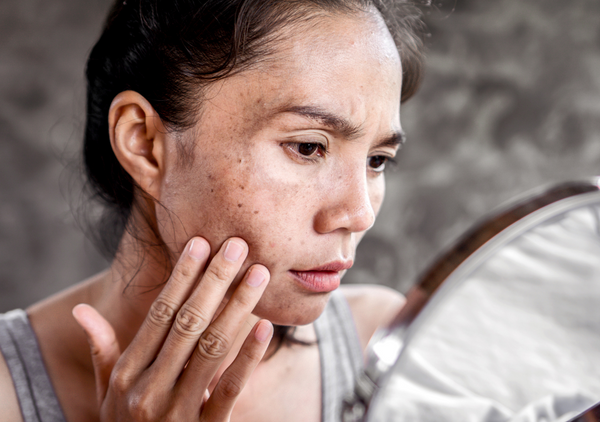
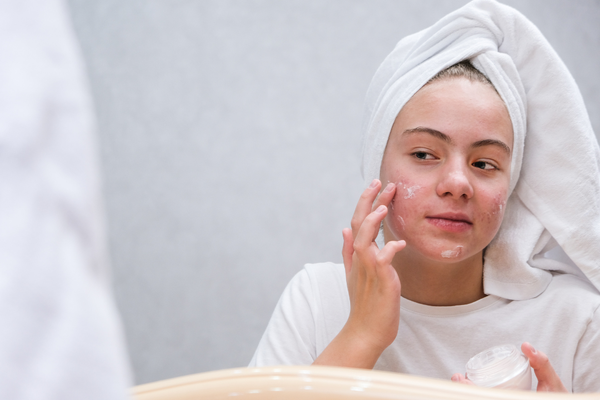
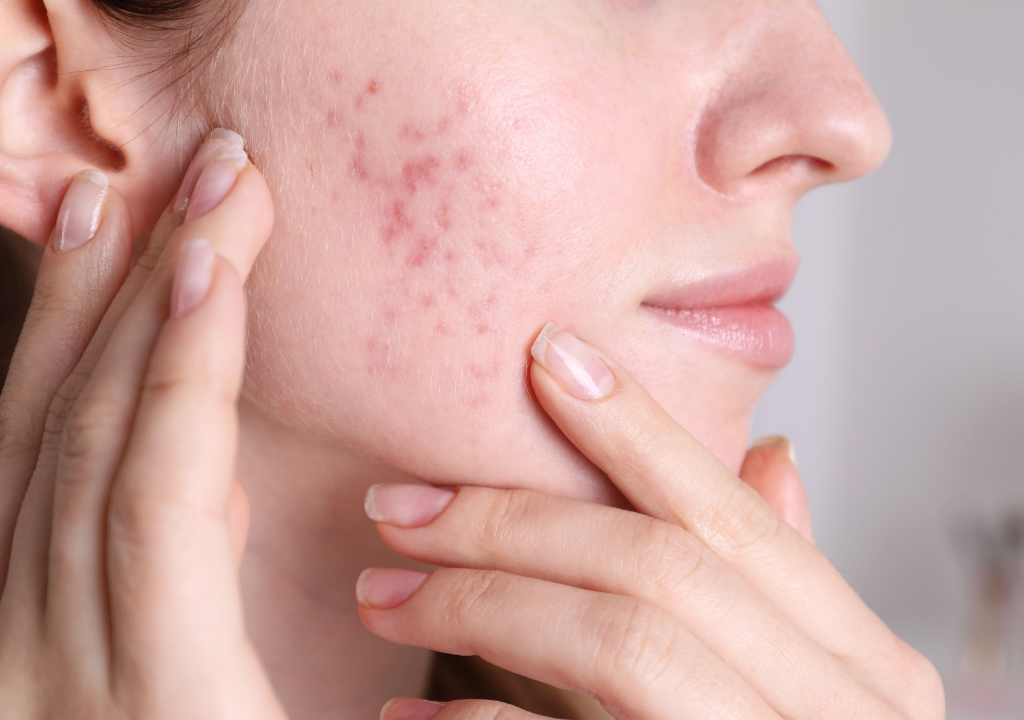
One of the most common side effects people notice after acne is discolouration on or around the area. These marks can appear red, pink, brown or slightly purple, depending on skin tone and how inflamed the original spot was. What often surprises people is that the skin still feels smooth. There’s no indentation, no raised area, just colour that doesn’t seem to shift.
These marks are known as post-inflammatory hyperpigmentation. They form when the skin produces extra pigment as part of its healing response. Once the blemish clears, that pigment doesn’t always fade straight away.
Some of our community may find these marks soften fairly quickly. Others, however, may notice they linger for months, sometimes longer than expected. They can look darker in sunlight, more noticeable under artificial lighting or more obvious once makeup has been on the skin for a while. That doesn’t necessarily mean the skin is getting worse, it’s often just how pigment behaves.
What usually helps most is consistency. Gentle brightening ingredients, calming formulations and daily sun protection tend to support the skin far better than constantly switching products. Progress can feel slow, especially if you’re checking your skin closely, but dark marks do tend to fade with time.
That said, knowing that dark marks are temporary doesn’t always make them feel any easier to live with. And we understand that.

When Acne Changes the Skin’s Texture
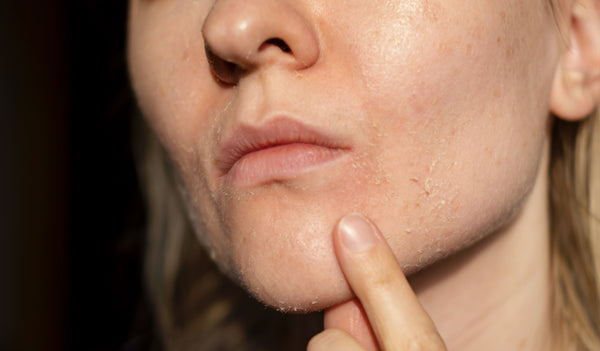
Textured acne scars feel different. Instead of colour alone, the skin itself looks uneven. This might show up as shallow dips, deeper indentations or areas that reflect light differently to the surrounding skin. Some people only notice this from certain angles, whereas you may become aware of it when foundation doesn’t sit the way it used to.
These scars form when acne disrupts collagen during healing. If your skin doesn’t rebuild collagen evenly, texture can remain. Because this happens below the surface, these marks don’t fade in the same way pigmentation does.
Texture can also feel more noticeable when your skin is dry or dehydrated as well. At times, it’s less about the scar itself and more about how supported your skin feels overall. That’s often why texture seems better some days and worse on others.
Skincare can still help here, but it tends to play a more supportive role. Certain products can encourage gradual renewal and help the skin look smoother over time, but they won’t remove deeper scars completely.
Retinoids are often mentioned in conversations about acne scarring, although they’re not always the right place to start. Some skin needs calming and strengthening first. Others respond well to slow, careful use over time. Peptides and reparative products can also be helpful, particularly if your skin is feeling slower to recover.
For more established or noticeable acne scars, professional treatments are often needed to see that more noticeable change. In those cases, skincare works best alongside those treatments rather than as a replacement.
Acne vs Dark Marks vs Hyperpigmentation
Although these terms are often used interchangeably, they describe different skin concerns. Acne refers to active breakouts caused by blocked pores, excess oil and inflammation. Dark marks, also known as post-acne marks, are flat areas of discolouration left behind after a spot heals – and as we mentioned earlier, they can appear red, brown or purple depending on skin tone.
Hyperpigmentation is a broader term used to describe areas of excess pigment triggered by inflammation, sun exposure or hormonal changes, and acne is a common cause. Understanding which concern you’re treating is key, as acne requires blemish-targeting ingredients, while dark marks and hyperpigmentation respond best to brightening and pigment-correcting formulas.
Why It Can Feel Like Nothing Works for Acne Scarring
A lot of frustration around post-acne marks comes from treating the wrong concern. Products designed to brighten pigmentation won’t change texture, and scar-focused treatments won’t always fade dark marks. When those lines blur, it’s easy to feel disappointed.
It’s also worth remembering that improvement isn’t always dramatic. Sometimes it shows up as makeup sitting more evenly. Sometimes it’s skin looking smoother in natural light. These changes can be easy to overlook, even though they still matter.
Some people can experience a mix of both colour and texture after acne, particularly if breakouts were persistent or inflamed. In these cases, routines usually work best when they’re steady rather than intense.
Protecting your skin during the day, supporting renewal at night and keeping the barrier healthy often proves more effective than trying to address everything at once. Your skin will be more inclined to respond better when it isn’t pushed too hard, instead just being gently supported with the right treatment and products.

So, Which Products Help to Treat Acne Scars and Dark Marks?
When it comes to treating acne scarring, it’s important to understand whether you’re dealing with textured scars, dark marks, or a combination of both. The good news is that the right skincare routine can make a visible difference over time, especially when products are chosen to target specific concerns.
Products to Help Treat Acne Scars
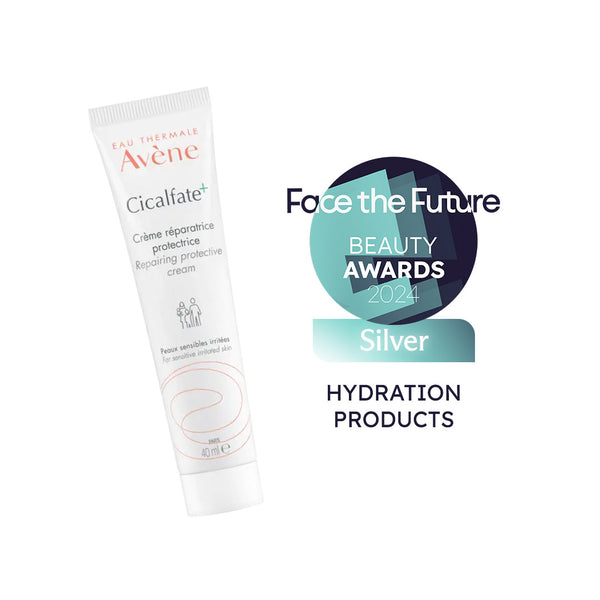
Avène Cicalfate + Restorative Protective Cream for Very Sensitive Skin: Helps to soothe, protect and support skin recovery following breakouts or treatments. Its calming, barrier-repairing formula makes it ideal for fragile or sensitised skin while acne scars heal.
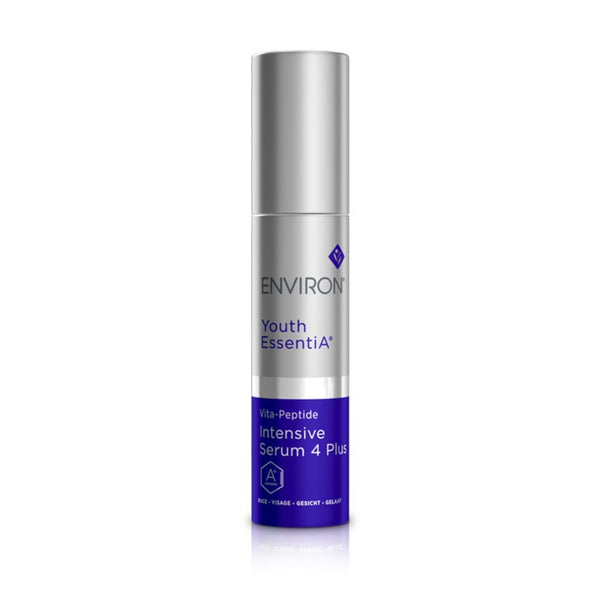
Environ Youth Essentials Vita-Peptide C-Quence Serum 4 PLUS: This is a high-strength vitamin A and vitamin C serum designed to support skin firmness and improve the appearance of uneven texture. It works gradually to help refine the look of textured acne scarring over time.
Medik8 Crystal Retinal 1: An entry-level, gentle-strength cream-serum, this is ideal for those who have sensitive skin or are looking to add a low strength but highly effective vitamin A serum to their routine.
Medik8 Crystal Retinal 20: An advanced vitamin A night serum that accelerates skin renewal. By encouraging cell turnover, it helps smooth the appearance of stubborn, textured acne scars and improve overall skin clarity.
Products to Treat Dark Marks
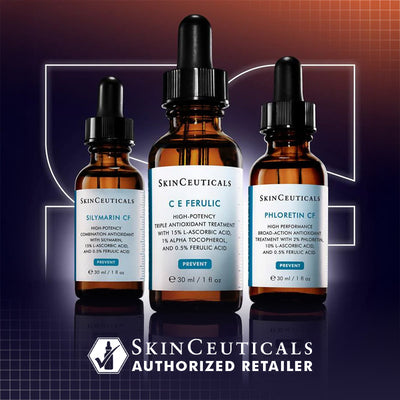
SkinCeuticals C E Ferulic: A powerful antioxidant serum that helps brighten the skin while protecting it from environmental damage. With consistent use, it supports a more even skin tone and helps reduce the appearance of post-acne dark marks.
SkinCeuticals Discolouration Defence Serum: Specifically formulated to target stubborn pigmentation and post-acne marks. Its lightweight formula helps visibly improve discolouration and restore a clearer, more even-looking complexion.
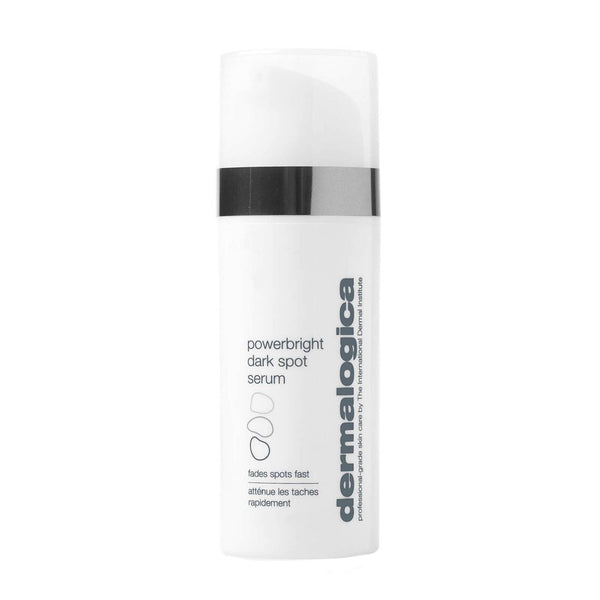
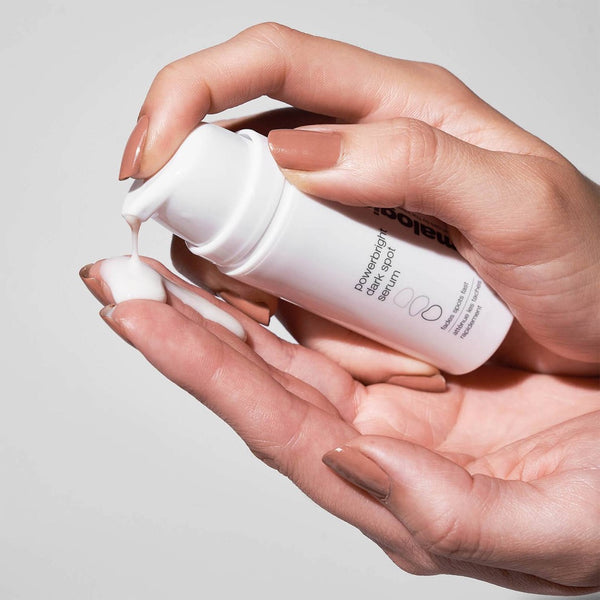
Dermalogica PowerBright Dark Spot Serum: This serum works to fade existing dark spots while helping to prevent new ones from forming. This targeted brightening serum helps boost luminosity and improve skin tone affected by acne-related pigmentation.
Final Thoughts
Dark marks and textured acne scars can look similar at first, but they reflect very different healing processes. Dark marks usually fade with time, protection and consistent care. Textured scars take longer and may need extra support, but improvement is still possible.
Understanding what your skin is doing doesn’t make everything disappear overnight, but it does make the process feel clearer — and often a little less overwhelming.
If you’re dealing with symptoms of acne scarring and are unsure where to start, our skin experts are here to help. Contact us to learn more about our treatments, or book a virtual consultation for personalised advice.
For bespoke guidance on the most suitable products for your needs, speak to our expert team on 0113 282 7744 or email shop@facethefuture.co.uk.
Products for Acne Scarring



Found this blog useful? Read our blog on acne-safe makeup.