Forehead Acne: Causes, Triggers and How to Treat It
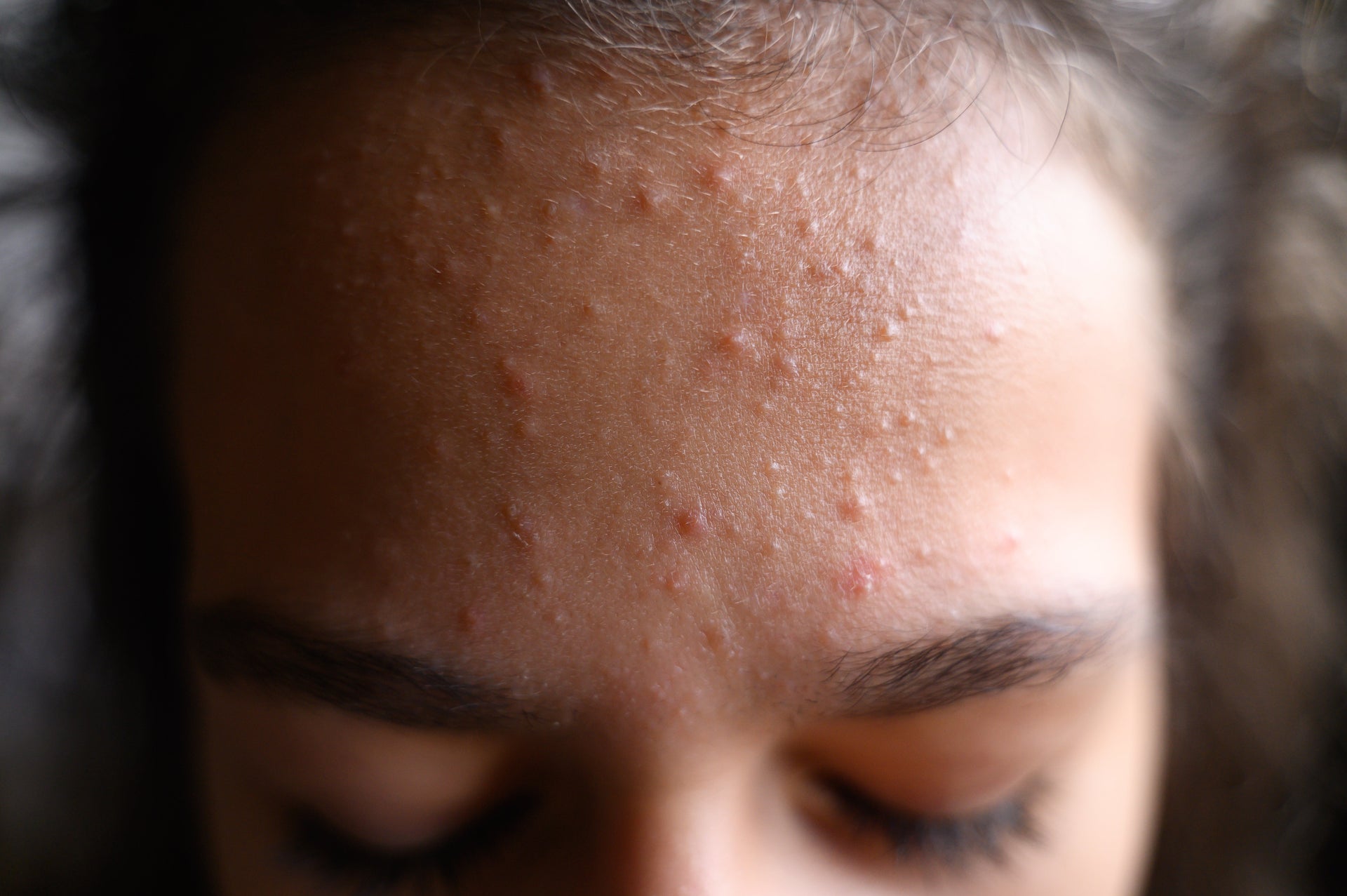
Forehead acne can appear for many reasons, from excess oil in the T-zone to hormonal changes, haircare, sweat and friction. As part of our Acne At Every Age campaign, we’re looking at...

Acne can appear anywhere across the face (and even the body), from the cheeks and chin to the jawline and forehead. But when breakouts keep returning to one area, it can sometimes help us understand what your skin may be responding to.
With forehead acne, there are a few things to consider. The forehead sits within the T-zone, an area where oil production can be higher, so excess sebum can contribute to congestion. But oil is only one part of the picture. Hair products, sweat, headwear, friction, hormonal changes and the type of breakout you’re experiencing can all influence why acne appears here.
As part of our Acne At Every Age campaign, we’re exploring how acne can change throughout life. Because the breakouts you experience as a teenager may not have the same triggers as those that appear in adulthood.
Why Do I Have Acne on My Forehead?
As part of the T-zone, the forehead can naturally produce more oil, which may mix with dead skin cells, sweat, SPF, makeup or haircare residue and lead to congestion.
But the reason behind your breakouts can also depend on your routine and lifestyle. For some, forehead breakouts may appear as small bumps or blackheads. For others, they may feel more inflamed, itchy or sit deeper beneath the skin.
Suzanne, Face the Future Skin Expert, explains:
“In teenagers, acne can often appear in a wave, starting on the forehead before moving down the face during puberty. In adults, forehead breakouts are often more linked to hair products, hats, helmets or anything that creates friction across the area.”

What Causes Acne on the Forehead?
1. Excess Oil in the T-Zone
The forehead sits within the T-zone, which is one of the areas of the face that produces more oil, especially if you have combination or oily skin. When excess oil mixes with dead skin cells or sweat, pores can become congested, leading to blackheads and inflamed breakouts.
This does not mean oil is bad. Your skin needs oil to stay comfortable and supported. But when there is too much of it, or when it is combined with other build-up on the skin, it can become one of the factors behind forehead acne.
2. Hair Products
Styling creams, oils, leave-in conditioners, masks, gels, hairspray and dry shampoo can all sit close to the hairline, where they may transfer onto the skin. If you have a fringe, wear your hair forward or use richer styling products, which can create a layer of product, oil and sweat across the forehead.
“In adults, forehead breakouts are often linked to hair products. Anything that sits close to the hairline can transfer onto the skin and contribute to congestion," Suzanne explains.
3. Hats, Helmets and Friction
Anything that repeatedly touches the forehead can play a part in breakouts. Suzanne tells us, “Beanies, caps, hair nets, helmets and anything that creates friction can be a trigger for forehead acne. When something sits against the skin regularly, it can trap sweat and oil, which may keep breakouts recurring in that area.”

This is especially relevant if you wear headwear for work, sport, cycling, running or the gym. Helmet liners, hat bands and headbands can also hold oil, sweat and product residue, which may then transfer back onto the skin each time they are worn.
4. Sweat and Exercise
Sweat itself is not the problem. The issue is often what happens when sweat mixes with oil, SPF, makeup or hair product residue and is left sitting on the skin.
If breakouts tend to appear after exercise, sweat and heat may be contributing to your forehead acne. A gentle cleanse after sweating can help reduce build-up without stripping the skin.
5. Hormonal Changes and Puberty
Hormonal changes can increase oil production, which is why acne is so common during puberty. Suzanne explains, "In teenagers, acne can often appear in a wave. It may start on the forehead during puberty, before moving further down the face as hormonal changes continue.”
What Causes Fungal Acne on the Forehead?
The term fungal acne is often used to describe small, uniform bumps linked to yeast overgrowth in the hair follicles. While it is not acne in the traditional sense, it can look very similar, which is why it is often mistaken for common congestion or blemishes.
It can be triggered by heat, sweat, heavy or occlusive products, rich hair oils and anything that creates a warm, moist environment around the hairline. It may appear as clusters of small bumps that look very similar to each other and can sometimes feel itchy.
How to Get Rid of Fungal Acne on the Forehead
Keeping the forehead and hairline clean is a helpful first step, especially after sweating. It can also be worth looking at the products you use close to the area. Heavy oils, rich leave-in treatments, styling creams and occlusive formulas may contribute to build-up around the hairline, particularly if they are not washed away thoroughly.
Because fungal acne can behave differently to traditional acne, it is worth speaking to a doctor or pharmacist for more personalised advice.
Forehead Acne Treatments: What Can Help?
The best treatment for forehead acne depends on what is triggering it. For some, the focus may be reducing oil and congestion. For others, it may be about changing haircare habits, reducing friction or keeping the area cleaner after sweat and headwear.
1. Cleanse After Exercise
A gentle cleanse can help remove any build-up or residue from your forehead without leaving the skin feeling stripped. This is especially important after exercise or when wearing hats or helmets.
2. Keep Anything That Touches Your Forehead Clean
For forehead acne linked to friction or product build-up, look beyond skincare alone. Hats, helmets, headbands, pillowcases, towels, fringes and even hair tools can all come into regular contact with the forehead.
Washing pillowcases regularly, cleaning helmet liners where possible and avoiding the repeated use of unwashed headbands or hats can all help reduce what is being transferred back onto the skin.
3. Use a Hypochlorous Spray to Refresh the Skin
A hypochlorous spray can be a useful step if your forehead breakouts are linked to sweat or friction.
Suzanne explains:
“A hypochlorous spray can be a useful step for acne-prone skin because it helps refresh the area without adding heavy layers. I often recommend it when breakouts are being triggered by sweat, friction or things sitting against the skin.”

4. Rethink Haircare Around the Hairline
If your breakouts are concentrated around the forehead or hairline, your haircare routine may be worth reviewing.
Try keeping richer products away from the hairline where possible and washing out product build-up properly. If you wear a fringe, it may also help to keep hair away from the forehead overnight.
5. Take a 360 Approach to Acne
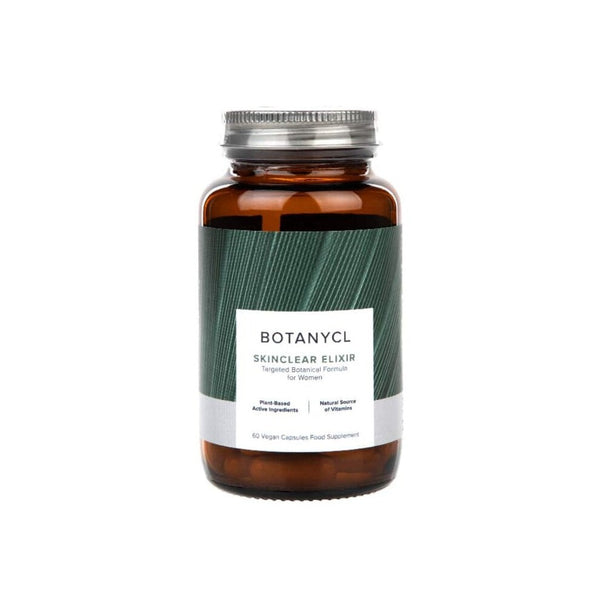
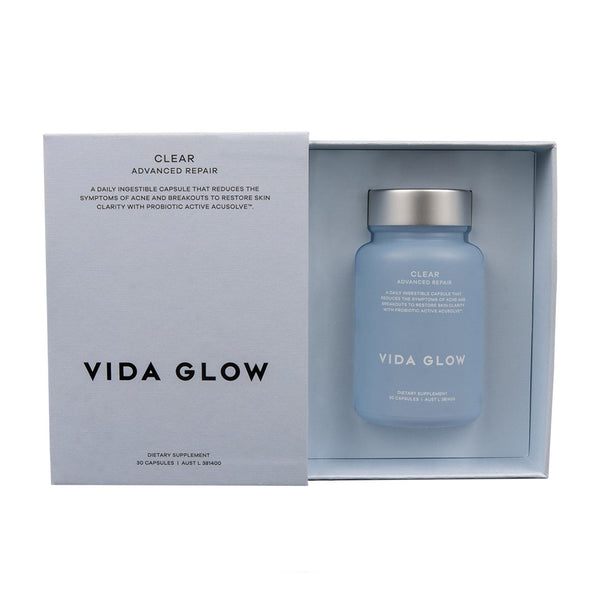
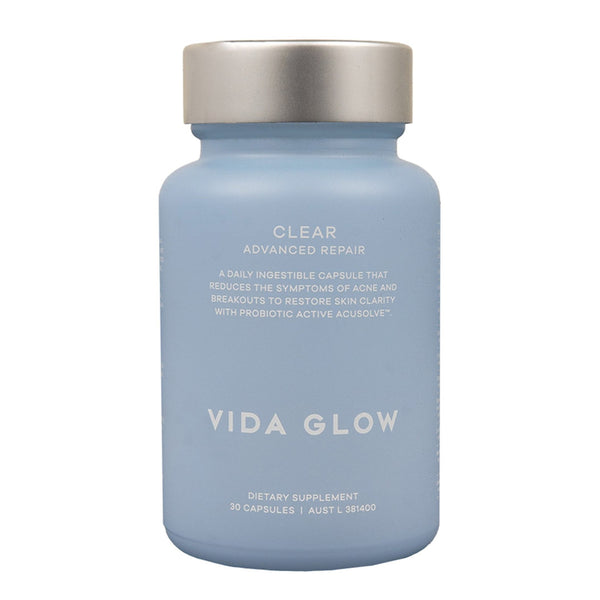
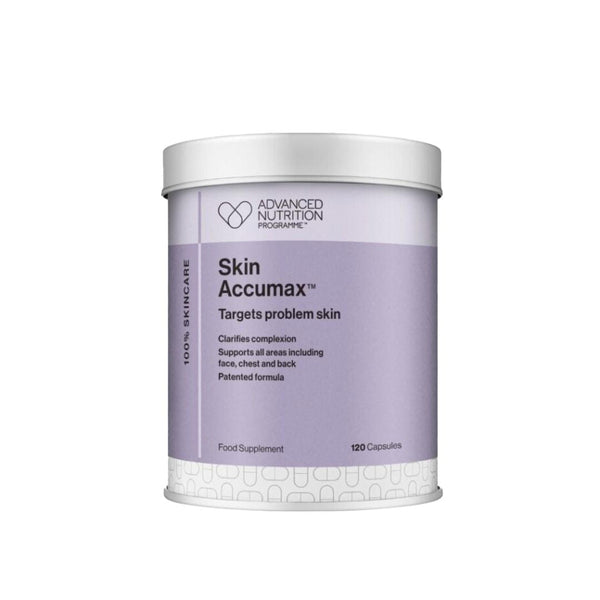
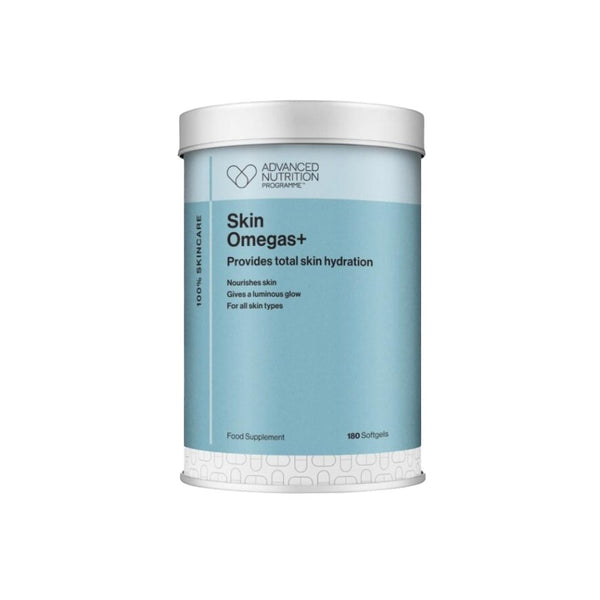
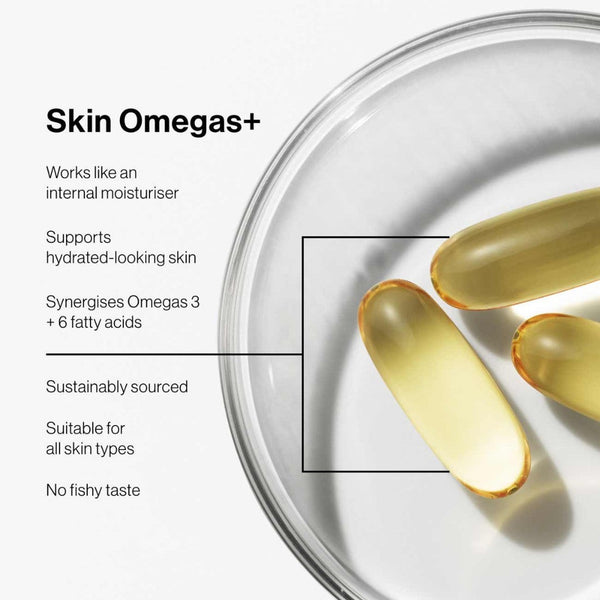
Suzanne tells us, “Acne is best approached from every angle. With forehead acne, we would look at topical skincare, but also haircare, hygiene, friction, lifestyle triggers and internal support. Acne supplements can be a helpful addition for those with hormonal triggers, especially when used alongside a consistent routine rather than instead of one.”
Acne supplements can sit within this more complete approach, helping to support skin from within.




When to Speak to a Skin Expert
Our skin experts can help you understand what your skin may need now, while recognising that this can change over time. Book a virtual consultation for personalised support with your routine.