Makeup & Acne: Does Makeup Cause Breakouts? How to Choose Acne-Safe Products
An honest, reassuring guide for anyone who wants clearer skin without giving up the joy of makeup.

Let’s start with something many people don’t say out loud: makeup can be comforting. Even on days when your skin feels unpredictable; red patches here, a new spot there – makeup can help you feel more like yourself. A little concealer, a wash of colour, a soft base that blurs what you don’t want on show…it’s part of how many of us get ready to face the day.
But if you’ve ever stopped mid-routine and wondered,
“Is this actually making my acne worse?”, you’re definitely not alone.
We hear variations of this question constantly from our community. Sometimes it’s asked in frustration — after a breakout that appears right where foundation sat the day before. Other times, quietly, as if embarrassed to admit you still want to wear makeup while trying to “fix” your skin.
The truth is much gentler than that:
Makeup can contribute to breakouts, yes. But most of the time, it’s how we use makeup – not the makeup itself – that causes problems.
This guide is here to help you understand the difference, choose products that genuinely support acne-prone skin, and still enjoy makeup if that’s something you love.
The Truth: Makeup Doesn’t Automatically Cause Acne - But Certain Conditions Make it More Likely
This is where things get nuanced.
Dermatologists often point out that makeup alone doesn’t “cause” acne in the same way that hormones, genetics or inflammation do. Acne is a medical skin condition. Makeup is not the villain.
But certain makeup habits, ingredients, and formulas absolutely can encourage breakouts — especially if your skin leans acne-prone to begin with.
Over the years, we’ve noticed a few patterns. Breakouts tend to appear more frequently when:
- Products contain pore-clogging oils or waxes
- Rushes aren’t washed regularly
- Makeup isn’t removed thoroughly
- Heavy layers sit on the skin all day
- Or, when the skin barrier is already overwhelmed.
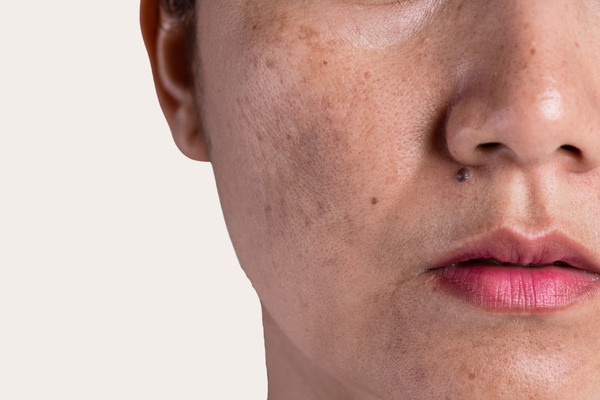
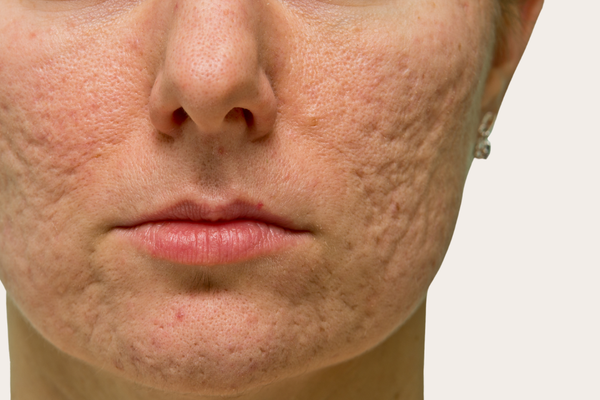
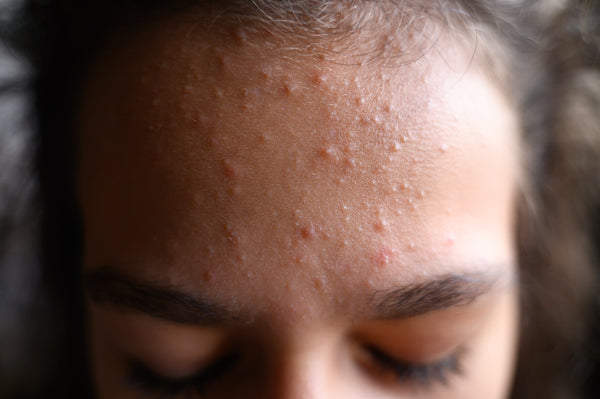
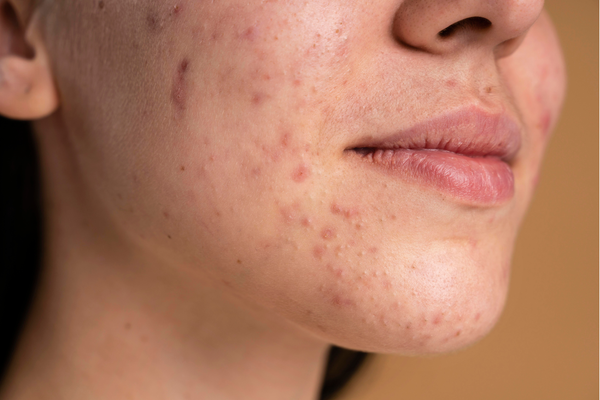
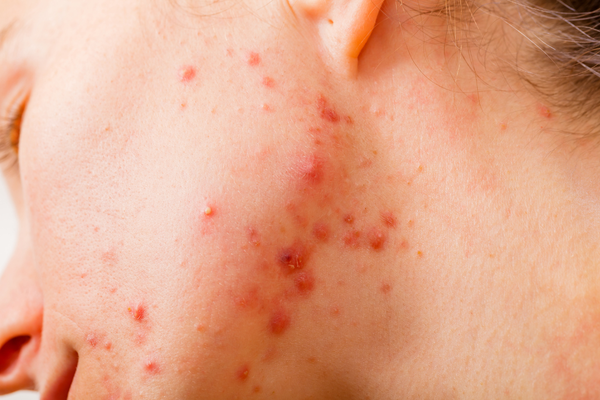
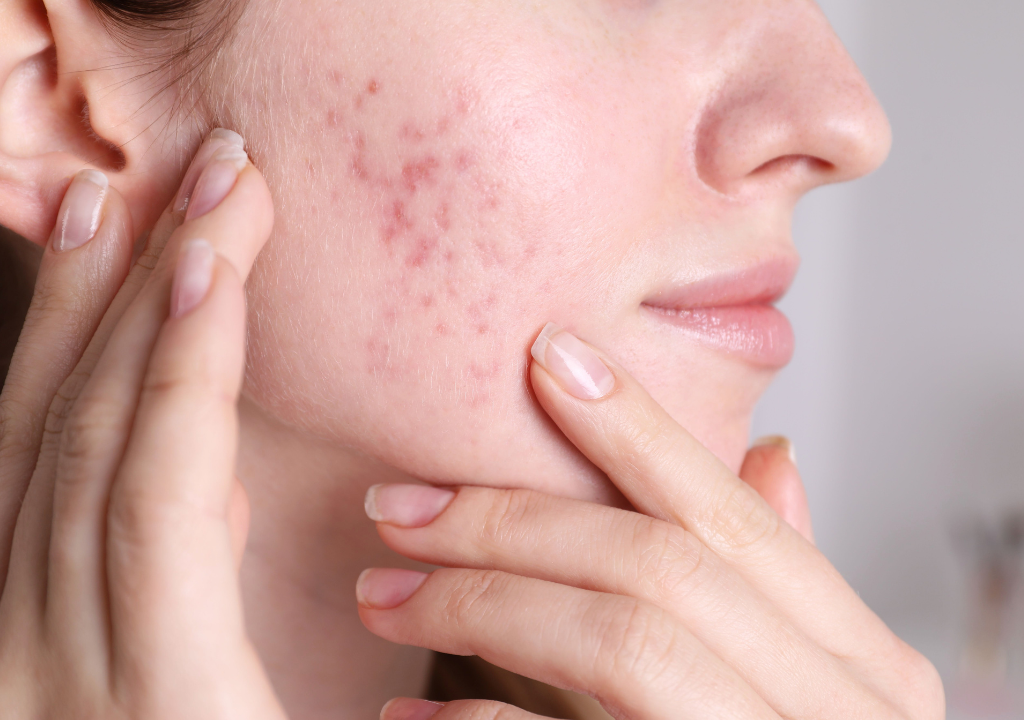
This type of breakout is sometimes called acne cosmetica, which is a kind of persistent dotted congestion that appears where makeup is placed. They’re the tiny bumps on the cheeks, the chin, sometimes near the jawline, and they don’t always become angry red spots. They just linger.
If that sounds familiar, you’re in the right place.
How Does Makeup Cause Acne Breakouts? (And Why it Sometimes Doesn’t)
Acne is complex. Two people can use the exact same makeup product, and one breaks out while the other doesn’t. This is because acne-prone skin is simply more reactive – and often more sensitive beneath the surface than it appears.
Here are the most common reasons makeup can contribute to breakouts:
1. Comedogenic Ingredients
“Comedogenic” means “pore-clogging,” but it’s not always listed on the label. Some ingredients sound hydrating and lovely – but for acne-prone skin, they can trap oil and block pores.
Typical culprits include:
- Heavy oils (coconut oil is one of the worst offenders)
- Lanolin
- Isopropyl myristate
- Thick butters
- Certain waxes
- Some silicones when layered thickly
Not all oils or silicones are bad, and many are completely fine. It’s the combination, concentration and how they interact with your skin that matters.
But if you’re breaking out consistently after using the same foundation or base, the formula might be too rich for your pores.
2. Dirty Tools: Bacteria You Didn't Ask For
This one often surprises people.
Your brushes and sponges collect oil, dead skin, leftover makeup and bacteria. When you use them again, you press that straight back onto the skin – often into areas already prone to congestion.
If you’ve ever seen breakouts appear in the shape of brush strokes or sponge dabs, this could be why.
A lot of us clean our homes more often than we clean our makeup tools. It’s human. Life is busy. But acne-prone skin really notices the difference.
3. Heavy, Occlusive Layers That Don’t Let Skin Breathe
We’ve all had days where we’re tempted to build more and more coverage – primer, foundation, multiple concealers, powder, setting spray. But the more layers you put between your skin and the outside world, the more those layers trap sweat, oil and heat.
And then any skin that’s trying to heal or regulate itself underneath all of that often ends up irritated or blocked.
Makeup doesn’t need to be heavy to look polished, though. A light, breathable base usually looks fresher anyway, and your skin will thank you as well.
4. Not Removing Makeup Properly
Possibly the biggest cause of makeup-related breakouts.
Sleeping in makeup doesn’t just block pores, it alters the skin’s natural overnight repair process. Even if you don’t wear a lot, leftover makeup mixed with oil, pollution and sunscreen forms a film that’s difficult for acne-prone skin to navigate.
Double cleansing in the evening is the quiet, steady hero of clearer skin.
5. When Your Skin Barrier is Compromised
If your barrier is fragile (dry, tight, irritated, sensitised), makeup can start to feel like “too much,” even if you’ve used the same products for years.
When the skin barrier is stressed:
- Pores clog more easily
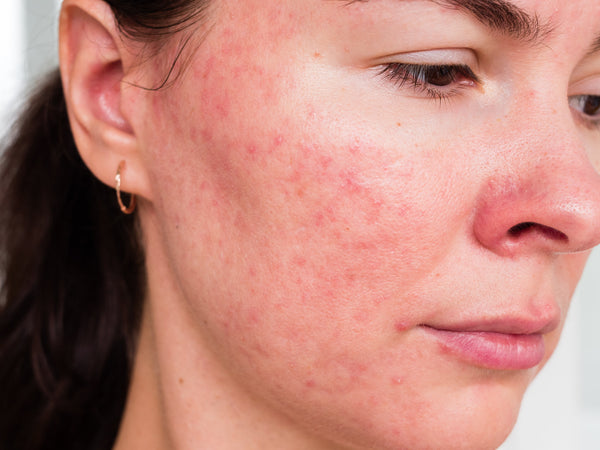
- Redness becomes more reactive
- The makeup itself can sting or settle into tiny dry patches
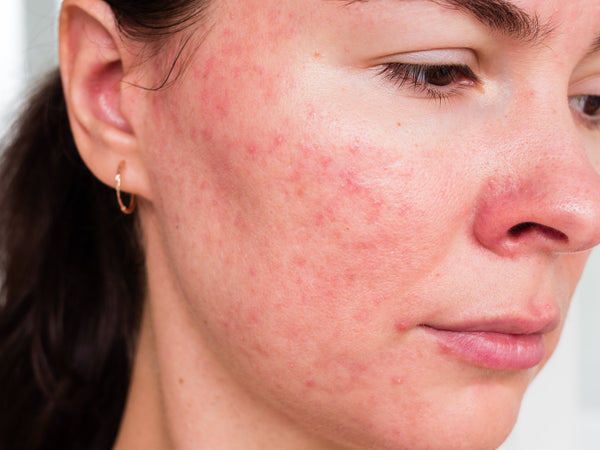
A compromised barrier often gets misdiagnosed as “acne getting worse,” when it’s really irritation sitting on top of acne. Repairing your barrier almost always improves your relationship with makeup.

How to Wear Makeup Safely When You Have Acne (Without Feeling Restricted)
Most of us don’t want to give up makeup entirely, and the good news is, you don’t need to. You just need a kinder approach.
Here’s how we guide our clients who want to keep makeup in their routine:
1. Choose Acne-Friendly Formulas
Look for wording such as:
- “Non-comedogenic”
- “Oil-free”
- “Won’t clog pores”
- "Non-acnegenic”
- “Dermatologist tested”
- “Suitable for sensitive skin”
These aren’t always perfect indicators, but they’re a much better starting point.
Ingredients that acne-prone skin usually loves:
- Zinc oxide (mineral makeup)
- Silica
- Hyaluronic acid
- Niacinamide
- Squalane (lightweight and non-comedogenic)
- Ceramides
- Dimethicone in moderate amounts (helps smooth texture without suffocating pores)
If you ever feel uncertain, patch-testing on your jawline can be surprisingly revealing.
2. Keep Makeup Layers Light and Strategic
- This doesn’t mean you can’t achieve coverage – you absolutely can. Here’s a few things we would recommend:
- Use a thin layer of foundation and spot-conceal instead of relying on a very full-coverage base.
- Try skin tints or mineral powders on calmer days.
- Let each layer settle before applying the next, as rushing can lead to over-application.
- If you’re treating acne with actives, avoid very heavy primers or thick, silicone-rich pore fillers; they often work against your treatment.
Your makeup will look more skin-like and natural, something many of our customers prefer too.
3. Clean Your Makeup Tools More Often Than Feels Necessary
Here’s a simple rhythm that works for a lot of acne-prone skin:
- Brushes that touch liquid products: wash every 2-3 uses.
- Sponges: clean after every use.
- Powder brushes: once a week.
It sounds like a chore, but your skin will show the difference faster than you expect.
4. Double Cleanse Every Night (Even If You’re Tired)
The first cleanse removes makeup, SPF and surface oils. The second cleanse actually cleans the skin underneath.
If you skip the first step, your second cleanser could end up being wasted on the wrong layer.
Double cleansing doesn’t need to be expensive or complicated, just consistent.
5. Support Your Barrier as Much as You Support Your Coverage
Your skin barrier is the quiet backbone of clear, healthy skin. If it’s strong, makeup tends to sit better, breakouts heal more quickly and reactiveness settles down.
Supportive ingredients include:
- Ceramides
- Peptides
- Panthenol
- Centella asiatica
- Niacinamide
- Oat complex
- Lightweight moisturisers that calm without suffocating
These ingredients help keep your skin feeling grounded even when you’re using active treatments like retinoids or exfoliants.
Here are two of our acne-friendly makeup products:
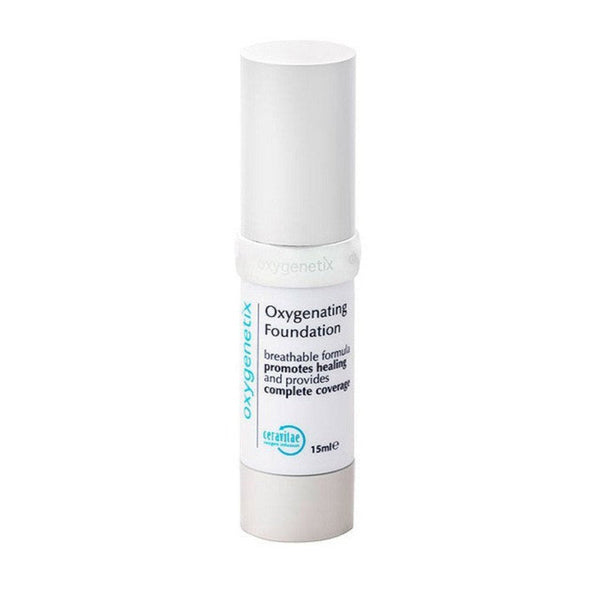
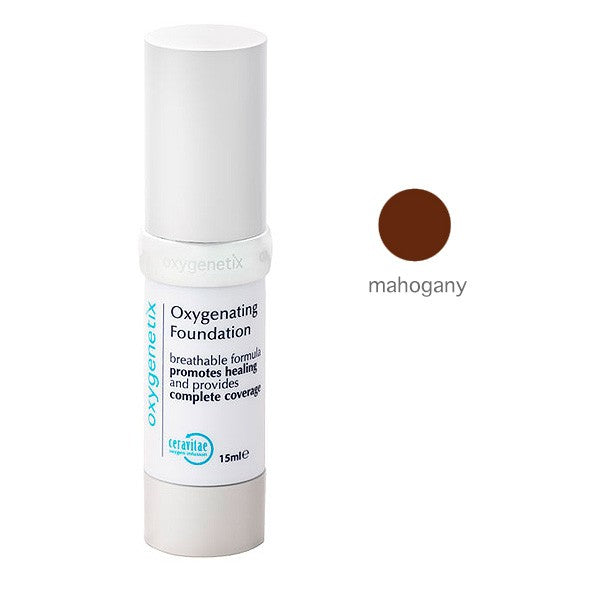
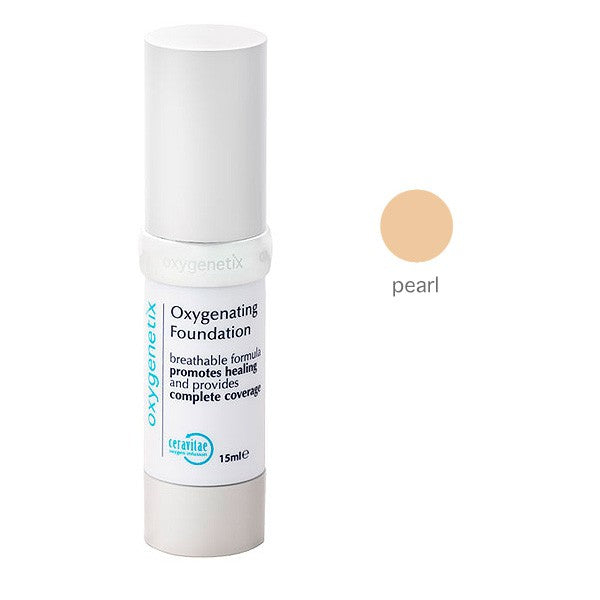
1. Oxygenetix Oxygenating Foundation – Breathable, non-comedogenic, and infused with aloe vera. Ideal for acne-prone or post-procedure skin. Offers buildable coverage without clogging pores.
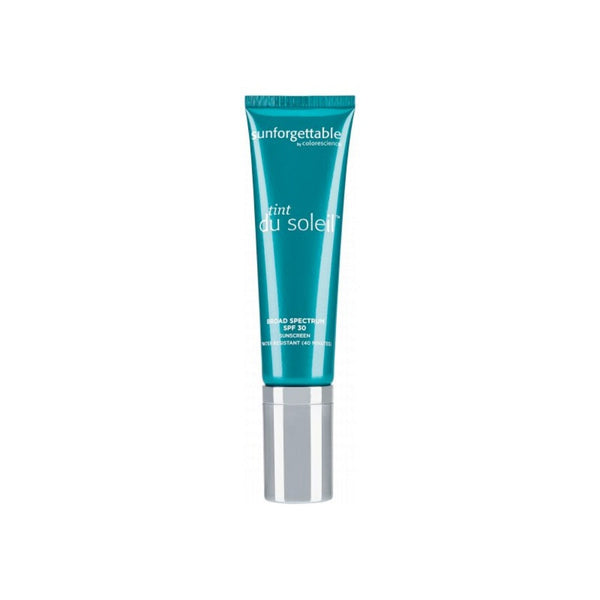
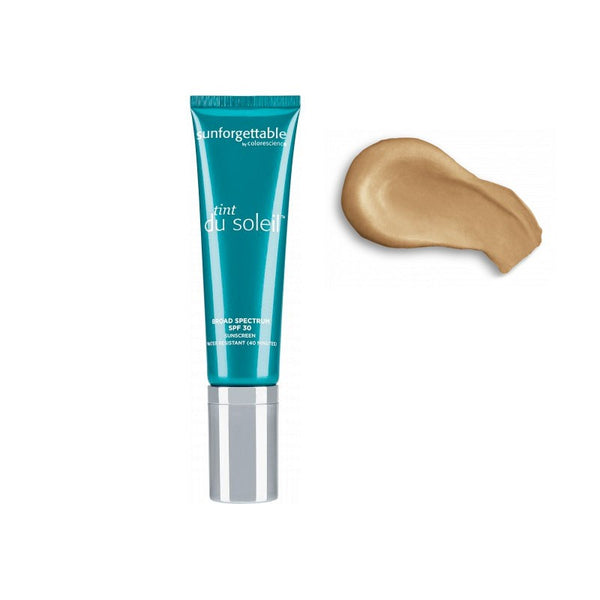
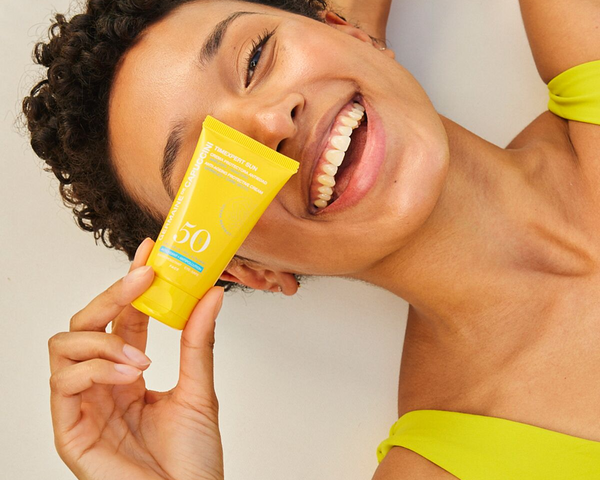
2. Colorescience Tint du Soleil SPF 30 – Lightweight tinted moisturiser with non-comedogenic ingredients and mineral SPF. Great for sensitive or acne-prone skin, with sheer coverage and added sun protection.
Both are designed to be gentle, healing, and non-irritating, making them perfect for breakout-prone complexions.
Makeup Mistakes That Commonly Trigger Acne (Even When Your Routine Looks ‘Perfect’)
Here are the little things we sometimes see. No judgement, just gentle awareness:
- Using expired makeup (most of us keep products far too long)
- Reapplying powder multiple times a day – creating thick, occlusive layers
- Skipping skincare because you’re rushing to apply makeup
- Using makeup wipes as your only cleansing step
- Applying base makeup immediately after moisturiser without letting it settle
- Wearing very heavy base products during a heatwave or intense exercise
- Sharing makeup with someone else
You don’t need to fix everything at once. Even improving one or two of these habits can make a noticeable difference.
Our Simple “Acne-Safe Makeup” Checklist
Before you put on makeup, ask yourself:
- Is my skin calm today, or is it irritated?
(If it’s irritated, keep things light, or skip foundation entirely.)
- Are my tools clean?
- Do I really need this many layers?
- Have I patched tested this product before applying it all over?
- Do I have time tonight to properly double cleanse?
This isn’t a test. Just our gentle way to stay mindful and keep best practices in mind to keep your skin looking and feeling its best.
Makeup Product Guidance: What to Look For to Avoid Acne Breakouts
Here’s some simple guidance you can use anywhere, no matter the brand:
Foundations and Bases
Look for:
- Mineral formulas
- Tinted moisturisers
- Light gel-based formulas
- "Non-comedogenic” labels
Avoid:
- Thick stick foundations
- Oil-heavy glow formulas
- Very occlusive cream compacts
Primers
Look for:
- Hydrating, lightweight formulas
- Smoothing gels that don’t feel waxy
Avoid:
- Thick, pore-filling silicone primers layered under heavy makeup
They often trap sweat and excess oil.
Concealers
Look for:
- Buildable formulas; dab, don’t smear
- Liquid concealers rather than dense creams
Avoid:
- Extremely thick pot concealers used all over the face
Setting Powders / Sprays
Look for:
- Light translucent powders, used sparingly
- Breathable finishing sprays
Avoid:
- Heavy baking techniques
- Repeated reapplication throughout the day
Final Thoughts: You Don’t Have to Choose Between Makeup and Clearer Skin
There’s no rule saying you must stop wearing makeup to treat acne. What your skin needs is thoughtful choices, gentle habits and a bit more awareness about what goes onto your face and how it comes off.
Makeup can be fun, expressive, comforting, and entirely compatible with clearer skin when used well.
If you’re unsure where to begin, or you want help understanding which of your makeup products might be contributing to your breakouts, our team is always here to support you with clarity, kindness and a tailored eye.
Your skin doesn’t need perfection. It just consistency, care and a routine that feels like it belongs to you. Contact us today to see how we can support your skin.
Shop The Article