AU
AU
 AT
AT
 BE
BE
 BG
BG
 CA
CA
 HR
HR
 CY
CY
 CZ
CZ
 DK
DK
 EE
EE
 FI
FI
 FR
FR
 DE
DE
 GR
GR
 GG
GG
 HU
HU
 IE
IE
 IM
IM
 IT
IT
 JE
JE
 LV
LV
 LT
LT
 LU
LU
 MT
MT
 NL
NL
 NZ
NZ
 PL
PL
 PT
PT
 RO
RO
 SK
SK
 SI
SI
 ES
ES
 SE
SE
 US
US
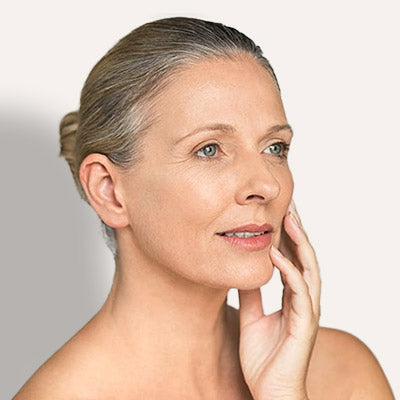
Perimenopause Symptoms: What Changes First & How to Support Your Body
Here, we look at some common perimenopause symptoms, what you may notice first and how to support your body whilst you go through these changes.

Perimenopause is something many women only recognise once they’re already in it.
It rarely starts with one obvious symptom. Instead, it tends to show up through a series of small changes that don’t immediately feel connected. Sleep becomes lighter. Periods start doing their own thing. Skin reacts differently to products that never used to be a problem.
At first, some of our community put this down to stress or a busy stage of life. And of course that makes sense, because perimenopause doesn’t come with a clear starting point.
Below, we’ll look at some of the common perimenopause symptoms, what you may notice first and how to support your body whilst you go through these changes.
What Perimenopause Actually Is
Perimenopause is the stage before menopause, when hormone levels – particularly your oestrogen and progesterone levels – begin to fluctuate rather than follow a more predictable pattern.
This phase can begin earlier than expected. For some women, it can start in your late 30s, whereas for others, it’s closer to your mid-40s. There isn’t a single timeline that applies to everyone, and that’s important to remember.
Menopause itself is only reached once you’ve gone 12 months without a period, as long as there is no other physiological or pathological cause at hand. Everything before that sits under the perimenopause umbrella, and for many women, this is when any changes feel most noticeable.
Hormones during this time don’t steadily decline either. They rise and fall, sometimes dramatically, sometimes quietly. That unpredictability explains a lot, and it causes a lot of stress and uncertainty.

Early Changes Many Women Notice During Perimenopause
For many women, the first signs of perimenopause are easy to miss.
Periods often change before anything else. Cycles may shorten or lengthen, bleeding can feel heavier or lighter, and some months may be skipped altogether. Ovulation becomes less consistent during this stage, even if periods still appear regular enough on the surface.
Sleep is another early clue. Falling asleep isn’t always the issue, whereas staying asleep is. Waking in the early hours and feeling oddly alert is something we hear about a lot from our community.
Mood changes can creep in too. Anxiety may feel sharper than it used to. Emotional resilience can feel lower. Things that once felt manageable suddenly take more effort, and we understand how scary that feels.
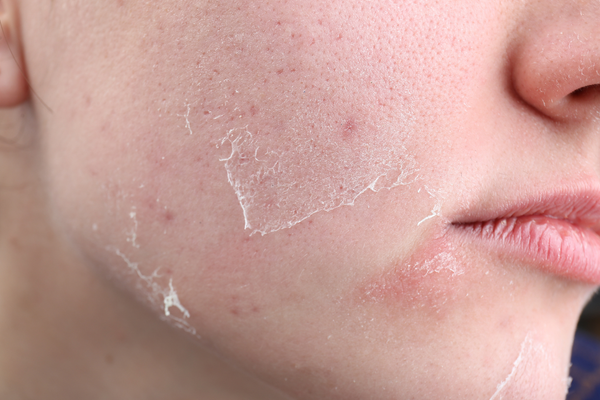
To add to this, you may have skin concerns and notice your hair change around the same time. Skin may feel drier or more sensitive and your hair can feel finer or flatter than before. On their own, these shifts might not seem significant. Together, they feel unsettling at best.
How Perimenopause Symptoms Can Shift Over Time
As perimenopause progresses, other symptoms may appear – although not everyone experiences the same combination of them.
Hot flushes and night sweats are well known, but they don’t affect everyone. Energy levels can fluctuate more noticeably, with good days followed by days that feel unexpectedly draining.
Brain fog is another common experience. Losing words mid-sentence, forgetting why you walked into a room or feeling mentally slower than usual can be frustrating, especially if you’re used to feeling sharp.
Weight distribution can change too. This often happens without any major lifestyle changes, which is usually where frustration and confusion sets in. Our team at Face The Future understand how this feels, and why tailored support for each individual member of our community is so important.
Why Perimenopause Symptoms Can Feel So Inconsistent
One of the defining features of perimenopause is inconsistency. As in any walk of life, inconsistency is so frustrating, but with perimenopause, frustration often becomes something far more unsettling.
Symptoms don’t arrive in a neat order. They overlap, fade, return and sometimes disappear for months at a time. Hormones fluctuate during this phase rather than decline smoothly, which is why things can feel unpredictable.
This is also why blood tests don’t always provide clear answers. A single reading doesn’t capture what’s happening over time.
For most women, it’s patterns – not isolated symptoms – that eventually tell the full story.

Supporting Your Body Through Perimenopause
Supporting yourself during perimenopause doesn’t usually mean doing more. Often, it means responding differently.
Stress tolerance often shifts during this phase. Situations that once felt manageable may now feel draining. This isn’t a failure at all, it’s a change in sensitivity.
Eating regularly can make a real difference. Blood sugar dips tend to amplify hormonal symptoms, so meals that include protein, fibre and healthy fats often support steadier energy and mood.
Movement still matters, but intensity may need adjusting. Walking, strength training, yoga or Pilates often feel more supportive than pushing through high-intensity workouts that leave you depleted.
Sleep support matters too, even if perfect sleep feels unrealistic. Small changes – whether it’s earlier wind-down times or gentler evenings can also help over time.
Common Skin Changes During Perimenopause
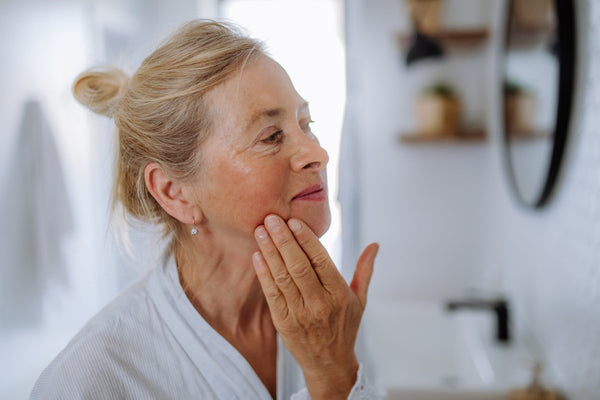
Skin is often one of the first places where you may notice perimenopausal changes.
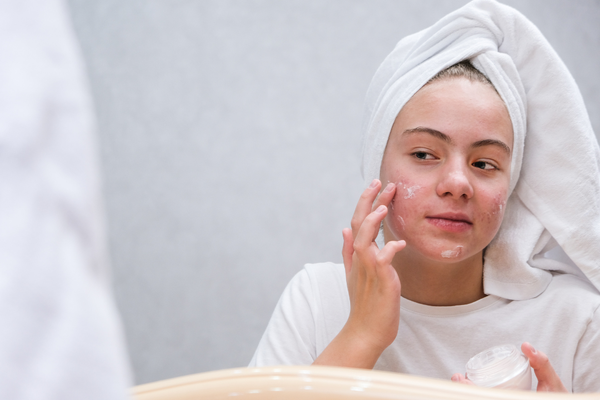
Oestrogen supports collagen production, hydration and barrier function. As these levels fluctuate, your skin can become drier, more reactive and slower to heal. Products that once worked well may suddenly feel irritating.
At this stage, your skin often responds better to support rather than stimulation. Strengthening the barrier, prioritising hydration and being more selective with actives can make a noticeable difference.
Sometimes it’s not about adding more – it’s about doing less, but just doing it more consistently. We have written a detailed guide, ‘The Top 5 Skincare Products to Use During Menopause’ to give you more information and support.
Supplements and Additional Support for Perimenopause
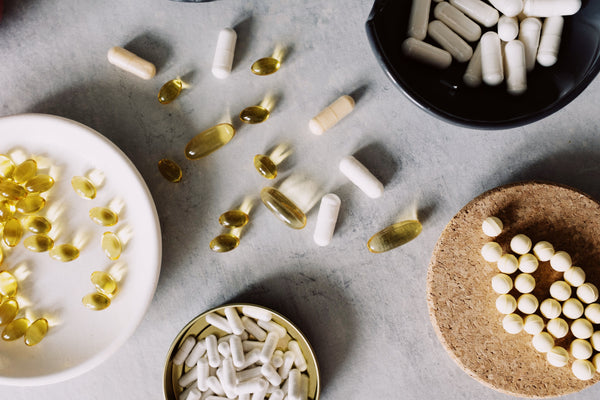
Some of our customers choose to introduce supplements during perimenopause, particularly if symptoms begin to affect their day-to-day life.
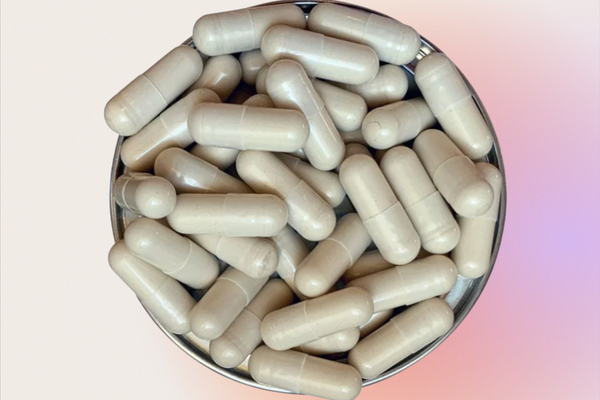
Omega-3 fatty acids, vitamin D and magnesium are commonly used to support general wellbeing. Botanical supplements may also help some people, depending on individual needs.
These tend to work best alongside other forms of support rather than as a single solution.

What Are the Best Products to Treat Perimenopause Symptoms?
When it comes to the best products to help support you during perimenopause, our expert team are also on hand to give the very best guidance you’ll need. You don’t need to minimise what you’re experiencing, and you don’t need to work it out alone.
In terms of some of the best skincare products for each menopause symptom, we have the following:
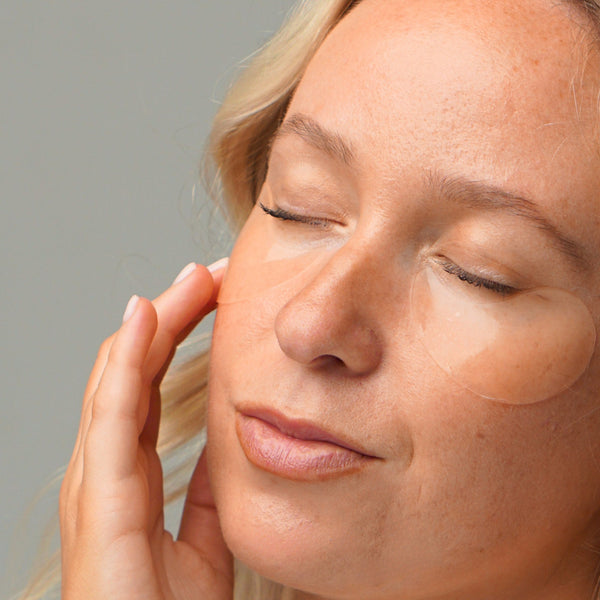
Hot Flashes: The iS Clinical Hydra-Cool provides immediate cooling for your skin. This lightweight serum is also formulated with vitamin B and hyaluronic acid to help skin health and hydration.
Dry Skin: The Avène Hyaluron Activ B3 Multi-Intensive Night Cream a great moisturiser for menopausal skin. It features niacinamide and its rich, hydrating texture locks in moisture overnight and stimulates the skin’s renewal.
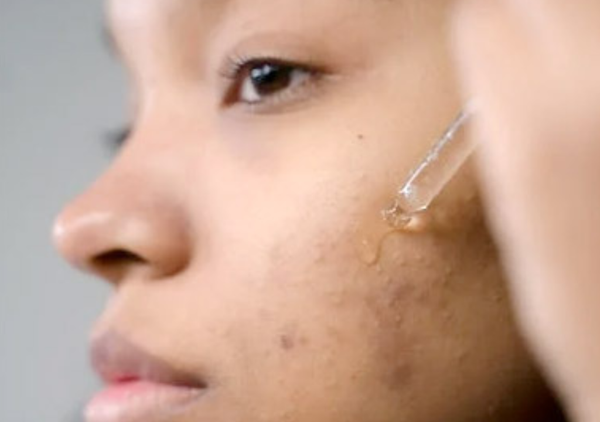
Acne: If you’re also struggling with acne, the Allies of Skin Azelaic & Kojic Advanced Clarifying Serum gently resurfaces the skin to reduce the appearance of breakouts, redness or blackheads.
Hyperpigmentation: A great lightweight serum for treating hyperpigmentation would be a serum such as the Eucerin Anti-Pigment Skin Perfecting Serum, because it gets to the roots of this symptom with ingredients like hyaluronic acid and glycerine to add hydration and nourishment.
Final Thoughts
Perimenopause isn’t something to rush through. It’s a transition, and one that often asks for more awareness, flexibility and patience than before. For many women, it becomes a period of recalibration rather than decline.
Your body isn’t working against you. It’s changing, and learning how to support those changes can make this stage feel far more manageable.
If you’re dealing with symptoms of perimenopause or menopause and are unsure where to start, our experts are here to help. Contact us to learn more about our treatments, or book a virtual consultation for personalised advice.
For bespoke guidance on the most suitable products for your needs, speak to our expert team on 0113 282 7744 or email shop@facethefuture.co.uk.