What Are the Best Hormonal Acne Supplements?
What supplements help with hormonal acne? Our Skin Expert Suzanne explores zinc, omega-3s and key vitamins, plus how to recognise hormonal breakouts and support your skin from the inside out.

Hormonal acne can be persistent, especially when breakouts keep returning despite a consistent skincare routine. Our Skin Expert Suzanne explains which supplements can support acne-prone skin from within, plus how to recognise hormonal breakouts and care for your skin alongside supplementation.

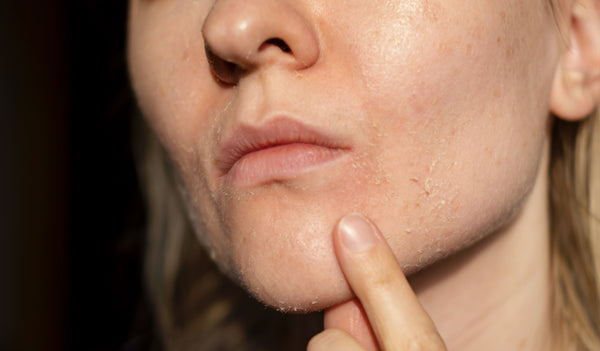
When breakouts seem to follow a pattern, appear around the same time each month or keep returning despite your best efforts, hormones may be part of the picture. While topical skincare can help manage blemishes, hormonal acne often benefits from looking at the skin more holistically.
What Causes Hormonal Acne?
Hormonal fluctuations can influence how much oil your skin produces and how prone it is to congestion and inflammation. This is why hormonal breakouts may appear during...
- Puberty
- Different times of your menstrual cycle
- Pregnancy
- Perimenopause
- Menopause
What Supplements Help With Hormonal Acne?
If you’re considering hormonal acne supplements, it’s important to think of them as one part of a wider routine rather than a standalone treatment. Suzanne explains:
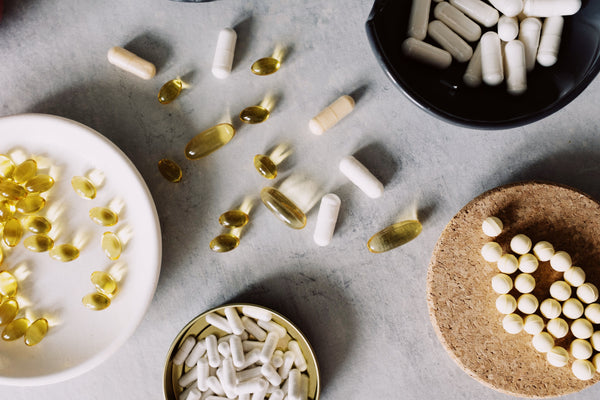
“When it comes to hormonal acne, supplements can support the skin from within. Ingredients such as zinc, omega-3s and vitamin A, C and E can be useful additions to a well-rounded approach, alongside a targeted skincare routine.”
Some of the nutrients you may come across when looking for supplements to support acne-prone skin include:
- Zinc: supports the maintenance of normal skin and normal immune function.
- Omega-3s: an important part of a balanced diet and commonly included within wider skin and wellbeing routines.
- Vitamin A: contributes to the maintenance of normal skin.
- Vitamin C: supports normal collagen formation and helps protect cells from oxidative stress.
- Vitamin E: contributes to the protection of cells from oxidative stress.
Your individual nutritional needs should always come first, particularly if you’re already taking other supplements or medication.
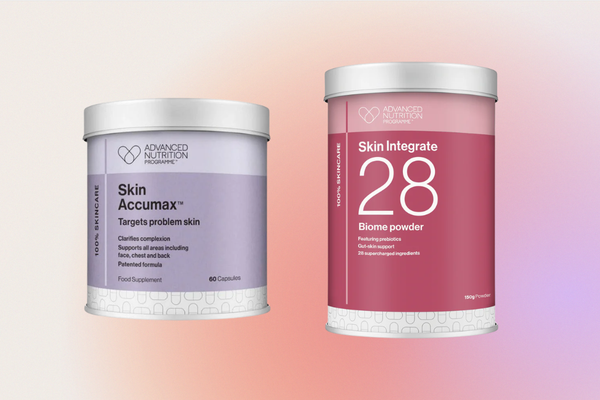
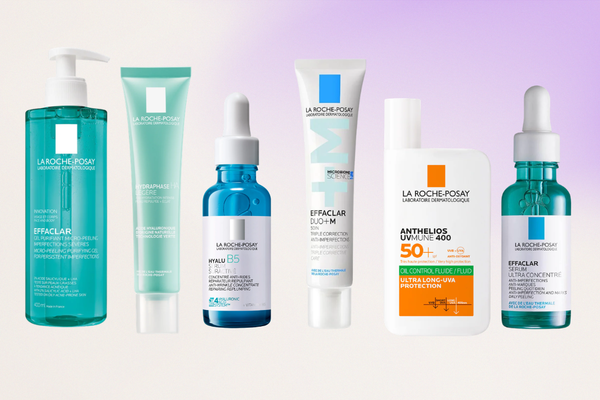
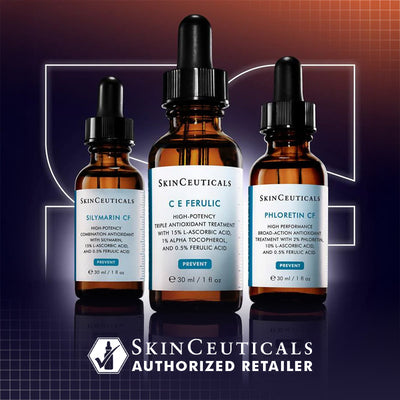
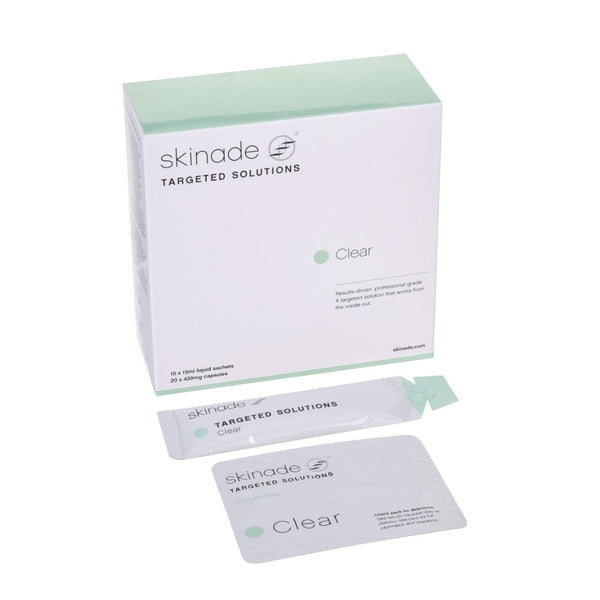
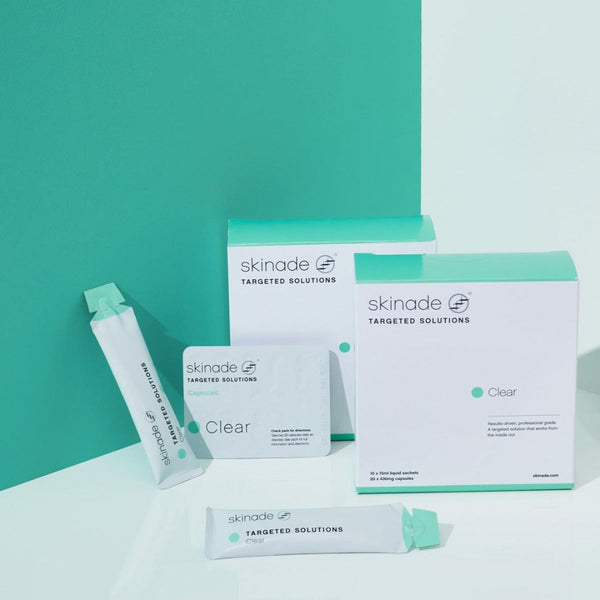
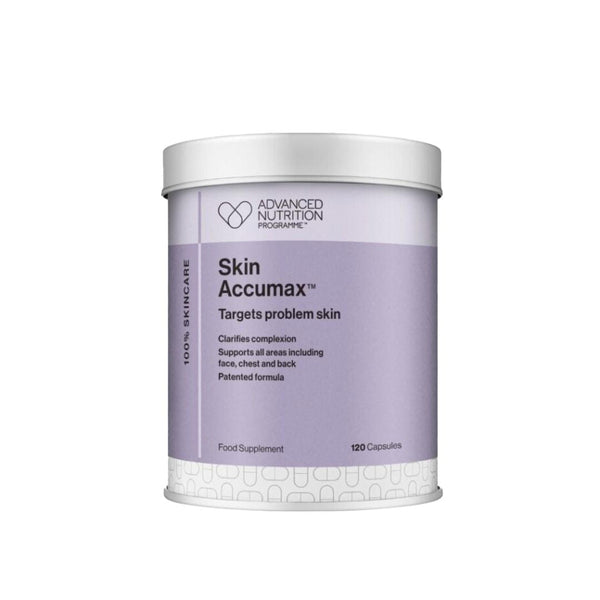
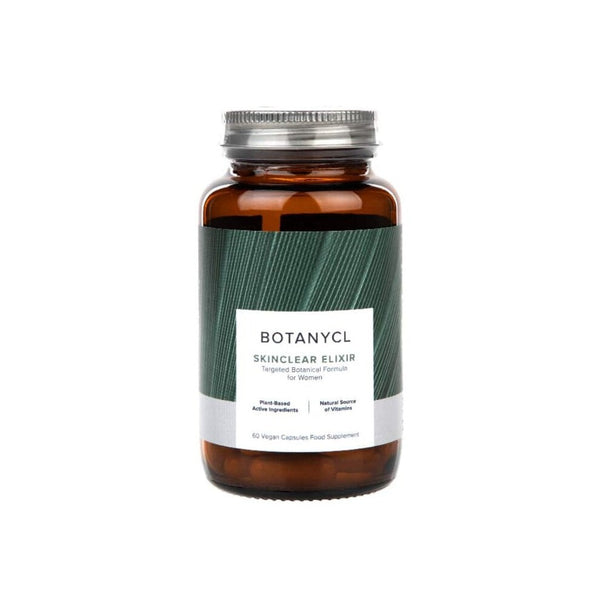
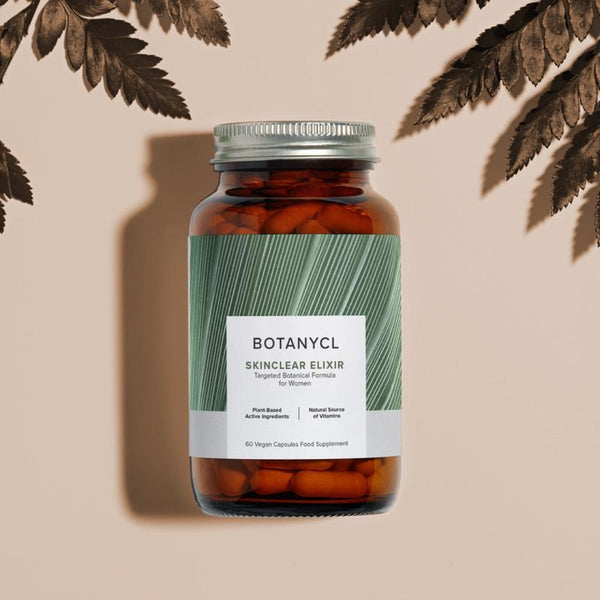
Suzanne’s Hormonal Acne Supplement Picks

How to Treat Hormonal Acne
Hormonal acne can make it tempting to keep adding stronger products whenever another breakout appears. Suzanne recommends taking a more consistent approach:
“Hormonal acne needs a consistent, skin-supportive approach rather than an aggressive one. Look for ingredients that help regulate breakouts while protecting the skin barrier, and remember that treating the cause is just as important as treating the blemish.”
A few simple habits can help keep your routine manageable:
- Cleanse gently without leaving your skin feeling stripped.
- Use targeted blemish products rather than layering multiple strong actives.
- Keep skin hydrated even if it feels oily or congested.
- Support your skin barrier alongside treating individual blemishes.
- Stay consistent and give products time to work.
How Long Does Hormonal Acne Last?
There isn’t a fixed timeline for hormonal acne because the hormonal fluctuations behind it can vary throughout different stages of life. Suzanne says:
“Hormonal acne can be persistent, particularly when it’s linked to fluctuations in hormones. With the right routine and support, breakouts can become more manageable, but consistency is key, skin rarely changes overnight.”
How Can You Tell If Acne Is Hormonal or Bacterial?
Acne doesn’t always fit neatly into one category, and bacteria can still play a role even when hormonal changes are influencing your breakouts. Suzanne explains:
“Acne isn’t simply ‘hormonal’ or ‘bacterial’. Hormonal fluctuations can influence oil production and inflammation, while C. acnes bacteria also plays a role. The pattern of your breakouts, where they appear and when they occur can all provide clues.”
When Should You Get More Help With Hormonal Acne?
If you need help choosing products, simplifying your routine or understanding where supplements could fit, book a skin consultation for personalised advice.
If acne is painful, persistent, causing scarring or you’re concerned about an underlying hormonal change, speak to your GP or another appropriate healthcare professional.