Menopausal Acne: Causes, Treatments and Skincare Tips
With expert advice from Kimberley, our Clinic Manager and Skin Expert, discover what causes menopausal acne, how it differs from adult female acne and how to adapt your skincare and wellbeing routine.

Menopause can change the way your skin behaves, sometimes in ways that seem completely contradictory. We explore what causes menopausal acne, why breakouts can appear alongside dryness, and how to adapt your skincare and wellbeing routine as your skin changes.
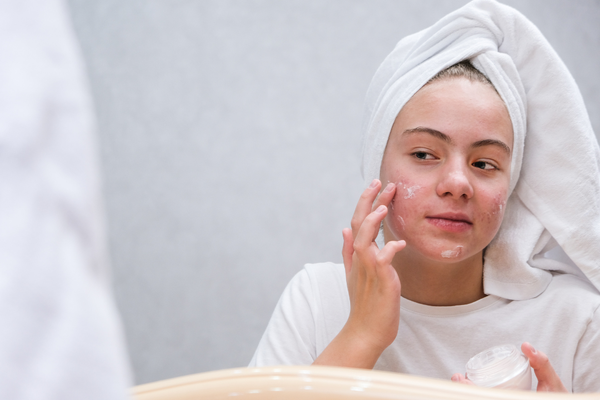
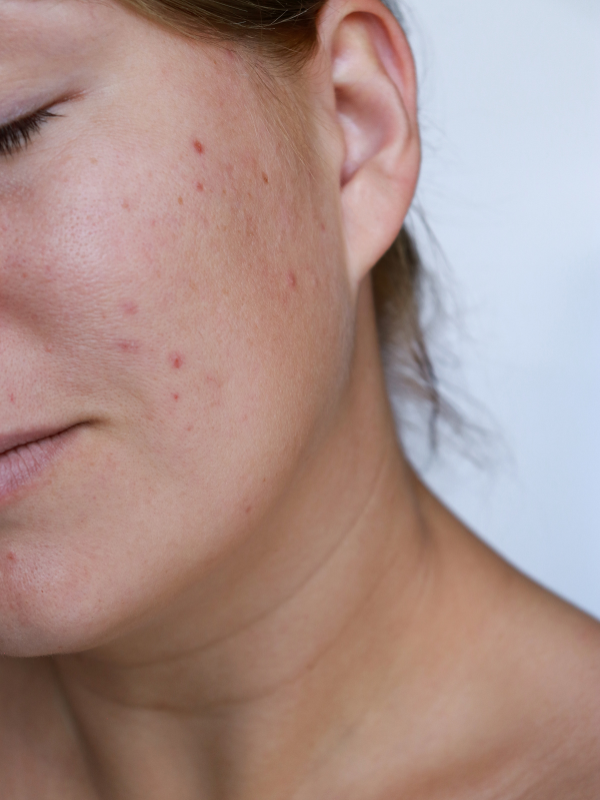
Menopause brings plenty of changes, and your skin is no exception. You might notice it becoming drier or more sensitive while, frustratingly, still developing congestion and breakouts.
If products that once worked suddenly don’t feel quite right, it may simply be that your skin needs something different now. With expert insight from Kimberley, our Clinic Manager and Skin Expert, we’re looking at what’s behind menopausal acne and how to support your skin through this new stage.

What Causes Menopausal Acne?
Hormonal changes are a major part of menopause, and those shifts can affect the way your skin looks and feels too. As hormone levels change, you may notice differences in your skin's oil production, hydration and even how resilient your skin feels. That can create an unfamiliar combination: skin that feels less oily than it once did but is still prone to blocked pores and blemishes.
Why Is My Skin Dry But Breaking Out During Menopause?
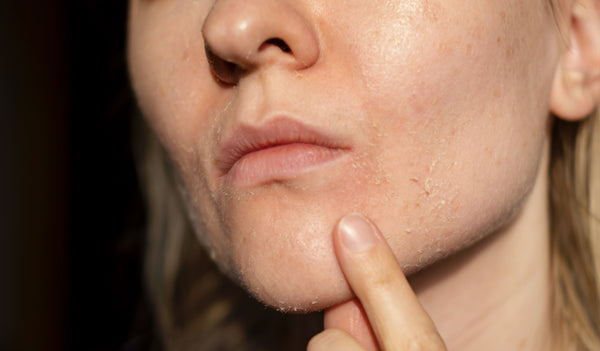
Dryness and breakouts might sound like opposites, but they can happen at the same time. Your skin may need more hydration and barrier support while still experiencing areas of congestion, which is why simply reaching for stronger acne products isn’t always the answer, so you can treat blemishes without making dryness or sensitivity worse.
As Kimberley explains:
“Menopausal skin can be a little contradictory, drier overall, yet more prone to congestion and breakouts. The key is balancing blemish control with barrier support, using gentle cleansing, targeted actives and plenty of hydration.”
Adult Female Acne vs Menopausal Acne: What’s the Difference?
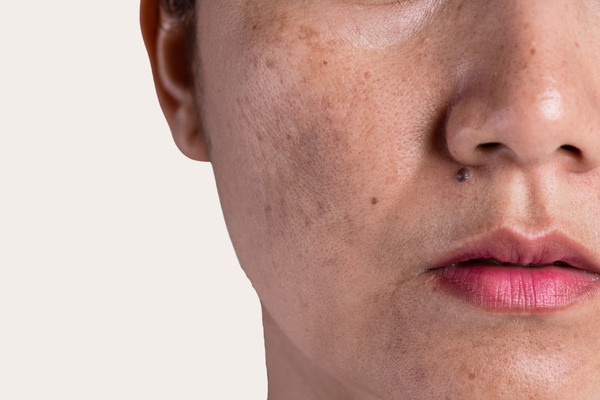
Adult female acne is a broader term covering acne that occurs during adulthood, while menopausal acne appears within the specific hormonal changes surrounding menopause.
Kimberley explains:
“Adult female acne and menopausal acne can look similar, but the hormonal changes behind them are different. Menopause brings a significant shift in oestrogen and androgen balance, which can leave skin drier while still encouraging breakouts, meaning your skincare routine may need to change with you.”

How to Treat Menopausal Acne
- Cleanse gently: avoid harsh cleansing that leaves already-dry skin feeling tight or uncomfortable.
- Target blemishes where needed: you don’t necessarily need strong acne actives across your entire face.
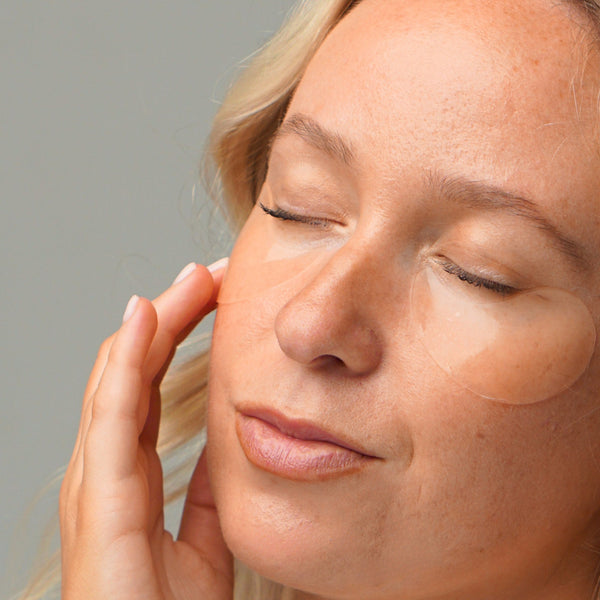
- Prioritise hydration: choose products that help maintain moisture and support the skin barrier.
- Choose your moisturiser carefully: menopausal skin may benefit from more nourishment without needing heavy formulas over breakout-prone areas.
- Wear SPF every day: daily UV protection remains an essential part of your morning routine.
- Let your routine evolve: skincare should change with your skin rather than staying fixed simply because it worked in the past.
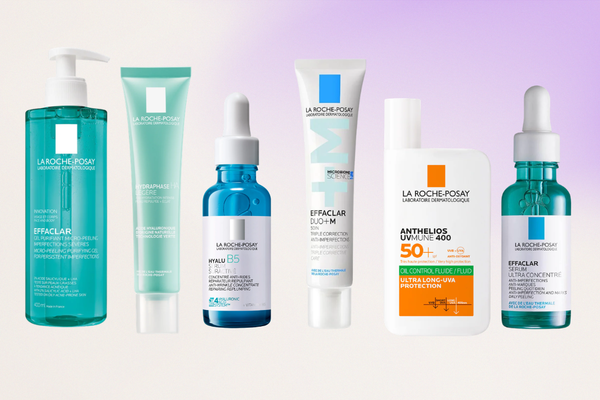
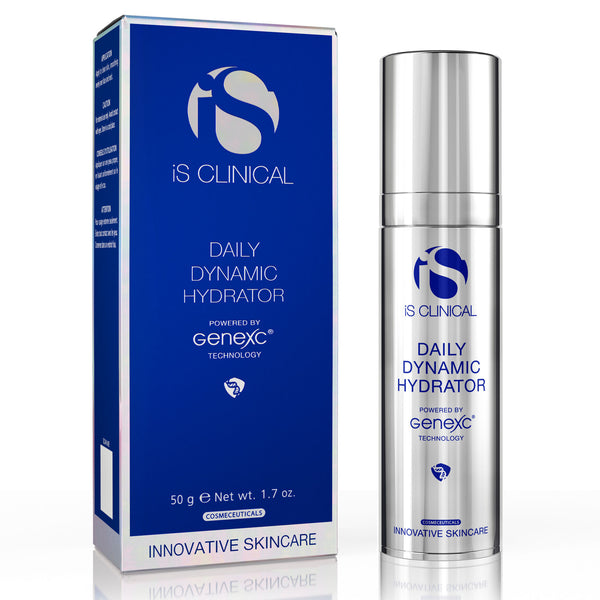
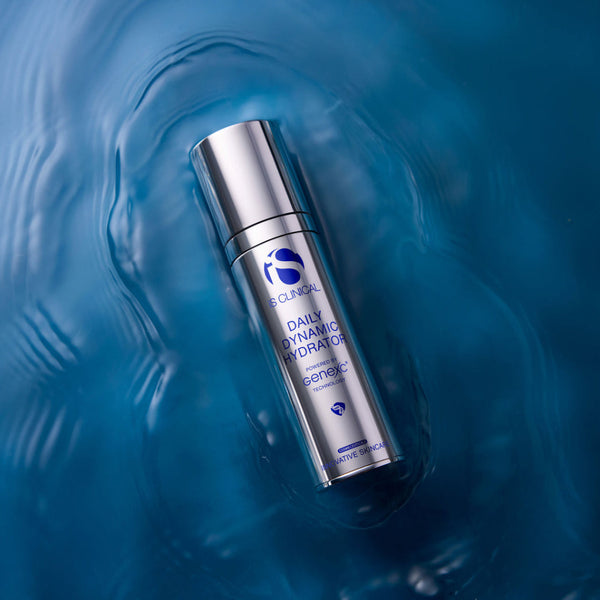
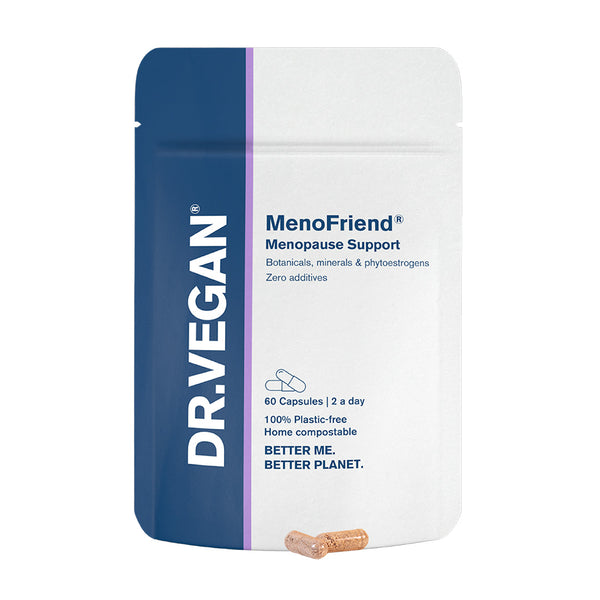
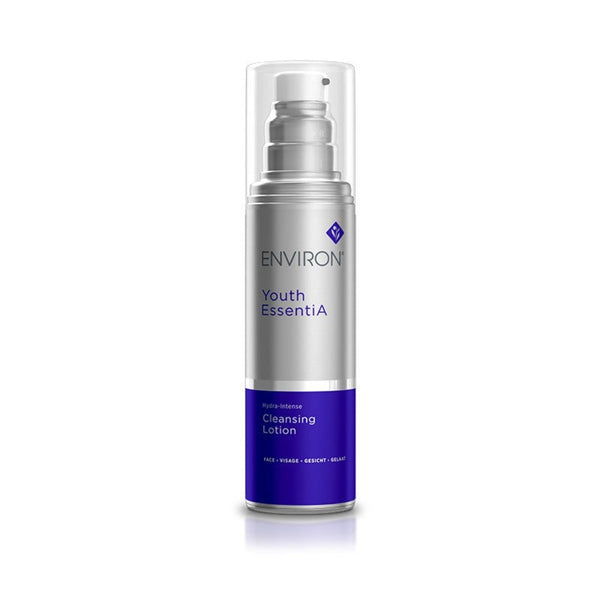
Kimberley’s Top Picks


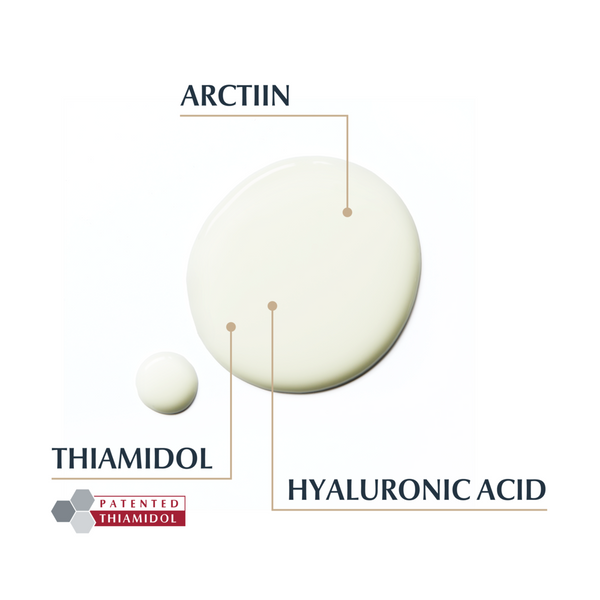

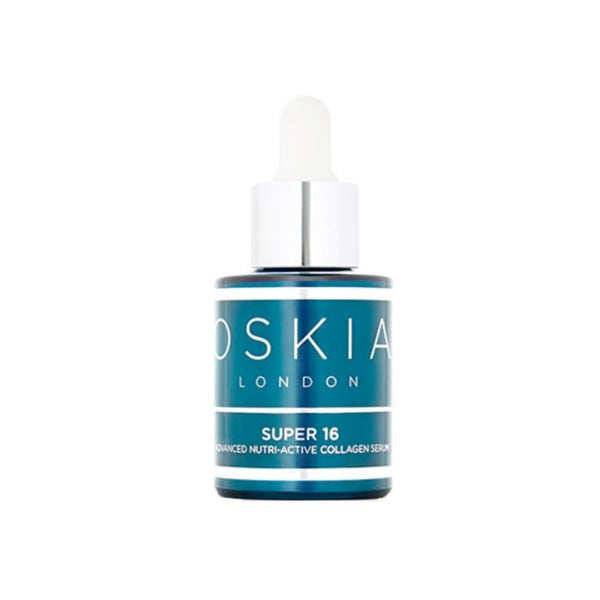
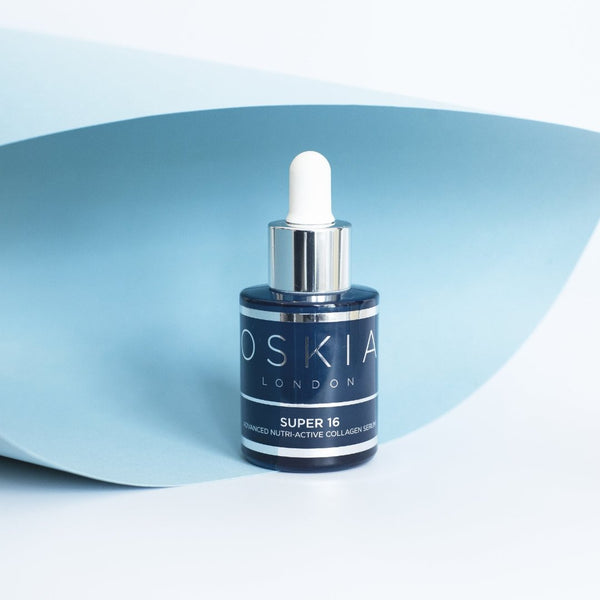
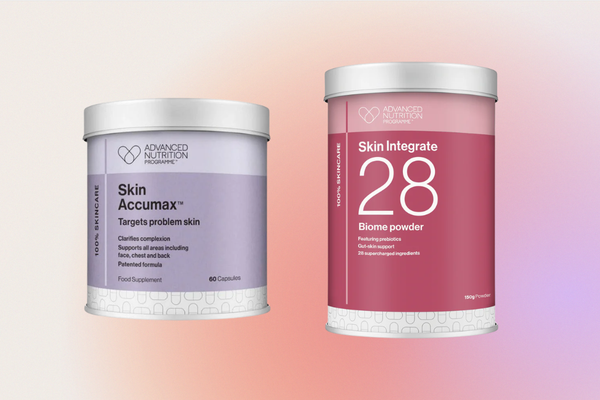
What Vitamins and Supplements Can Support Menopause?
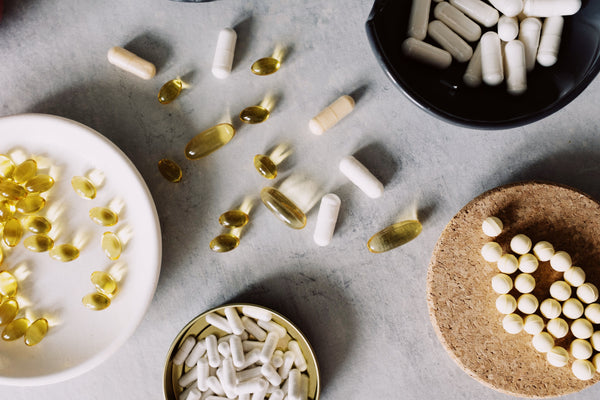
Skincare is only one part of looking after yourself during menopause. Nutrition and menopause supplements can also form part of a wider inside-out approach.
What Are the Top 3 Vitamins for Menopause?
Kimberley says:
“There isn’t one magic vitamin for menopause, but vitamin D, vitamin B and vitamin C can all play important roles in supporting overall health during this stage of life. Your individual needs should always come first.”
Rather than searching for one do-it-all supplement, think about your current diet and lifestyle.
Is Magnesium Good for Menopause?
Magnesium is another nutrient commonly considered during menopause.
“Magnesium is a popular choice during menopause because it contributes to normal psychological function, energy-yielding metabolism and muscle function. Alongside a balanced diet, nutrients such as vitamin D and B vitamins can also be important.”
Supplements should complement a balanced diet rather than replace it, and if you’re unsure what’s appropriate for you, speak to a healthcare professional before introducing something new.

When Should You Get Help With Menopausal Acne?
If your skin has changed and you’re unsure how to adapt your routine, book a skin consultation. Our experts can help you understand what your skin needs now and recommend a routine that balances blemish control with hydration and barrier support.
If your acne is persistent, painful, severe, causing scarring or isn’t improving, speak to your GP or another appropriate healthcare professional. They can assess whether further treatment may be needed.