Melasma vs Acne: What Are the Differences and How to Treat Them?
There’s a moment a lot of people recognise. You catch your reflection in a different light; maybe it’s harsher than usual, maybe it’s just more honest, and suddenly your skin looks uneven....
There’s a moment a lot of people recognise.
You catch your reflection in a different light; maybe it’s harsher than usual, maybe it’s just more honest, and suddenly your skin looks uneven. Not necessarily spots. Not necessarily clear either. Just not quite what you’re used to seeing.
So, you start trying to fix it.
A product for breakouts. Something “brightening.” Maybe an exfoliating acid because that’s what everyone seems to recommend. And for a while, it feels like you’re doing something useful, until your skin either stays the same, or starts reacting in ways you didn’t expect.
More often than not, this is where the confusion between melasma and acne begins.
They can look similar at a glance. But they behave very differently. And your skin knows the difference, even if it’s not obvious straight away.
Let’s Start With Melasma
Melasma is one of those conditions that tends to appear quietly and then linger.
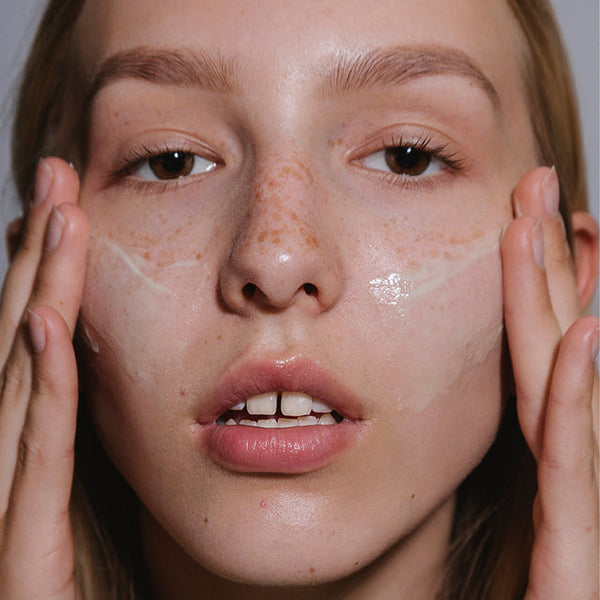
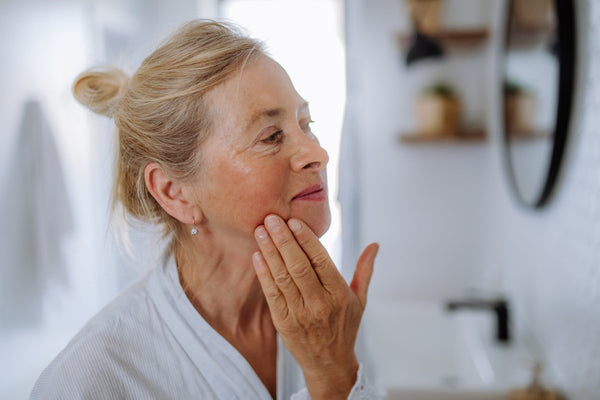
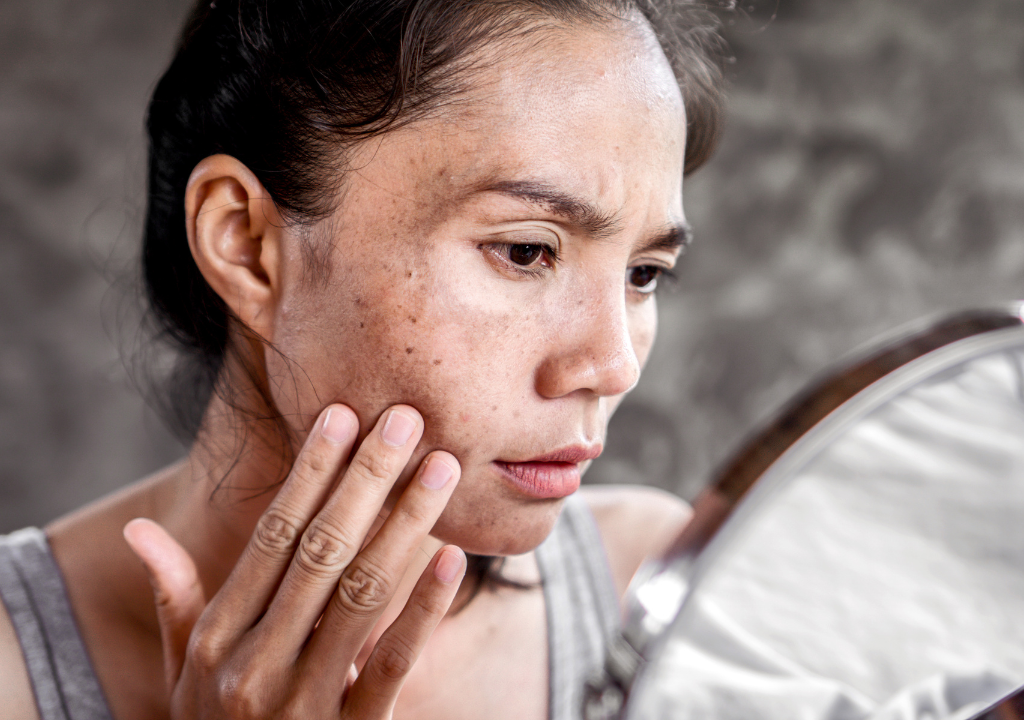
It usually shows up as soft, patchy areas of darker pigmentation – often across the cheeks, forehead, upper lip or nose. Your skin itself remains completely smooth, with no bumps or congestion; just colour that doesn’t quite match the rest of your complexion.
What’s behind it isn’t always visible either.
Hormones play a big role here, whether it’s pregnancy, contraception, even subtle shifts you might not immediately notice. Sun exposure tends to amplify it as well, which is why it can look more obvious after summer or holidays. We always recommend using SPF to prevent sun-damage from making melasma more obvious.
And once melasma is there, it doesn’t tend to move quickly. It settles in and deepens slightly with UV exposure. Sometimes it fades, but rarely all at once.
That’s usually the first clue: melasma doesn’t behave like a “flare-up.” It behaves like something your skin is holding onto.
Acne is Different to Melasma
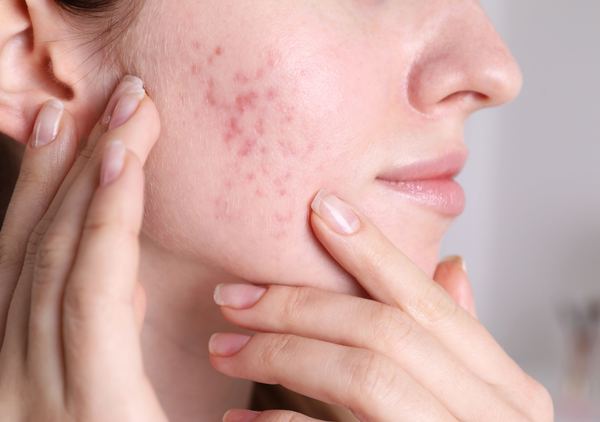
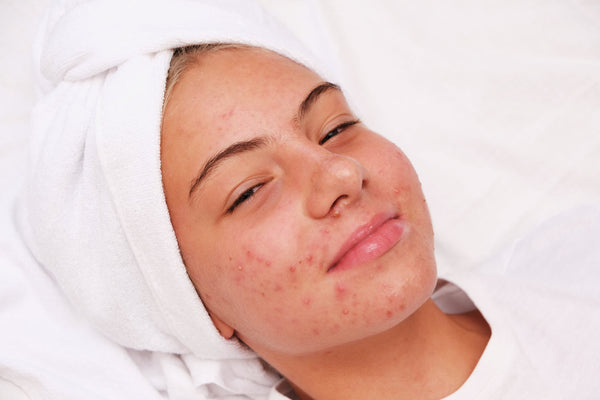
Acne is much more immediate than melasma. It shows up as blocked pores, breakouts and inflammation. Sometimes it’s small and surface-level, sometimes deeper and more uncomfortable. But there’s usually a sense that something is happening in your skin.
That’s because acne is an inflammatory condition, driven by oil production, skin congestion and sometimes bacteria.
Acne changes more quickly too. A breakout appears, evolves, heals. Then maybe another one follows. And importantly, acne often leaves something behind, such as acne scarring, redness, or pigmentation, which is where things can start to overlap visually with melasma.

Where The Confusion Between Melasma and Acne Happens
It’s usually not active acne that gets mistaken for melasma. It’s what comes after.
Post-acne marks – the darker areas left behind once a spot has healed – can look very similar to pigmentation conditions. They’re flat, they can cluster in certain areas, and they don’t always fade as quickly as you expect.
But they come from a different place.
Post-acne pigmentation is part of your skin’s healing response to inflammation. Melasma is more closely tied to internal triggers like hormones, alongside external ones like UV.
That difference matters, because it changes how your skin responds to treatment.
You Can Have Both Melasma and Acne (And Many People Do)
This is where it gets a bit more nuanced between melasma and acne.
Hormonal changes, which are a key trigger for melasma, can also increase oil production and lead to breakouts. So, it’s entirely possible to be dealing with both melasma and acne at the same time.
And this is often where routines become too aggressive.
Trying to “clear” acne quickly with strong actives can create irritation too. And irritation is one of the things that can make pigmentation – including melasma – look more pronounced.
So, instead of your skin improving, everything starts to feel a little more reactive.
Why Treating Melasma and Acne the Same Can Hold Your Skin Back
One of the biggest challenges with melasma and acne isn’t just telling them apart, it’s what happens when they’re treated as if they’re the same thing.
It’s an easy mistake to make, though. If your skin looks uneven, the instinct is often to reach for stronger exfoliants or multiple actives at once. But if that unevenness is melasma, too much intensity can actually make the pigment look more pronounced. And if it’s acne, focusing only on brightening without addressing congestion can mean breakouts continue underneath the surface of your skin.
This is where your skin can start to feel stuck; not quite improving, but again, becoming more reactive.
A more balanced approach tends to work better. Treat what’s actually there, rather than what it looks like at first glance. Keep your skin barrier supported, introduce actives gradually and allow time for your skin to respond to treatment.
Because when your routine matches your skin’s needs, progress usually feels a lot steadier, and far less frustrating.

How To Treat Melasma (Without Overdoing It)
Melasma responds best to consistency, not intensity. That usually means:
- Daily SPF - not just on sunny days, but every day. UV exposure is one of the biggest factors in keeping melasma active.
- Gentle pigment-regulating ingredients - vitamin C, niacinamide, azelaic acid. Nothing too aggressive, especially to begin with.
- A slower approach to actives - retinoids can help, but only when your skin is comfortable enough to tolerate them.
There’s often a temptation to “push” melasma into fading faster. In reality, the more supported your skin feels, the more likely it is to respond well over time.
Some of the products our skin experts recommend to treat melasma include:
- Mesoestetic Cosmelan 2 Depigmentation Cream: A powerful, widely recognized treatment that reduces the appearance of melanin-related blemishes.
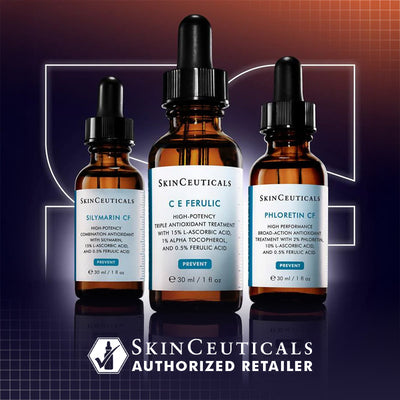
- SkinCeuticals Discoloration Defense Serum: A highly effective serum targeting stubborn brown patches and dark spots.
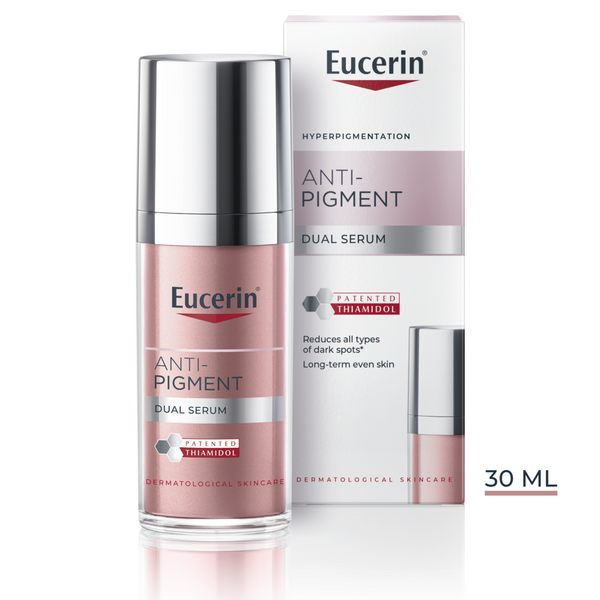
- Eucerin Anti-Pigment Dual Serum: A targeted treatment that combines Thiamidol and hyaluronic acid to reduce dark spots.
How to Approach Acne (Without Stripping Your Skin)
Acne tends to benefit from a bit more direction, but not necessarily more force.
- Keep your pores clear with ingredients like salicylic acid.
- Reduce inflammation with calming actives like niacinamide.
- Maintain your barrier with hydration (this is where many routines fall short).
One of the most common patterns we see is people over-correcting; using multiple strong products at once, then having to scale everything back when their skin becomes sensitised.
Consistency usually wins here too.
Some of the best products to treat acne include:
- Medik8 Clarifying Foam: A cult favourite for breakout-prone skin, this gentle cleanser combines salicylic acid and niacinamide to unclog pores, calm inflammation, and regulate oil—without over-drying. Suitable for everyday use, even on sensitive skin.
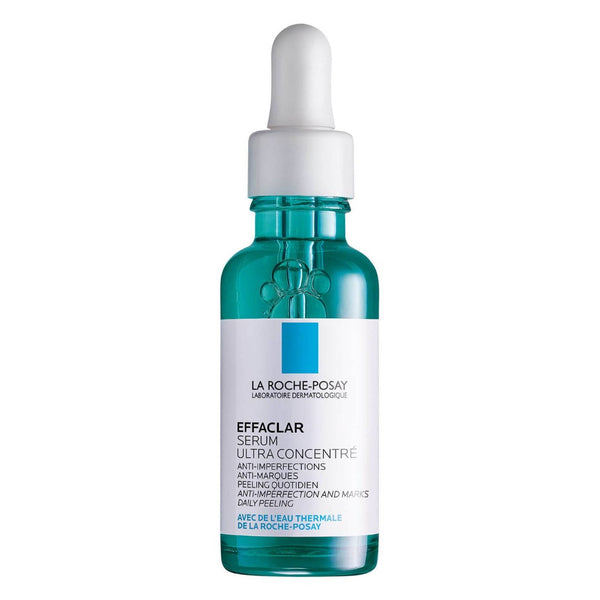
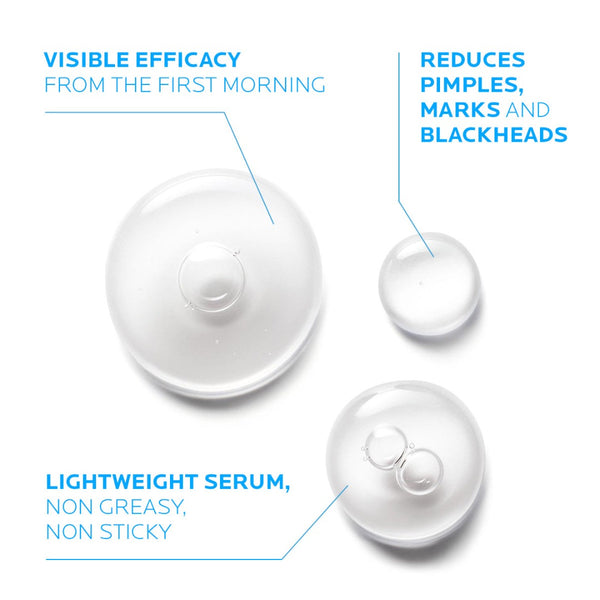
- La Roche-Posay Effaclar Duo+: This lightweight gel-cream moisturiser is ideal for oily, acne-prone skin. It hydrates while helping to reduce blemishes, redness, and post-acne marks. It also sits well under makeup and SPF.
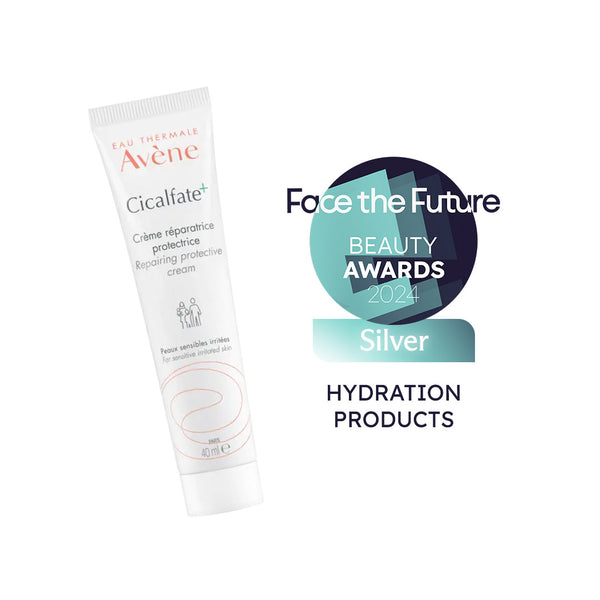
- Avène Cicalfate+ Restorative Protective Cream: Designed for very sensitive skin, this soothing cream helps repair and protect the skin barrier after breakouts or treatments. Perfect for calming and supporting healing while acne marks fade.
If You’re Still Unsure, That’s Normal
Your skin doesn’t always fall neatly into one category.
It can shift with the seasons, with stress, with hormones, with changes in your routine. What looked like acne a few months ago might now be lingering pigmentation. What felt like pigmentation might actually have started with breakouts.
And sometimes, it’s a mix of both.
If your skin is:
- Uneven but completely smooth: think melasma or pigmentation
- Changing, inflamed, or breakout-prone: acne is likely involved
From there, it becomes less about doing more, and more about doing the right things – consistently, and with a bit of patience.
Because skin rarely responds well to being rushed.
Final Thoughts: Understanding Your Skin Makes Treatment Easier
Melasma and acne can look similar at times, but they’re driven by very different processes within your skin. One is linked more closely to pigment and internal triggers, the other to inflammation and congestion. When you understand which one you’re dealing with, or whether it’s a combination of both, your routine starts to make a lot more sense.
Progress with both melasma and acne tends to be gradual. Some days your skin will look clearer, other days less so. That doesn’t mean what you’re doing isn’t working, it just means your skin is moving through its natural process.
If you’re feeling unsure about what your skin is showing you, or you’d like help building a routine that actually aligns with your concerns, our skin experts are here to guide you with clarity and care.
Get in touch to explore the most suitable options for your skin, or book a consultation for personalised advice.
Shop Acne and Melasma Essentials




Do you have more questions about how treat acne or hyperpigmentation? Check out our blog on Niacinamide for Acne-Prone Skin.