How To Build A Skincare Routine For Oily Skin
Oily skin doesn't need harsh scrubs or drying products. Gentle cleansing, lightweight hydration, targeted ingredients like niacinamide and salicylic acid, plus daily SPF can help reduce excess shine.

Oily skin can feel like a constant balancing act. One minute your skin looks fresh and healthy, and the next, your T-zone is shiny, your makeup has started to separate, or those little bumps and clogged pores have made another appearance.
If that sounds familiar, you are certainly not alone. Oily skin is something we hear about all the time from our community, and while it can be frustrating, it's also very manageable once you understand what your skin needs.
The biggest myth? That oily skin needs to be stripped, scrubbed or dried out. In reality, the best skincare for oily skin is usually much gentler than you might think. Your skin still needs hydration, barrier support and daily protection; it just needs them in lighter, more balancing textures.
So, if you have ever searched how to get rid of oily skin, what causes oily skin, or how to build a skincare routine for oily skin that actually works, this guide is for you.
Let’s take it step by step.

What Causes Oily Skin?
Oily skin happens when your sebaceous glands produce more sebum than your skin needs. Sebum is your skin’s natural oil, and although we often talk about oil as a problem, it actually plays an important role in keeping your skin soft, comfortable and protected.
The issue starts when your skin produces too much oil. That extra sebum can mix with dead skin cells, sweat, makeup, SPF and daily build-up, which may lead to clogged pores, blackheads, whiteheads, blemishes and a shiny-looking complexion.
So, what causes oily skin in the first place?
A few common triggers include:
- Genetics
- Hormonal changes
- Stress
- Hot or humid weather
- Using products that are too rich for your skin
- Over-cleansing or stripping your skin barrier
- Skipping moisturiser
- Wearing heavy makeup or SPF that does not suit your skin type
One thing we like to remind our community is that oily skin is not dirty skin. It does not mean you are doing something wrong, it simply means your skin is producing more oil, and your routine should help bring things back into balance.
How To Know If You Have Dry Or Oily Skin
Not sure where your skin fits? It can be confusing, especially because oily skin can still feel tight, dehydrated or sensitive.
Here is a simple way to tell.
You may have oily skin if:
- Your face looks shiny soon after cleansing
- Your T-zone becomes oily by midday
- Your makeup slips or separates throughout the day
- Your pores look more visible, especially around your nose and cheeks
- You often get blackheads, whiteheads or congestion
- Rich creams feel heavy or greasy on your skin
You may have dry skin if:
- Your skin feels tight, rough or flaky
- Your face looks dull or feels uncomfortable after cleansing
- Makeup clings to dry patches
- Your skin drinks up richer creams quickly
- Your complexion rarely looks shiny
You may also have combination skin, which means some areas are oily while others are normal, dry or dehydrated. This is very common. For example, your forehead, nose and chin may feel oily, while your cheeks feel dry or sensitive.
The key is to listen to your skin rather than trying to force it into one category. Your skin can also change with the seasons, hormones, stress and lifestyle, so it is completely normal to adjust your routine over time.

The Best Products for Treating Oily Skin
This is where your routine can make a real difference. Oily skin still needs hydration, but choosing lightweight products that help manage excess sebum can reduce unwanted shine while keeping the complexion feeling comfortable and balanced.
Our clinic manager, Kimberley Medd, has the following products to recommend if you're looking to treat your oily skin:
-
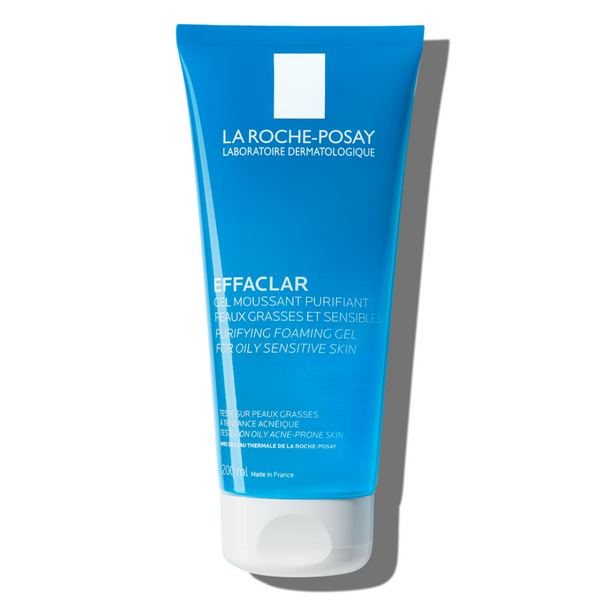
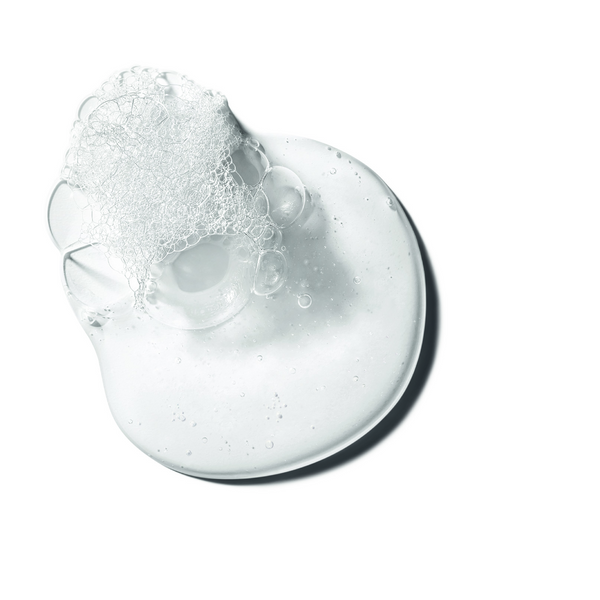
La Roche-Posay Effaclar Purifying Foaming Gel, a gentle cleanser that removes excess oil and impurities without leaving skin feeling stripped.
-
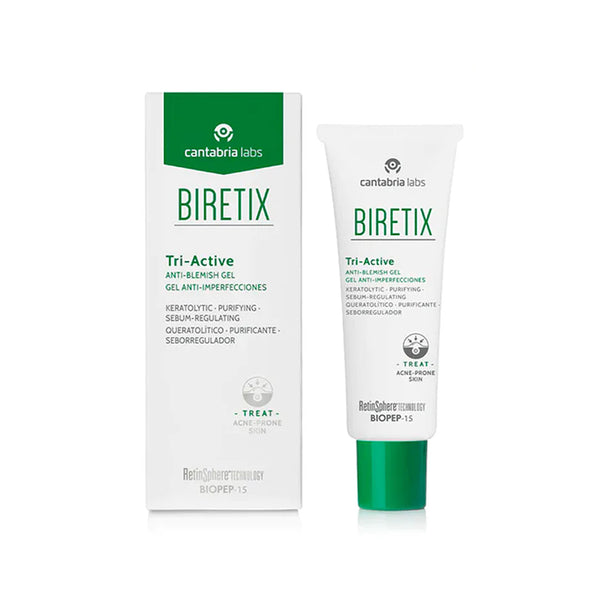
Biretix Tri-Active Gel, ideal for blemish-prone skin, helping to reduce congestion, refine skin texture and support clearer-looking skin.
-
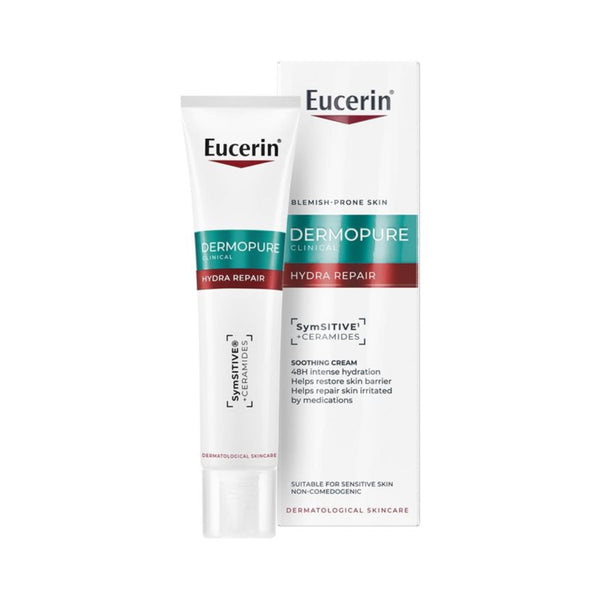
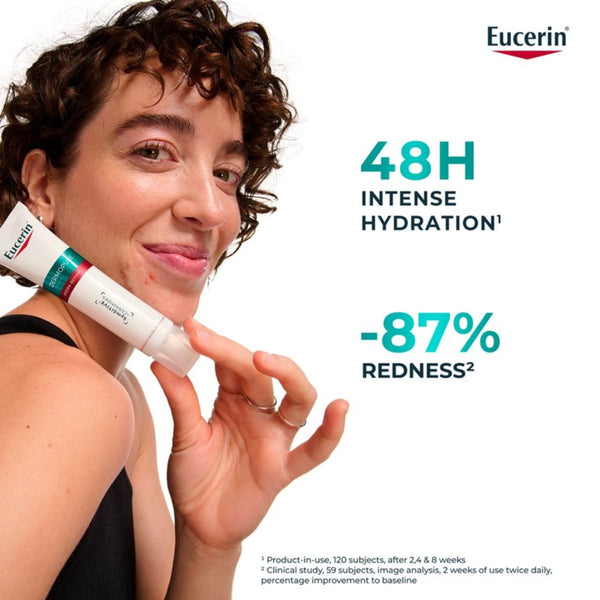
Eucerin DermoPurifyer Oil Control Adjunctive Soothing Cream, a lightweight moisturiser that provides hydration while helping to calm skin that's prone to breakouts or undergoing blemish treatments.
-
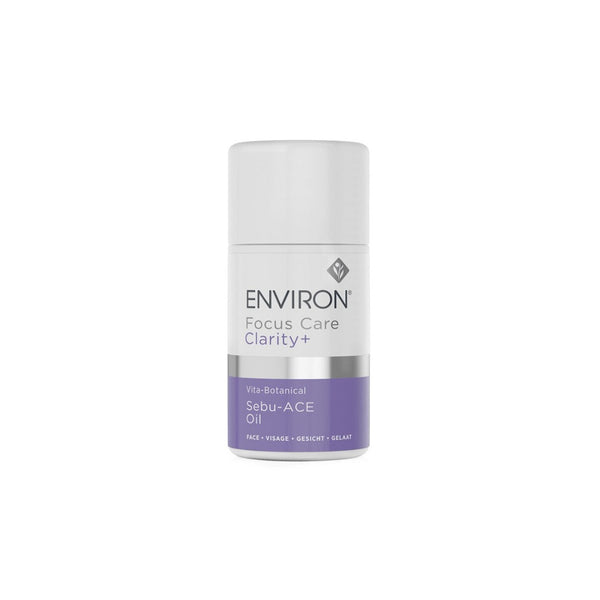
Environ Focus Care Clarity+ Sebu-ACE Oil, formulated with vitamins and botanicals to help support blemish-prone skin and promote a healthier-looking complexion.
-
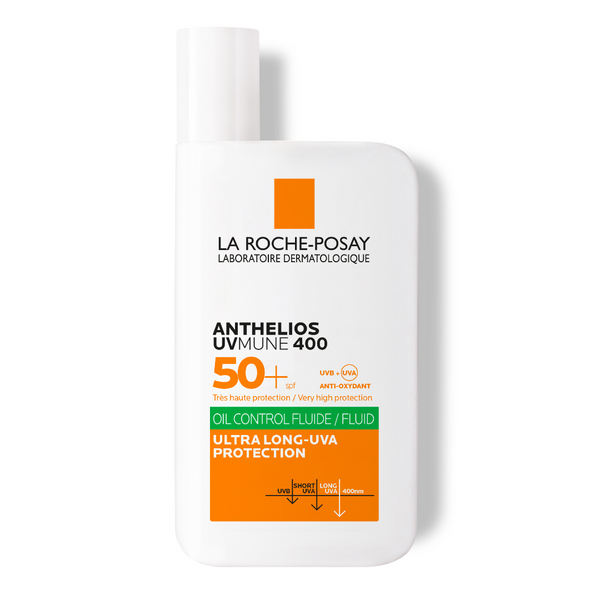
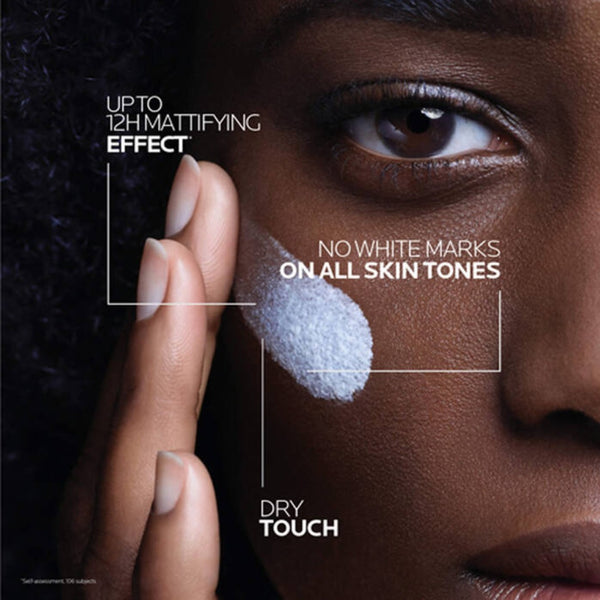
La Roche-Posay Anthelios UVMune 400 Oil Control Fluid SPF50+, offering very high broad-spectrum UV protection with a lightweight, mattifying finish that's well suited to oily and combination skin.
The Best Skincare Routine For Oily Skin
A good skincare routine for oily skin does not need to be complicated. In fact, oily and blemish-prone skin often does best with a simple routine that you can stick to every day.
The basics are:
- Cleanse
- Treat
- Moisturise
- Protect with SPF 30
You can then add extras, such as exfoliation or a clarifying mask, when your skin needs them. Let’s break down each step.
Step 1: Cleanse Without Stripping Your Skin
Cleansing is essential for oily skin, but this is where many people accidentally overdo it.
When your skin feels greasy, it is tempting to use a strong foaming cleanser or wash your face several times a day. The problem is that harsh cleansing can strip your skin barrier, leaving your face feeling tight, dry or irritated. Your skin may then feel even oilier later, because it is trying to compensate.
For oily skin, choose a cleanser that leaves your face feeling fresh and clean, but not squeaky or tight.
Look for:
- Gel cleansers
- Light foaming cleansers
- Oil-free cleansers
- Clarifying cleansers
- Cleansers suitable for blemish-prone skin
- Salicylic acid cleansers if your skin is congested
Salicylic acid can be especially useful because it helps clear oil and dead skin cells from inside the pore. However, you do not need to use a strong active cleanser every morning and evening if your skin feels sensitive. Sometimes alternating between a gentle cleanser and an active cleanser works better.
Step 2: Add A Treatment That Targets Oil And Congestion
Once your skin is clean, you can add a treatment step. This is where you choose ingredients based on what your skin is struggling with most, whether that is shine, blackheads, breakouts, uneven texture or post-blemish marks.
Some of the best ingredients for oily skin include:
· Salicylic Acid: Salicylic acid is one of the most popular ingredients in skincare for oily skin because it can work inside the pore, helping to clear congestion and reduce the look of blackheads and blemishes.
· Niacinamide: Niacinamide is a brilliant ingredient for oily skin because it is gentle, versatile and easy to fit into most routines. It helps support the skin barrier, balance the look of oiliness, calm the appearance of redness and improve the look of uneven skin tone.
· Azelaic Acid: Azelaic acid is another helpful ingredient, especially if your oily skin is prone to blemishes, redness or post-breakout marks. It can be a good option for skin that does not tolerate stronger acids every day.
· Retinoids: Retinoids can help improve the look of uneven texture, clogged pores and breakouts over time. They can be very effective, but they should be introduced carefully.
If you are new to retinoids, start with a few nights a week, follow with moisturiser, and always use SPF during the day.
Step 3: Use A Lightweight Moisturiser
We know this step can feel confusing. If your skin is already oily, do you really need moisturiser? The answer is yes.
Oily skin can still be dehydrated, and when your skin lacks water, it can feel tight, dull, sensitive or even greasier than usual. A good moisturiser helps keep your skin barrier happy, which is especially important if you are using active ingredients like salicylic acid, azelaic acid or retinoids.
The trick is choosing the right texture.
For oily skin, look for moisturisers that are:
- Lightweight
- Gel-based
- Oil-free
- Water-based
- Non-comedogenic
- Fast absorbing
- Suitable for blemish-prone skin
Ingredients such as hyaluronic acid, glycerin, niacinamide, panthenol and ceramides can help hydrate and support your skin without feeling too rich.
Your moisturiser should leave your skin feeling comfortable, not coated.
Step 4: Finish Every Morning With SPF
SPF is non-negotiable, even if your skin is oily or breakout-prone.
We completely understand why some people avoid sunscreen. The wrong formula can feel greasy, heavy or uncomfortable, and nobody wants an SPF that makes their skin look shinier by 10am. But skipping sunscreen can make post-blemish marks, pigmentation and signs of ageing more noticeable over time.
The good news is that there are now so many lightweight SPFs designed for oily and blemish-prone skin.
Look for:
- Oil-free SPF
- Gel SPF
- Fluid sunscreen
- Non-comedogenic formulas
- Matte or dry-touch finishes
- Broad-spectrum SPF30 or SPF50
If you have tried one sunscreen and hated it, do not give up on SPF altogether. It may simply have been the wrong texture for your skin. Check out our 365 Days of SPF page, where we raise awareness about the dangers of sun damage, teach how sun protection works, and encourage everyone to make SPF a daily habit in 2026 and beyond.

A Simple Morning Skincare Routine For Oily Skin
Your morning routine should help refresh your skin, manage shine and protect your complexion for the day ahead.
Try this:
- Cleanse with a gentle gel or foaming cleanser
- Apply a lightweight serum, such as niacinamide or hyaluronic acid
- Use a light moisturiser if your skin needs it
- Finish with broad-spectrum SPF30 or SPF50
If your skin is very oily, you may prefer a gel moisturiser or a hydrating serum underneath SPF. Some lightweight sunscreens may feel moisturising enough on their own, but this depends on your skin and the formula you choose.
A Simple Evening Skincare Routine For Oily Skin
Your evening routine should focus on removing the day from your skin and using targeted treatments without overwhelming your barrier.
Here is a good routine:
- Double cleanse if you have worn SPF or makeup
- Apply your chosen treatment, such as salicylic acid, azelaic acid or a retinoid
- Follow with a lightweight moisturiser
- Take recovery nights when your skin feels dry, tight or irritated
You do not need to use active ingredients every single night. In fact, your skin may do better when you alternate treatment nights with simple hydration and barrier support.
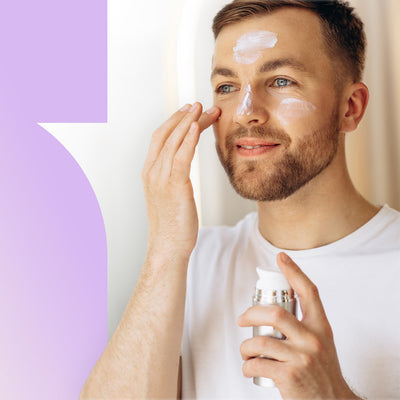
What About Men’s Skincare For Oily Skin?
Men’s skincare for oily skin follows the same basic principles: cleanse, treat, moisturise and protect with SPF.
The main difference is that men may also need to think about shaving, facial hair and post-shave irritation. If you shave regularly, oily skin can still become sensitive, especially around the jawline, neck and cheeks.
A simple men’s skincare routine for oily skin might include:
- A gentle gel cleanser
- A lightweight serum with niacinamide or salicylic acid
- A non-greasy moisturiser
- A daily SPF
- A soothing aftershave balm if needed
Try to avoid harsh scrubs, alcohol-heavy aftershaves and very rich creams if your skin clogs easily. Your routine does not need to be complicated to be effective.

Should You Exfoliate Oily Skin?
Yes, oily skin can benefit from exfoliation, especially if you are prone to clogged pores, uneven texture or blackheads. But, more exfoliation does not always mean better results.
Over-exfoliating can leave your skin barrier irritated, which may make your skin feel tight, stingy, shiny or more breakout-prone.
For most oily skin types, exfoliating one to three times a week is enough. If you are already using a salicylic acid cleanser, retinoid or exfoliating serum, you may not need a separate exfoliating product as often.
Your skin should feel smoother and clearer after exfoliation, not sore or stripped.
Ingredients To Look For In The Best Skincare For Oily Skin
When choosing the best skincare for oily skin, these ingredients are worth looking out for:
- Salicylic acid to help clear congestion and refine the look of pores
- Niacinamide to support the skin barrier and balance the look of oiliness
- Hyaluronic acid to hydrate without heaviness
- Glycerin to keep your skin feeling comfortable
- Azelaic acid for blemishes, redness and uneven tone
- Zinc to support clearer-looking skin
- Clay for occasional oil-absorbing masks
- Ceramides to support the skin barrier
You do not need every ingredient in one routine. Start with the basics and build from there.
What To Avoid If You Have Oily Skin
When your skin feels greasy or congested, it is easy to panic and reach for every mattifying, exfoliating or drying product you own. We get it. But oily skin usually responds best to consistency, not extremes.
Try to avoid:
- Washing your face too often
- Using hot water to cleanse
- Scrubbing your skin aggressively
- Skipping moisturiser
- Layering too many acids
- Using drying spot treatments all over your face
- Choosing very rich creams if your skin clogs easily
- Sleeping in makeup or SPF
- Changing your routine every few days
Oily skin does not need to be punished. It needs the right support.
How Long Does It Take To Balance Oily Skin?
Some of our community notice less shine quite quickly after switching to lighter textures or a better cleanser. Congestion, blackheads and blemishes can take longer, especially if hormones, stress or long-term product build-up are involved.
As a general guide, try to give your new skincare routine for oily skin around six to eight weeks before deciding whether it is working, unless a product is clearly irritating your skin.
Skin takes time. Small, consistent changes are usually much more effective than constantly starting again.
Expert Advice on Oily Skin
Our clinic manager, Kimberley: 'Oily skin is a skin type, not something you've caused or need to "fix". It naturally produces more oil, known as sebum, than other skin types. While sebum helps keep your skin healthy, protected and hydrated, producing too much can leave your skin looking shiny and make you more prone to clogged pores, blackheads and breakouts.
A common misconception is that oily skin needs to be stripped of all its oil, but this can actually do more harm than good. Using harsh cleansers or over-exfoliating can weaken the skin barrier, leaving skin dehydrated. In response, your skin may produce even more oil to make up for the moisture it's lost. Instead, the aim should be to keep your skin balanced with gentle cleansing, lightweight hydration and products that help manage excess oil while supporting a healthy skin barrier.'
Final Thoughts
Oily skin can be frustrating, especially when shine, clogged pores or breakouts keep showing up. But your skin is not the problem, and it does not need a harsh routine to behave better.
The best skincare routine for oily skin is simple, consistent and supportive. Cleanse gently, choose targeted ingredients like salicylic acid or niacinamide, moisturise with lightweight textures and protect your skin every morning with SPF.
Most importantly, give your skin time. A balanced routine can make a real difference, but it does not have to be perfect from day one.
Ready to find the right products for your skin? Explore our expert-approved skincare for oily skin, discover lightweight cleansers, serums, moisturisers and SPFs, or take our free online skin test to find products tailored to your skin.
For more personalised advice, book a virtual skin consultation or contact our skin experts. We are here to help you build a routine that feels easy, effective and right for your skin.
Shop Our Products for Treating Oily Skin