Best Products for Skin Barrier Repair: Expert Picks for Damaged Skin
Dryness, tightness, redness and increased sensitivity can all be signs your skin barrier needs support. With expert advice from Face the Future Clinic Manager Kimberley Medd, discover how to repair a compromised...

If your skin is flaking, oversensitive, dull all of a sudden, or even tackling an unusual breakout, you may have damaged your skin barrier. The main cause we see is the overload of different actives, as we try every new skincare trend at once, not realising we're doing more harm.
Think of your skin barrier as the foundation of your skin health. When that's disrupted, you can't focus on anything else without rebuilding that. With the help of Face the Future Clinic Manager Kimberley Medd, we’re taking a closer look at what causes skin barrier damage, the signs to look out for and the products she recommends when your skin needs a little extra support.
What Is the Skin Barrier and Why Is It Important?
Your skin barrier is the outermost layer of your skin and forms an important protective shield between your body and the outside world.
As Kimberley explains:
“The skin barrier is your body’s first line of defence. It helps retain moisture while protecting against environmental aggressors such as pollution, bacteria and UV exposure. When the barrier is healthy, skin feels comfortable, looks more radiant and is better able to tolerate active ingredients.”
A well-functioning barrier helps keep essential moisture within the skin while limiting the impact of external stressors. This is one of the reasons barrier health can have such a noticeable effect on how your skin looks and feels day to day.
It also plays an important role in how well your skin tolerates the rest of your routine. When the barrier is in good condition, ingredients such as retinoids and exfoliating acids may feel easier for your skin to manage. When it is already compromised, even products you have used comfortably before can suddenly feel irritating.
As Kimberley puts it, “Looking after your barrier isn’t just about soothing sensitive skin, it’s the foundation of a healthy skincare routine for every skin type.”
Signs of a Damaged Skin Barrier
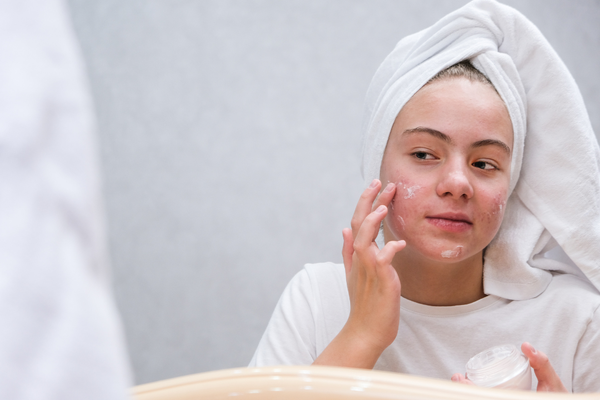
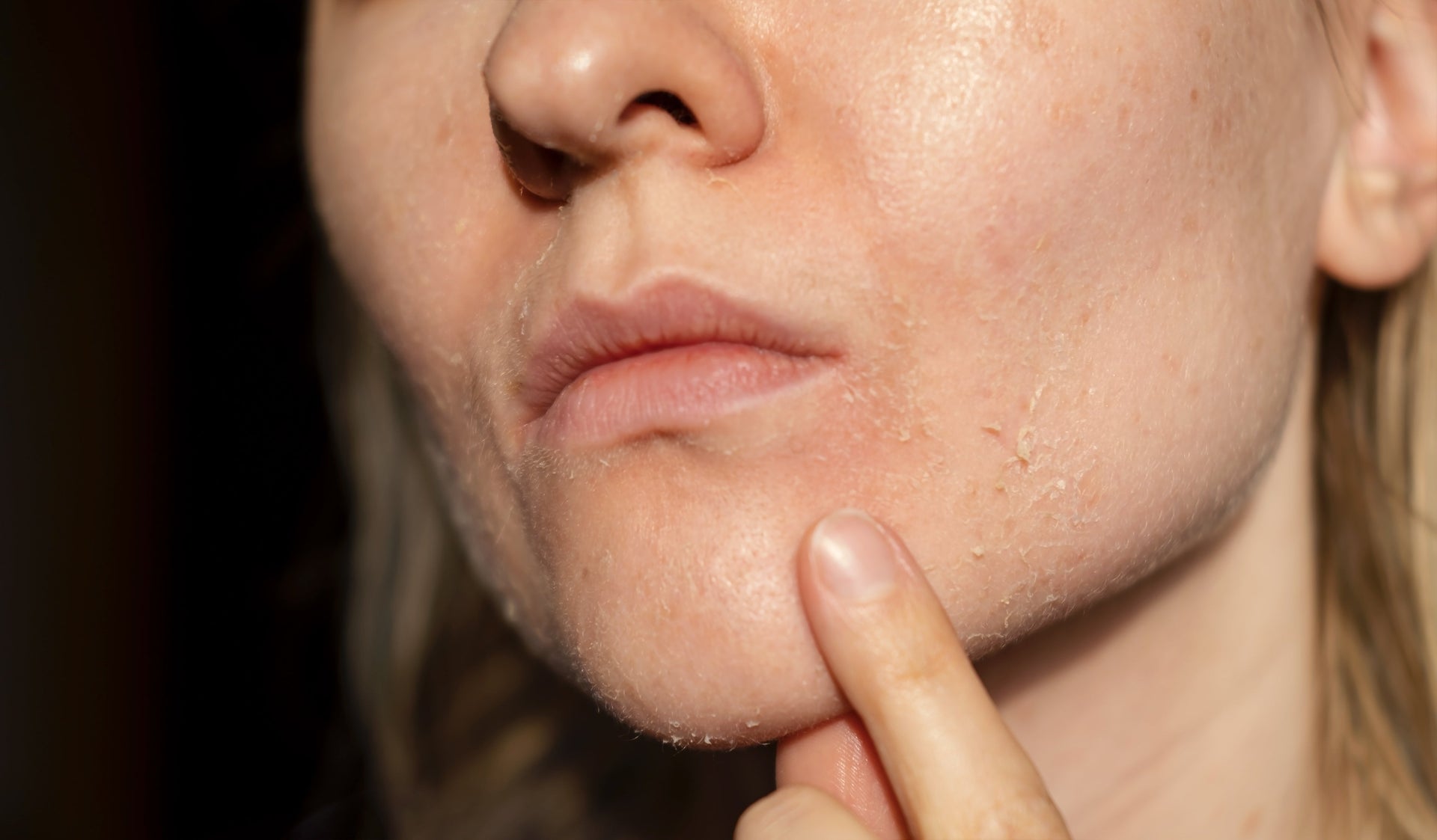
Skin barrier damage can look slightly different for everyone, but changes in how your skin normally behaves are often worth paying attention to. Kimberley explains, “When the barrier becomes compromised, skin can feel dry, tight, sensitive or irritated. You may also notice increased redness, flaking or breakouts.”
Other signs of a damaged skin barrier can include products stinging when applied, a rough texture and skin feeling uncomfortable after cleansing.
What Causes a Compromised Skin Barrier?
Using exfoliating acids too frequently, introducing several active ingredients at once or increasing your retinoid use too quickly can all leave skin feeling sensitised. Harsh cleansers and over-cleansing can also remove too much of the skin’s natural oils, particularly when your skin already feels dry or reactive.
Acne treatments are another common cause. Ingredients designed to manage excess oil and blemishes can sometimes leave the surrounding skin feeling dry or uncomfortable, making barrier support an important part of an acne-focused routine too.
Environmental changes can also affect how your skin behaves. Cold weather, central heating, low humidity and sun exposure can all influence moisture levels and leave skin requiring a little more support than usual.

How Can I Restore My Skin Barrier After Using Harsh Skincare Products?
When your skin feels irritated or unusually reactive, simplifying your routine can give it some breathing room.
- Start by reviewing any stronger active ingredients you are using. Temporarily reducing exfoliating acids and retinoids will help while your skin settles.
- Focus on hydration and a moisturiser suited to your skin type. A skin barrier repair moisturiser does not always need to feel rich or heavy.
- Daily SPF should remain part of your morning routine, helping protect skin from further environmental stress while it recovers.
- Once your skin feels comfortable again, bring stronger active ingredients back gradually rather than restarting everything at once.
Best Ingredients for Repairing a Compromised Skin Barrier
Ceramides
Ceramides are lipids naturally found within the skin barrier. Skincare containing ceramides can help support the barrier and reduce moisture loss.
Panthenol
Also known as provitamin B5, panthenol is frequently found in soothing and restorative skincare. It helps support hydration while calming the feeling of irritation.
Glycerin and Hyaluronic Acid
Both are humectants, meaning they help attract water into the skin. They are useful for replenishing hydration without necessarily relying on heavy textures.
Squalane
Squalane helps soften and replenish the skin while supporting moisture retention. Its lightweight texture also makes it a popular option for skin types that do not enjoy richer creams.
The Best Barrier Boosting Products, According To Our Expert
From lightweight hydration for sensitive, oily skin to targeted creams for areas of irritation, Kimberley has selected five barrier-supporting formulas for different skin needs.
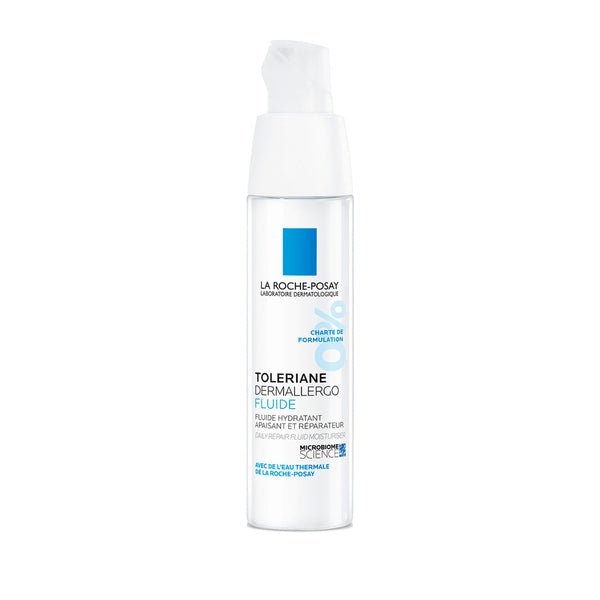
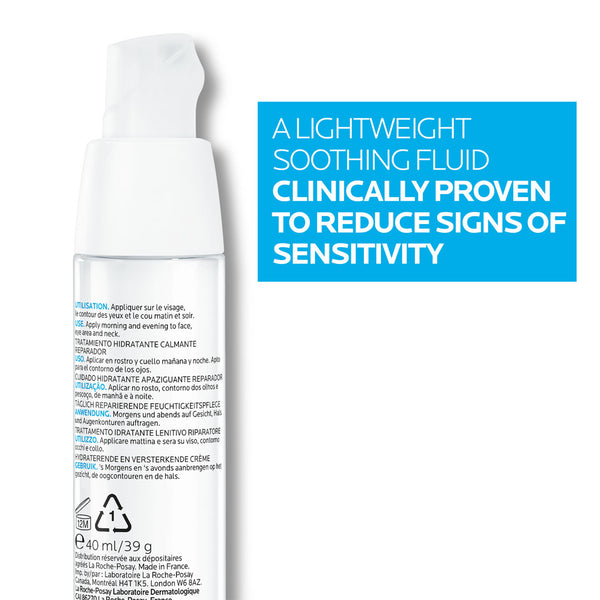
La Roche-Posay Toleriane Dermallergo Fluid
Best for: Sensitive, oily and combination skin
 A compromised barrier does not automatically mean reaching for the richest moisturiser you can find.
Kimberley recommends La Roche-Posay Toleriane Dermallergo Fluid for skin that needs hydration and barrier support without a heavy finish:
“A lightweight moisturiser designed for sensitive skin that helps strengthen the skin barrier while providing lasting hydration without feeling heavy, making it ideal for oily and combination skin.”
Its fluid texture makes it an easy addition to routines where comfort is the priority but excess richness can feel overwhelming.
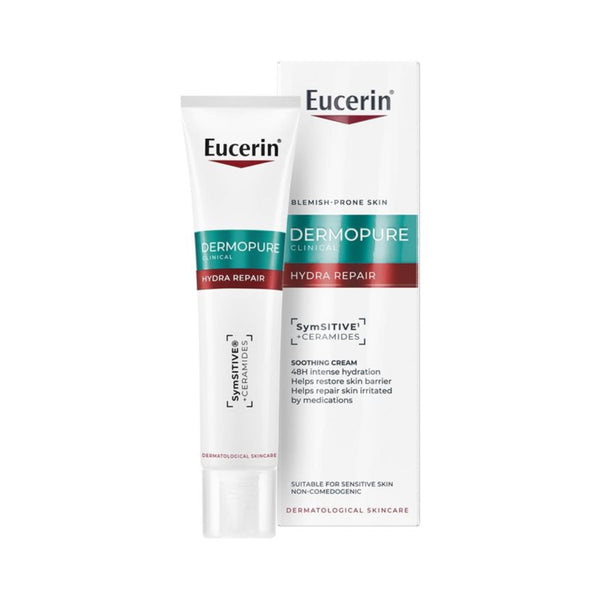
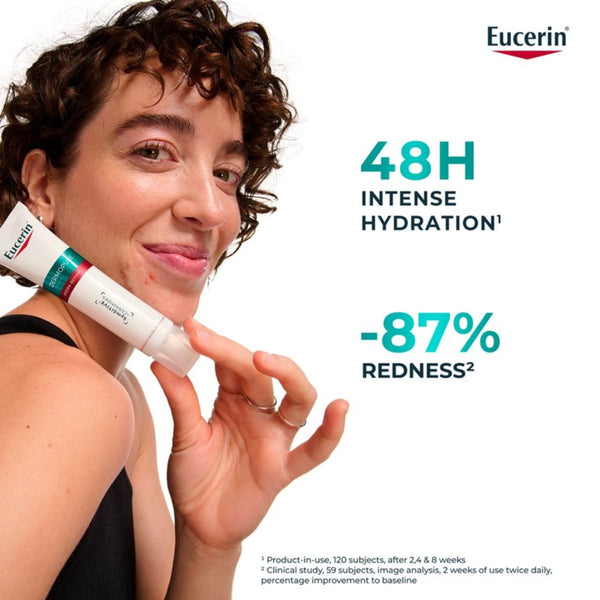
Eucerin DermoPurifyer Oil Control Adjunctive Soothing Cream
Best for: Blemish-prone skin sensitised by acne treatments

Treating blemishes can sometimes leave the surrounding skin feeling dry and uncomfortable, especially when stronger topical treatments are part of your routine.
Kimberley explains:
“It’s specially formulated for blemish-prone skin that has become dry or sensitised through acne treatments. It helps restore comfort, reinforce the skin barrier and deliver lightweight hydration.”
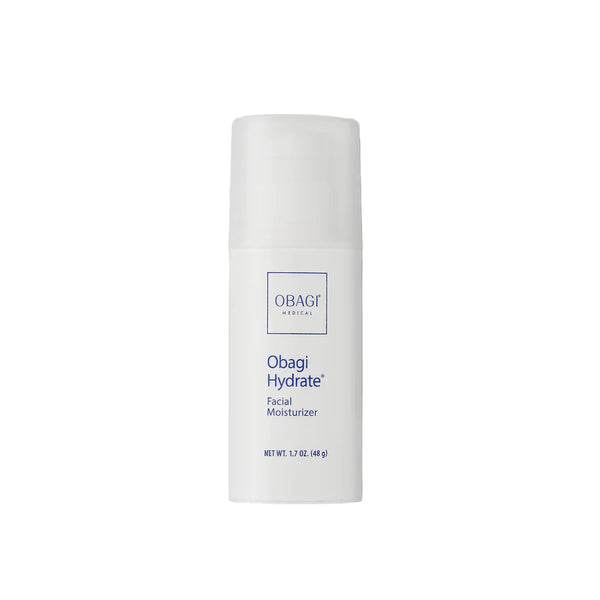
Obagi Hydrate
Best for: Dehydrated skin that prefers lightweight hydration

For anyone who dislikes the feel of richer creams, Obagi Hydrate Light Weightless Gel Cream offers a fresher approach to daily hydration.
Kimberley recommends it as:
“A refreshing gel-cream that provides long-lasting hydration while supporting the skin’s moisture barrier, without clogging pores or leaving a greasy finish.”
The lightweight texture makes it particularly appealing for combination and oily skin that still feels dehydrated.
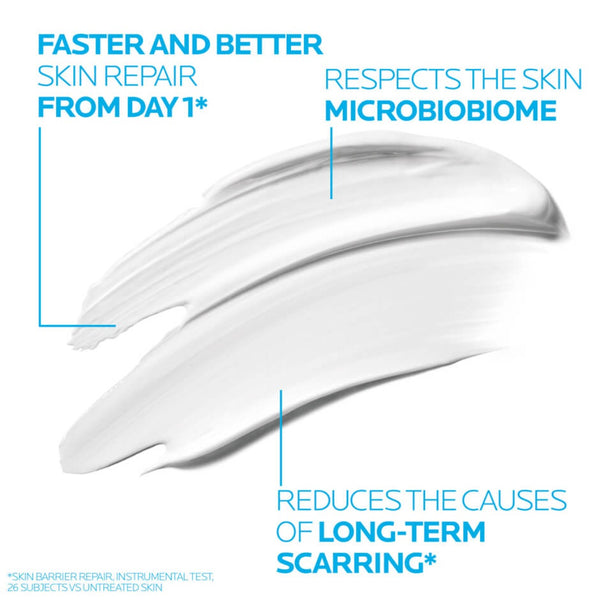
La Roche-Posay Cicaplast Baume B5+
Best for: Areas of irritation and compromised skin

La Roche-Posay Cicaplast Baume B5+ has become a go-to for many routines when skin feels in need of extra comfort.
Kimberley says:
“A multi-purpose balm that helps soothe irritation and support skin recovery when the barrier has been compromised. A thin layer can be used on areas of concern without overwhelming oily skin.”
That targeted approach can be particularly helpful if only certain areas of your face feel dry, irritated or sensitised. You can give those areas additional support without applying a richer balm everywhere.
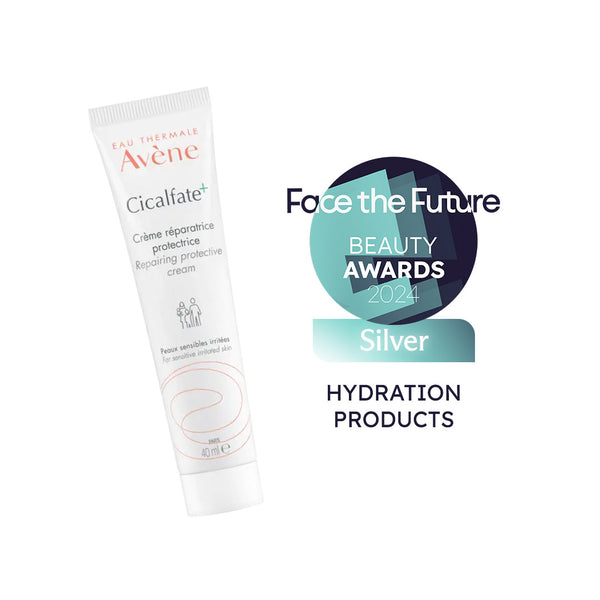
Avène Cicalfate+ Restorative Protective Cream
Best for: Irritated and damaged areas of skin
 When particular areas feel especially compromised, Avène Cicalfate+ Restorative Protective Cream offers more focused support.
Kimberley explains:
“It’s ideal for calming irritated, damaged skin and supporting barrier repair. It’s best used as a targeted treatment on compromised areas rather than all over the face if you’re prone to excess oil.”
Remember, tailoring how you use the product to your skin type can make all the difference. Barrier care does not need to follow exactly the same approach for everyone.
Give Your Skin the Support It Needs
When products start to sting, tightness lingers or your skin simply feels less comfortable than usual, it may be time to take things back to basics and focus on restoring hydration and supporting your barrier.
Explore our expert-recommended barrier-boosting products, or speak to the Face the Future team for personalised advice on finding the right support for your skin.



We’d love to introduce you to Georgia, our Beauty Copywriter and Magazine Editor at Face the Future. Georgia works closely with our skin experts to create accurate and supportive content that helps you feel informed and confident in your skincare choices. Whether she’s editing expert-led advice, writing about the latest beauty innovations, or shaping our editorial direction, Georgia is passionate about making skincare content trustworthy and easy to understand.