Hyperpigmentation Treatment: How to Treat Dark Spots
Dark spots can linger long after breakouts, sun exposure or skin irritation have settled. Discover what causes hyperpigmentation and how targeted ingredients, SPF and professional treatments can help reduce the appearance of...

Your breakout has finally calmed. You've had one too many moments of summer sun exposure. You're battling a patch of irritation that took a little too long to settle. Sometimes, what is left behind can feel harder to shift than the original concern. Meet the (unwanted) dark spots.
Hyperpigmentation is incredibly common. Whether you are dealing with post-blemish marks, sun spots or uneven patches on the face, the right approach starts with understanding what is happening in the skin.
Here, we break down what hyperpigmentation is, what causes dark spots, how long dark spots take to fade, and the expert-approved ingredients and treatments that can help reduce their appearance over time.
What Are Dark Spots?
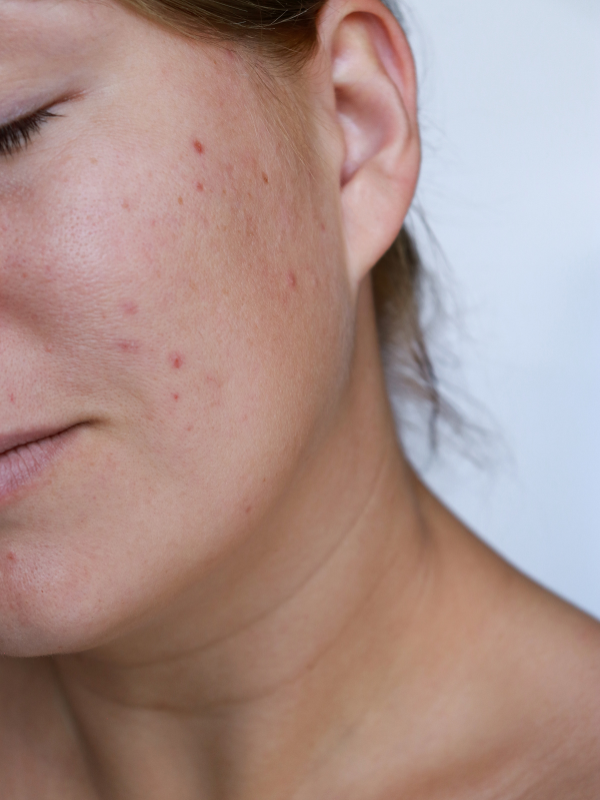
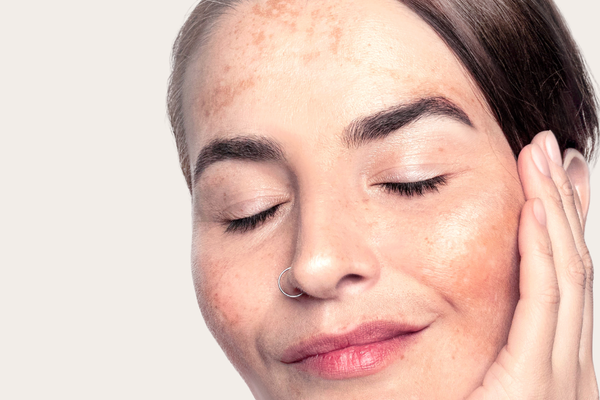
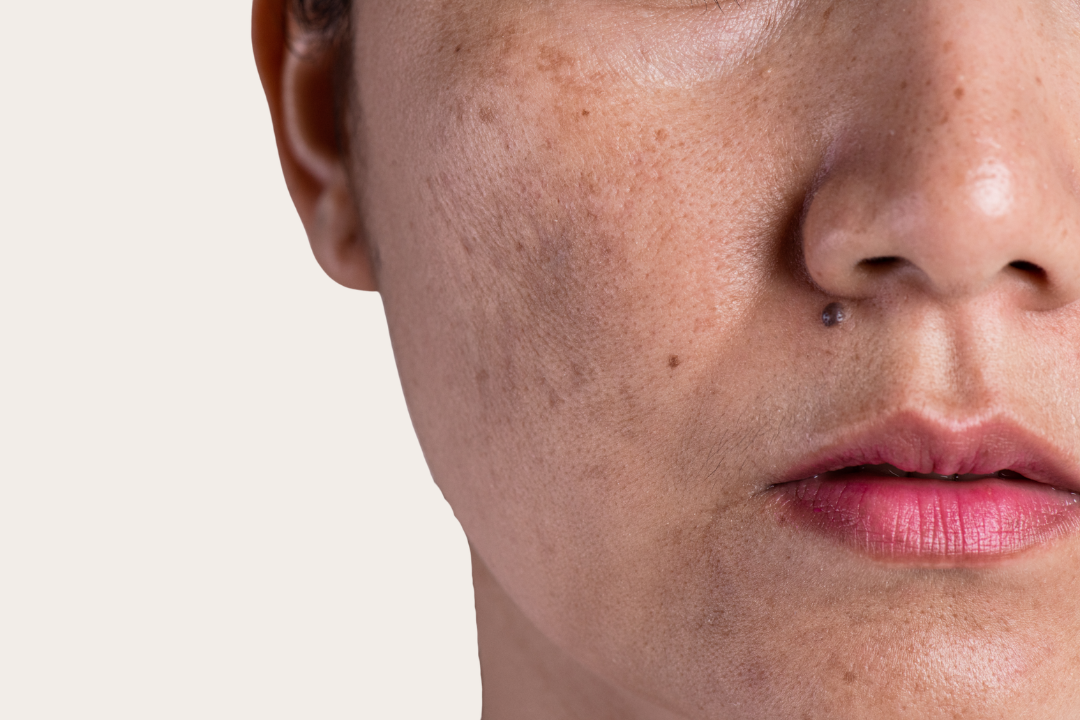
Dark spots are a type of pigmentation. They show as areas of skin that appear darker than the surrounding complexion. They can look brown, grey-brown, red-brown or deeper in tone depending on your skin tone and the cause of the pigmentation.
Dark spots can appear anywhere on the skin, but they are especially common on the face, neck, chest, shoulders and hands. These are the areas most often exposed to daylight, breakouts, inflammation and everyday environmental stress.
They can appear after a blemish, following sun exposure, during hormonal changes or after irritation to the skin.
What Is Hyperpigmentation?
So, what is hyperpigmentation? Put simply, hyperpigmentation happens when the skin produces excess melanin.
Melanin is the pigment that gives your skin its natural colour. When melanin production becomes overactive or uneven, it can leave behind darker patches or marks on the skin. This is what we commonly refer to as hyperpigmentation.
It can affect all skin tones, although it can look different from person to person. For some, it appears as small post-blemish marks. For others, it may look like larger patches of uneven tone, sun spots or areas of discolouration that become more noticeable over time.

Why Do Dark Spots Appear on the Face?
Dark spots can appear for a few different reasons. Understanding the cause matters because the best hyperpigmentation treatment will depend on what has triggered the pigmentation in the first place.
Post-Blemish Marks
One of the most common reasons for dark spots on the face is post-blemish pigmentation.
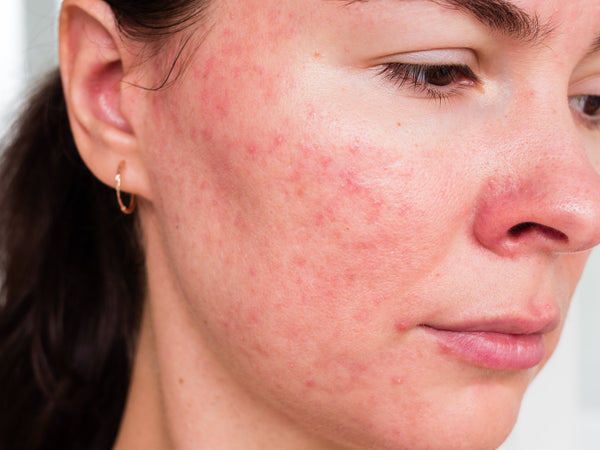
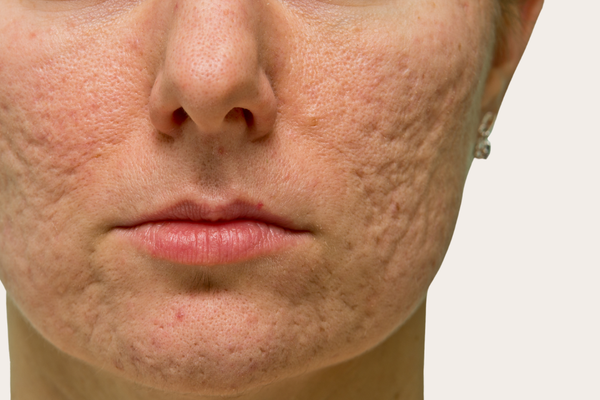
When a spot becomes inflamed, the skin can respond by producing extra pigment as it heals. This can leave a darker mark behind even after the blemish itself has disappeared.
Picking, squeezing or repeatedly touching blemishes can make these marks more likely to appear and more difficult to fade. The skin is already working hard to recover, so extra irritation can encourage pigmentation to linger.
Sun Exposure
Sun exposure is one of the biggest contributors to dark spots and uneven tone.
Sun spots are often linked to cumulative UV exposure, which means they can develop gradually over time. They tend to appear on the areas that see the most daylight, such as the face, neck, chest, shoulders and hands.
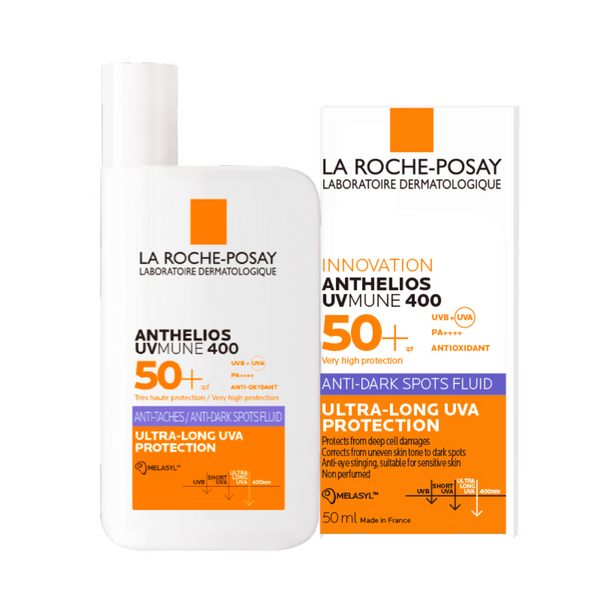
UV can also make existing pigmentation look darker. This is why SPF is such an important part of treating hyperpigmentation. Without daily protection, dark spots can become more noticeable, even if you are using brightening ingredients or professional treatments.
Hormonal Changes
Hormonal changes can also play a role in pigmentation, particularly with concerns such as melasma.
This type of pigmentation often appears as larger patches on the face and can be influenced by pregnancy or hormonal fluctuations.
Skin Inflammation or Irritation
Dark spots can also appear after inflammation or injury to the skin. This might include scratches, burns, over-exfoliation, irritation from strong active ingredients or treatments that have been too aggressive for the skin.
It is one of the reasons why going slow with active skincare matters. When the skin barrier feels compromised or reactive, pushing it harder is rarely the answer.
The Ingredients That Help Reduce Dark Spots
When it comes to how to reduce dark spots, the most effective skincare approach usually works in two ways: helping to minimise excess pigment production and supporting healthy skin renewal.
As Suzanne, Face the Future Skin Expert, explains:
“When treating pigmentation, I look for ingredients that help inhibit melanin production, alongside ingredients that support cell turnover. Niacinamide, vitamin A, vitamin C, arbutin and phloretin can all be useful ingredients to consider depending on the skin.”
Here are the ingredients worth knowing...
Vitamin C
Vitamin C is a brightening antioxidant that can help improve the look of uneven tone, dullness and visible discolouration.
It is often used in morning routines helping to support the skin against environmental stress while working on radiance and tone. For pigmentation-prone skin, it is a brilliant ingredient to consider when your complexion looks uneven.
Niacinamide
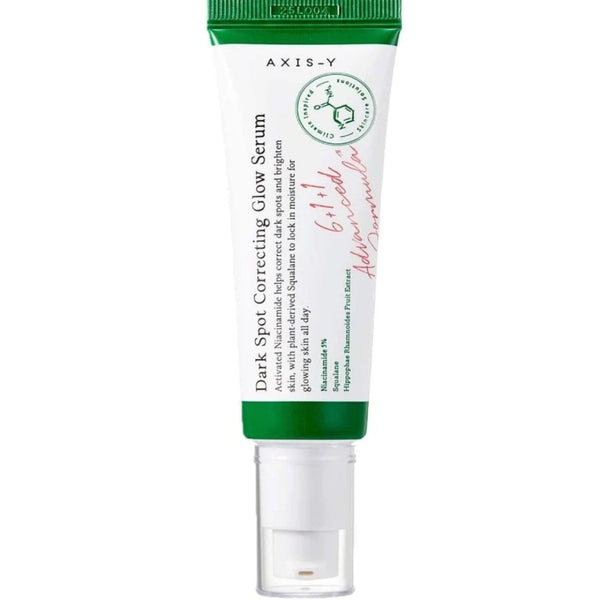
Niacinamide is a versatile ingredient that can support the skin barrier while helping to improve the appearance of uneven tone.
It is often well tolerated, which makes it especially helpful if your skin feels easily irritated or if pigmentation has appeared after breakouts. Because it supports the skin barrier, it can be a useful addition when you want to target dark spots without overwhelming your skin.
Does Retinol Help With Dark Spots?
Retinol, a form of vitamin A, helps support skin cell turnover. This means it can help improve the appearance of uneven tone, post-blemish marks and texture over time.
The important part is using it correctly. Retinol should be introduced gradually, especially if your skin is sensitive or pigmentation-prone. Too much too soon can irritate the skin, and irritation can sometimes make pigmentation look worse.
Arbutin
Arbutin is often used in formulas designed to target the look of pigmentation and uneven tone.
It is known for its brightening benefits and is commonly found in products created to help improve the appearance of dark spots. It can be a helpful ingredient if you are looking for a more targeted approach to discolouration.
Phloretin
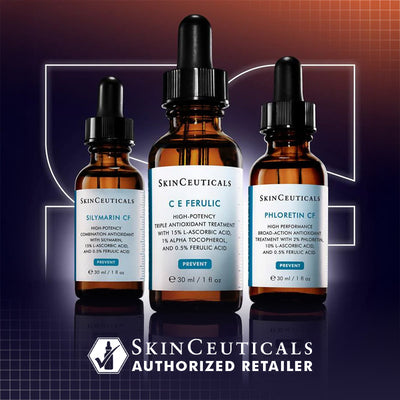
Phloretin is an antioxidant ingredient often found in advanced skincare formulas, including SkinCeuticals products.
It helps support the skin against environmental stressors, which can be especially useful when dealing with visible discolouration and uneven tone. In the right formula, it can be a strong addition to a pigmentation-focused routine.
Professional Treatments for Hyperpigmentation
Sometimes, skincare can make a visible difference on its own. Other times, pigmentation needs a more targeted treatment plan, especially if dark spots are older, deeper or not responding to at-home products.
Professional treatments such as skin peels and micro-needling can help improve the appearance of pigmentation when chosen carefully for your skin type, tone and concern.
Skin Peels for Hyperpigmentation
Skin peels can be used to support skin renewal and improve the appearance of uneven tone.
As Kimberley, Face the Future Clinic Manager, explains:
“Skin peels help with the turnover of the skin, but we also have different skin peels for different concerns, with ingredients in them to help suppress melanin.”
This is why professional guidance matters. Not every peel is right for every pigmentation concern, and the wrong approach can cause irritation. A skin expert can recommend the most suitable peel depending on the type of pigmentation, your skin sensitivity and your wider skin goals.
Microneedling for Dark Spots
Microneedling can also be considered for some types of pigmentation, particularly where dark spots are linked to post-inflammatory marks or uneven texture.
The treatment works by creating tiny controlled microchannels in the skin, supporting the skin’s natural renewal process. Over time, this can help improve the look of uneven tone and overall skin quality.
As with peels, microneedling should always be carried out by a trained professional, especially if your skin is prone to pigmentation.
You can shop hyperpigmentation products all approved by our experts on Face the Future.