7 Signs You Might Not Be Getting Enough Magnesium
Could you be running low on magnesium? From restless sleep and muscle cramps to fatigue and mood changes, discover seven signs worth paying attention to and what to do next.

7 Signs You Might Not Be Getting Enough Magnesium
By Megan Hallett, Registered Nutritional Therapist and Head of Nutrition at NOA · September
Magnesium deficiency rarely announces itself all at once. It tends to build quietly, showing up as a collection of small, easy-to-dismiss symptoms rather than one obvious sign. Here are seven worth paying attention to.
Why magnesium comes up so often in women's health
There is a reason magnesium gets mentioned so often when women talk about periods, PMS, stress and sleep. Magnesium contributes to normal psychological function and to the reduction of tiredness and fatigue, both of which can feel more pronounced in the days before a period. Hormonal fluctuations across the cycle also affect how the body uses and holds onto magnesium, which is part of why some women notice symptoms shifting alongside their cycle rather than staying constant.
Add ordinary daily stress into the mix, since the body uses more magnesium when it is under pressure, and it becomes easier to see why so many women end up running a little low without anything dramatic happening. This can shift again around perimenopause, as hormone levels change and sleep and mood often become more sensitive to what is going on nutritionally.
-
Muscle cramps or twitches, especially at night. Magnesium contributes to normal muscle function, so a shortfall can show up as restless legs or cramping calves after a long day.
-
Trouble winding down, or poor-quality sleep. Magnesium plays a role in supporting the nervous system, which is part of why so many women reach for it as part of an evening routine.
-
Fatigue that does not lift with rest. Magnesium contributes to the reduction of tiredness and fatigue and supports normal energy-yielding metabolism.
-
Headaches that keep recurring, particularly around your cycle.
-
Increased irritability or low mood in the run-up to your period. Magnesium contributes to normal psychological function.
-
Sugar or salt cravings that feel harder to manage than usual.
-
Tension that seems to sit in your shoulders, jaw or neck without an obvious cause.
Do these symptoms necessarily mean you're low in magnesium?
Not on their own, no. Cramps can come from dehydration or overtraining just as easily as from magnesium. Poor sleep has plenty of other culprits, from caffeine timing to stress to what is happening with your thyroid. Headaches around your cycle can be hormonal in a way that has nothing to do with magnesium at all.
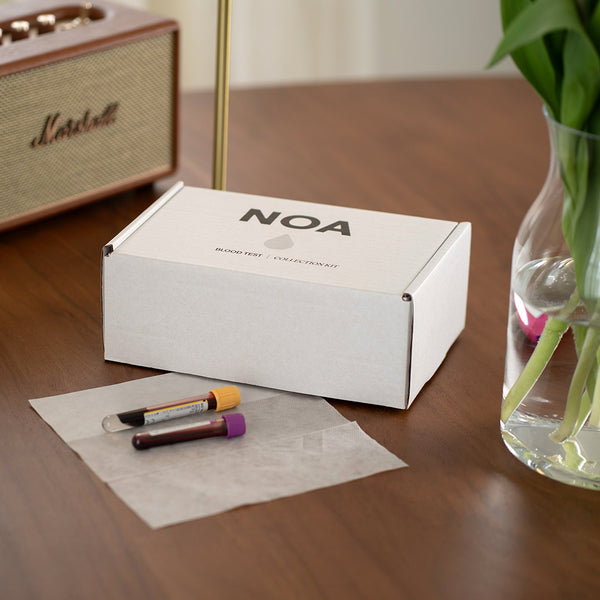
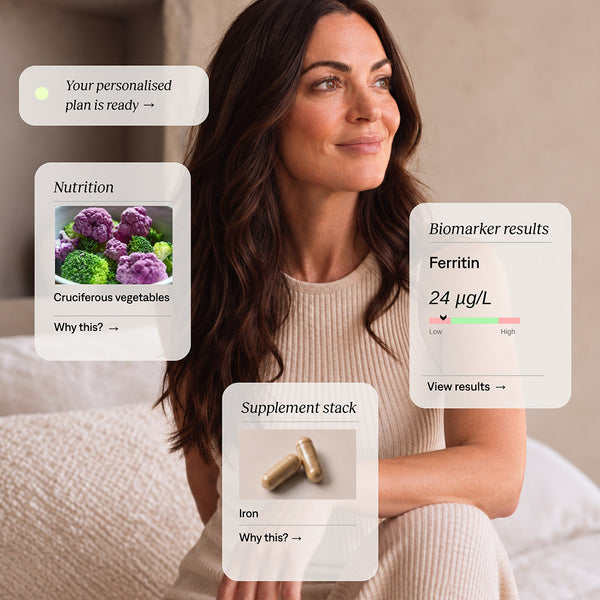
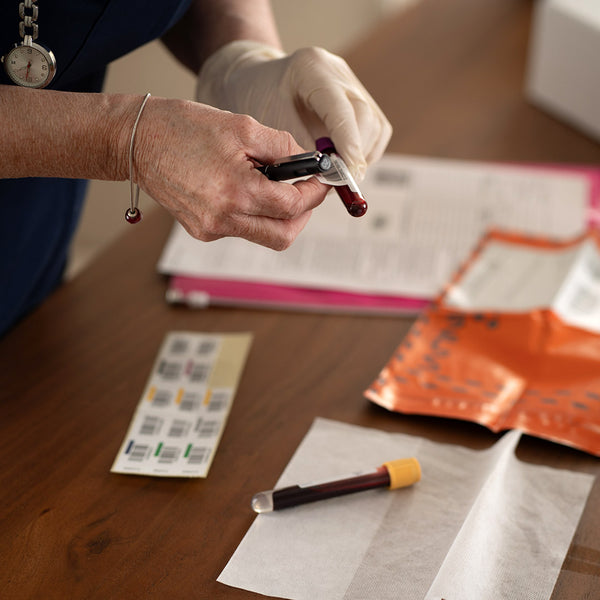
This is exactly why it is worth resisting the urge to self-diagnose from a symptom list, however tempting that is at eleven o'clock at night with a search engine open. Testing what can actually be measured, alongside a proper conversation about your symptoms, gives you a much clearer answer than guessing ever will, which is exactly what NOA's blood test and nutritionist consultation are there to offer.
What to do next
Diet is always the first place to look. Leafy greens, nuts, seeds and wholegrains are good natural sources, and small, consistent changes often make more difference than people expect.
Are you getting enough magnesium from your diet?
Spinach and kale, almonds and pumpkin seeds, brown rice and oats, and legumes like black beans and chickpeas are all good specific sources to reach for. A handful of pumpkin seeds added to breakfast, a swap from white rice to brown, or an extra portion of leafy greens at dinner are easy places to start, long before you need to think about a supplement.
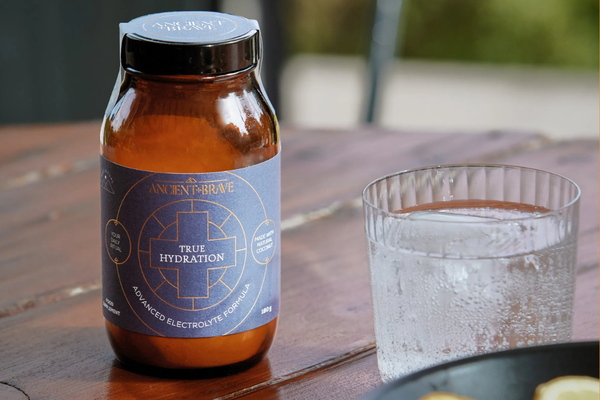
If you would like to add a supplement, DR.VEGAN Magnesium Supplement is a well-absorbed capsule option, while Dr. Vegan Magnesium Bath Flakes offer a relaxing way to build magnesium into an evening wind-down ritual.
Magnesium and sleep
Magnesium contributes to normal function of the nervous system, which is a large part of why it has become such a popular addition to evening routines. It will not switch off a racing mind on its own, but for a lot of women it fits naturally alongside the rest of a wind-down routine, whether that is a warm bath, dimmed lights or simply putting your phone down earlier. That is also why products like magnesium bath flakes tend to be marketed for evening use rather than any time of day.

Testing before guessing
Magnesium itself is not part of a standard blood test panel, but several of these symptoms overlap with things that are measurable, including thyroid function and blood sugar. If you are noticing a few of these signs together, it is worth talking to a nutritionist about the full picture rather than assuming magnesium is the only answer. A human conversation will always understand your specific situation better than an AI tool, especially given how much women's health research is still playing catch-up.
At NOA, our blood test and nutritionist consultation can help you build a plan around what your body actually needs, rather than reaching for a supplement and hoping for the best.