Menopause Is a Metabolic Transition: Why Your Body Starts Responding Differently
Why can metabolism, appetite and body composition feel different during menopause? Nutritionist Christine Bailey explains what’s happening and how to support your metabolic health through nutrition, movement and lifestyle.

Christine Bailey MSc RNutr, AFMCP is an award-winning Registered Nutritionist, Nutrition Education Manager at Metagenics, and Author of The Personalised Nutrition Guide to Menopause: Reset, Renew and Rebalance the Body and Mind
If you have noticed that your body seems to be changing during perimenopause or menopause, perhaps your waistline is expanding, hunger and cravings feel harder to manage, or your blood sugar seems less stable, you are not imagining it.
Menopause is more than a change in reproductive hormones (the messengers that control puberty and fertility). It is also a significant metabolic transition. As oestrogen declines, it can influence appetite regulation, insulin sensitivity, muscle mass, mitochondrial function and where the body stores fat. Understanding these changes can help shift your focus away from simply eating less and towards supporting metabolic health.
Metabolic health = how our body converts our food into energy and stores fat.
Oestrogen and your metabolism
Oestrogen receptors are found throughout the body, including the brain, liver, skeletal muscle, pancreas and adipose tissue, all of which play a role in our metabolic health. Oestrogen helps regulate glucose metabolism, fat distribution, muscle maintenance and mitochondrial function.
As our oestrogen levels decline, these metabolic processes can become less efficient, contributing to changes in our body composition and insulin sensitivity. This is one reason why the strategies that worked well in your 30s may not always produce the same results during the menopause transition.
Why appetite and cravings can change
Oestrogen also influences the brain pathways that regulate hunger and satiety. It affects hormones including leptin, which promotes feelings of fullness, and ghrelin, which stimulates hunger.
As oestrogen declines, satiety signalling can become less effective, and our hunger cues may become stronger. Add the sleep disruption that is common during perimenopause and menopause, and appetite regulation can become even more challenging.
This means that increased hunger or changes in eating patterns aren't necessarily a failure of willpower. There are genuine biological changes taking place.
Building metabolic resilience
Rather than responding to menopause with increasingly restrictive diets, a more sustainable approach is to support metabolic resilience.
- Prioritise protein-rich meals
- Choose fibre-rich and minimally processed carbohydrates
- Include a wide variety of plant foods
- Incorporate regular resistance training
- Movement, particularly around meals, can also support glucose regulation
Don't overlook sleep and stress. Both can influence appetite regulation and insulin sensitivity, so improving recovery can be an important part of the metabolic picture.
Targeted nutritional support can play a role.
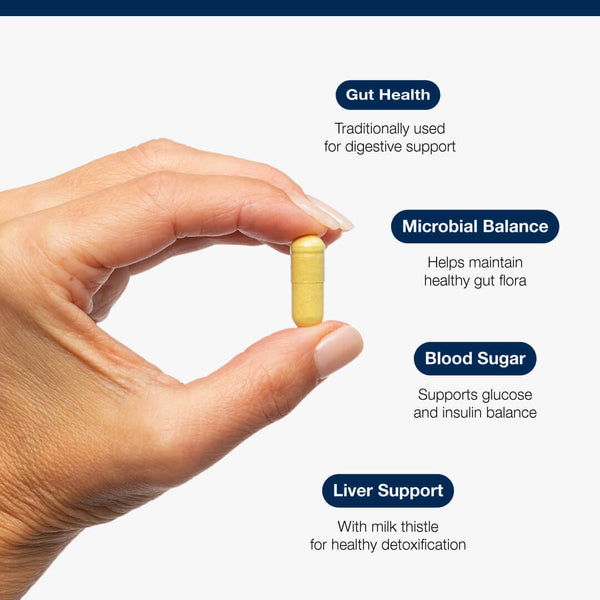
- Berberine has been studied for its effects on glucose metabolism and insulin sensitivity, including through activation of AMP-activated protein kinase AMPK.
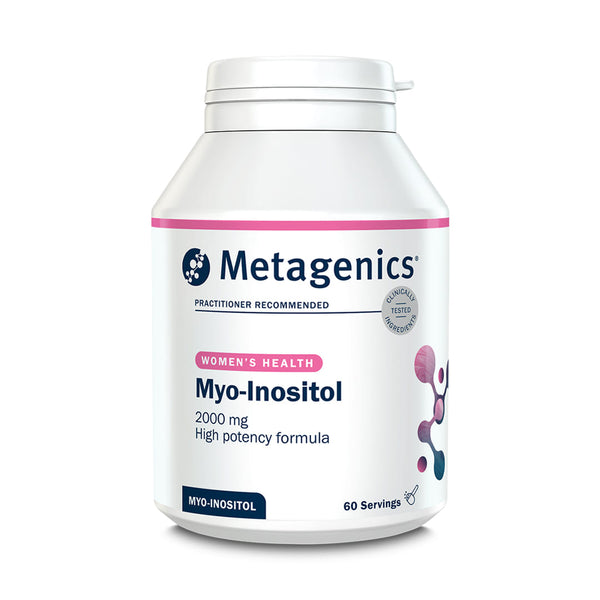
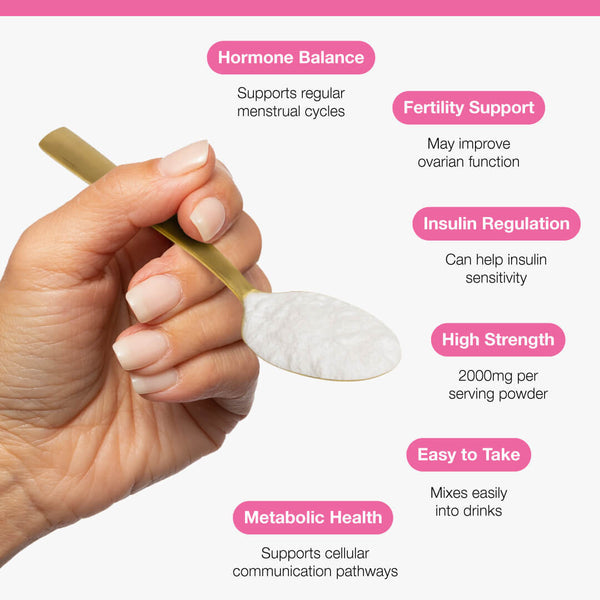
- Myoinositol acts as an insulin-sensitising second messenger and has been investigated in peri- and postmenopausal women with metabolic concerns.
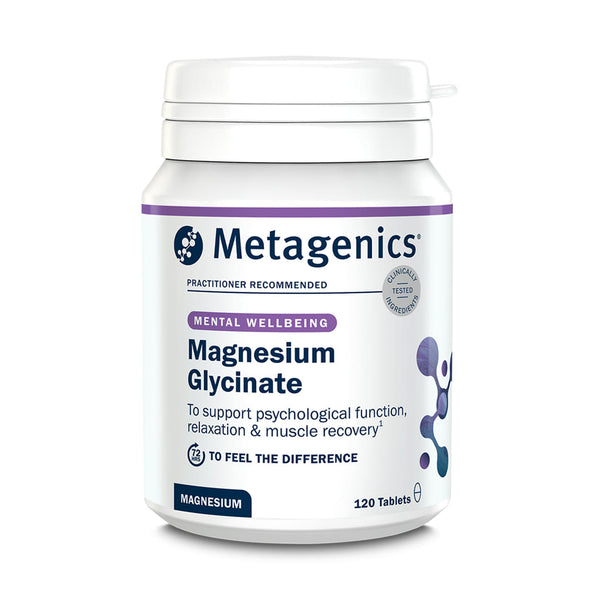
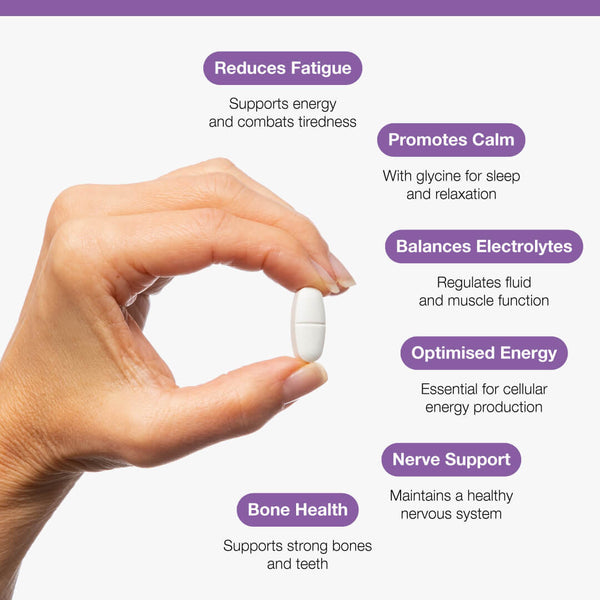
- Magnesium is also an important cofactor in glucose metabolism, with research suggesting potential benefits for insulin sensitivity, particularly where magnesium intake is inadequate.
These are useful supplements to consider alongside dietary and lifestyle changes.
Christine’s Top Supplements to Support

A new way to think about menopause
Menopause may change the metabolic landscape, but that doesn't mean metabolic decline is inevitable. Understanding the effects of declining oestrogen allows us to move beyond simply blaming ageing, calories or willpower. By focusing on muscle, insulin sensitivity, nutrition, movement, sleep and targeted nutritional support, we can take a more proactive approach to maintaining healthy body composition and long-term metabolic health.
Menopause isn't simply the end of reproductive function. It is a metabolic transition and supporting that transition can help women build resilience for the years ahead.
Sign up for our live webinar with Christine and join us on the 19th October at 1pm where you can ask her for advice and tips on how your nutrition can support you through menopause.