AU
AU
 AT
AT
 BE
BE
 BG
BG
 CA
CA
 HR
HR
 CY
CY
 CZ
CZ
 DK
DK
 EE
EE
 FI
FI
 FR
FR
 DE
DE
 GR
GR
 GG
GG
 HU
HU
 IE
IE
 IM
IM
 IT
IT
 JE
JE
 LV
LV
 LT
LT
 LU
LU
 MT
MT
 NL
NL
 NZ
NZ
 PL
PL
 PT
PT
 RO
RO
 SK
SK
 SI
SI
 ES
ES
 SE
SE
 US
US

Do You Really Need Electrolytes? An Expert Explains
Electrolytes are everywhere, but do you actually need them? NOA Founder Katie explains what electrolytes do and how to know when you might need them.

Electrolytes have quickly become one of those wellness words we see everywhere. They’re added to water bottles before a workout, packed into hand luggage for long flights, there the morning of a hangover, and increasingly kept close by for those days when water doesn’t quite feel like enough. But with all that attention comes a fair question: do we actually need them as often as social media would have us believe?
The answer comes down to what your body has been doing. Electrolytes play an essential role in everything from hydration to muscle function, but that doesn’t necessarily mean everyone needs to add an electrolyte powder to their water every morning. There are particular moments when replacing lost fluids and minerals can be useful, and plenty of ordinary days when your body is already managing things perfectly well by itself.
To help us understand the difference, we asked Katie, Founder of NOA, to explain what electrolytes actually do, the signs your body may need them and when they’re worth making part of your routine.
What Are Electrolytes?
Despite sounding quite scientific, electrolytes are simply minerals your body already depends on. They play an important role in keeping some of our most basic bodily functions running as they should.
As Katie explains:
“Electrolytes are minerals that carry an electrical charge once dissolved in fluid, and your body relies on them to keep basic functions ticking over. The main ones are sodium, potassium, magnesium, calcium and chloride.”
That electrical charge is what makes these minerals so useful to the body. Once dissolved in fluid, electrolytes help with processes taking place all the time, whether you’re running a marathon or sitting at your desk. This is also why talking about electrolytes purely in relation to exercise only gives us part of the picture. Their role begins long before we start sweating; what changes after exercise, heat or illness is how much of them we may lose alongside fluid.

What Do Electrolytes Do?
Hydration tends to dominate the conversation around electrolyte benefits, but their job is much broader. Your body constantly needs to regulate where fluid is held, while your nerves need to send signals and your muscles need to contract. Electrolytes are involved in all of those processes, with different minerals carrying out different jobs.
Katie explains:
“Electrolytes control fluid balance, so they determine how much water sits inside your cells versus outside them. Sodium and potassium also generate the electrical signals that let your nerves fire and your muscles contract, including your heart. Magnesium and calcium play a part in that muscle function too, alongside energy production and bone health.”
Understanding what electrolytes do also helps explain why we shouldn’t necessarily think of them as something that gives the body an extra boost. These minerals are already present and already working; an electrolyte drink is simply one way of replacing some of what can be lost when our fluid balance changes.
And that loss is the important part. On a normal day, when you’re eating, drinking and going about your usual routine, your body is continually regulating its own fluid and mineral balance. After a long, sweaty run or a period of significant fluid loss, however, the picture can look a little different.
How Do I Know If I Need Electrolytes?
It can be tempting to put every sluggish afternoon, headache or thirsty moment down to needing better hydration, especially now electrolyte drinks are so easy to reach for. Katie recommends looking beyond one symptom and thinking about what you’ve actually been doing beforehand. Have you exercised heavily? Spent a lot of time in the heat? Been unwell and lost more fluid than usual? That context can tell you much more.
“Cramping is usually the first thing people notice, along with a headache that won't shift or a wave of fatigue that doesn't match how much you've actually done. You might feel light-headed when you stand up, unusually thirsty, or just a bit foggy and off. These signs tend to show up after you've lost a lot of fluid through sweat, so think heavy exercise, heat, or a stomach bug.”
So, how do I know if I need electrolytes? Rather than treating one symptom as a definitive sign, think about it alongside the amount of fluid you’re likely to have lost. Feeling unusually thirsty and fatigued after a long session in the heat is a very different situation from reaching for an electrolyte sachet because you’ve hit the familiar mid-afternoon slump at your desk.
It’s also worth remembering that symptoms such as headaches, fatigue and light-headedness can have many causes. If something feels persistent, severe or unusual for you, seek appropriate medical advice rather than assuming electrolytes will solve it.
What Are The Best Electrolyte Drinks For Runners?
Running is probably where many of us first came across electrolytes, and it makes sense. The longer you exercise and the more you sweat, the more fluid you lose, particularly when warmer weather makes an already challenging session feel even tougher.
Katie specifically points to a long run as one of the occasions where electrolytes can earn a place in your routine. That doesn’t mean every jog needs to start and finish with an electrolyte drink, though. The duration of your run, the conditions you’re exercising in and how heavily you’ve been sweating all make a difference to how much fluid you may have lost.
When it comes to finding the best electrolyte drinks for runners, there isn't a simple, quick choice. What matters more is choosing something that works comfortably within your routine and recognising the sessions where replacing what you’ve lost is actually useful, rather than making it another compulsory step before every run.
Should You Take Electrolytes Every Day?
Once something finds its way into the wellness conversation, it can be surprisingly easy for an occasional extra to become an everyday rule. Electrolytes don’t necessarily need to fall into that category.
Katie is clear that for most ordinary days, adding them simply because you can isn’t particularly necessary:
“If you're at your desk for most of the day, your body is managing its own fluid and mineral balance perfectly well without help. Where electrolytes earn their place is on the days you're genuinely losing a lot through sweat, so a sauna session or a long run. Travel is the other one worth mentioning, since plenty of women find they feel noticeably better using electrolytes on flight days, even without the sweat trigger.”
The days Katie highlights are much more specific. A long run or sauna session gives us the obvious sweat trigger, while travel is an interesting exception. Flight days may not involve the same kind of physical exertion, but Katie notes that plenty of women find electrolytes help them feel better while travelling. Rather than thinking of them as an everyday essential, it can be much more useful to keep a few sachets on hand for the occasions when they genuinely fit what your body has been through.
Our Team’s Top Electrolyte Picks
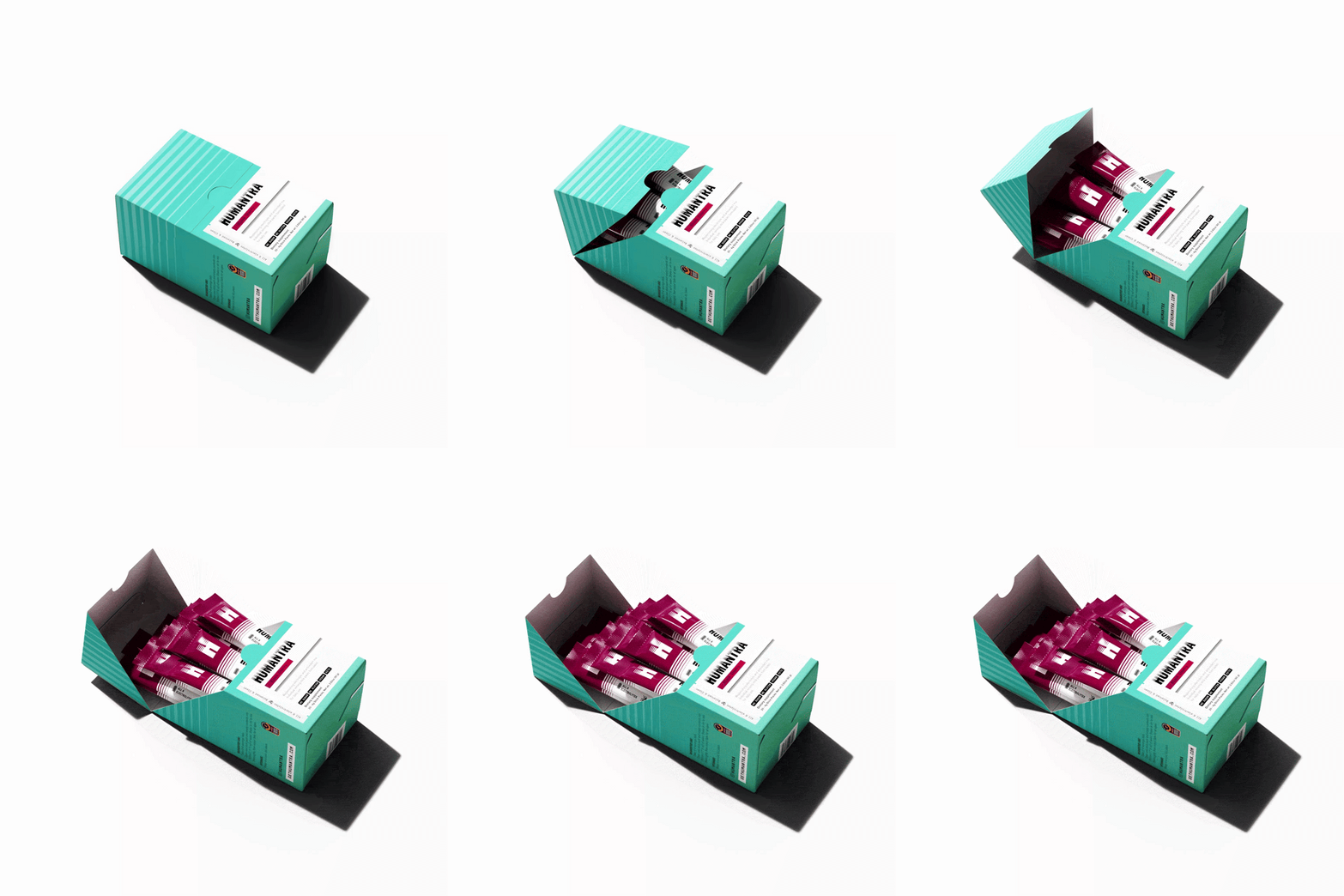
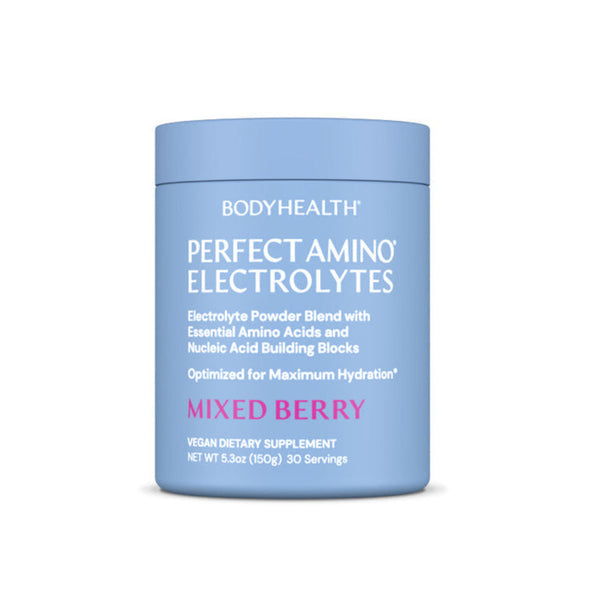
If electrolytes make sense for your routine, choosing a powder you’ll actually enjoy drinking can make keeping a few sachets on hand much easier. Our team has picked out their Face the Future favourites for everything from long runs and workout days to travel and those particularly sweaty sessions.
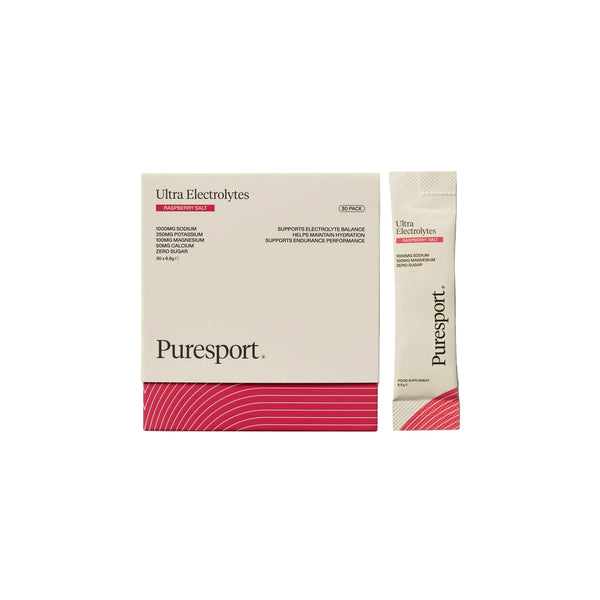
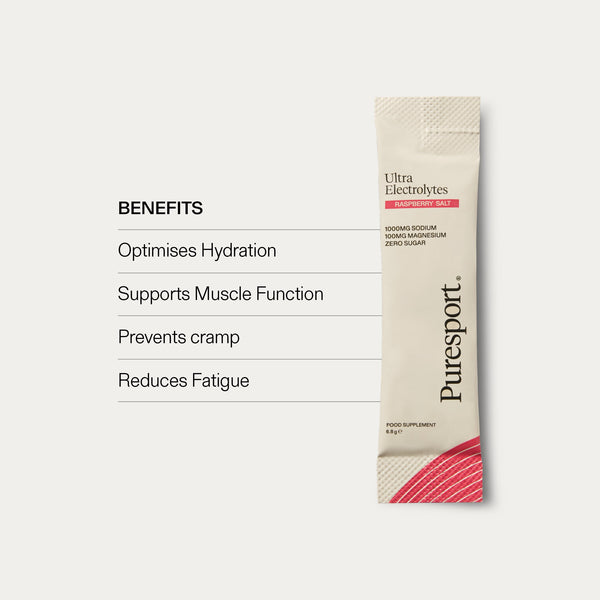
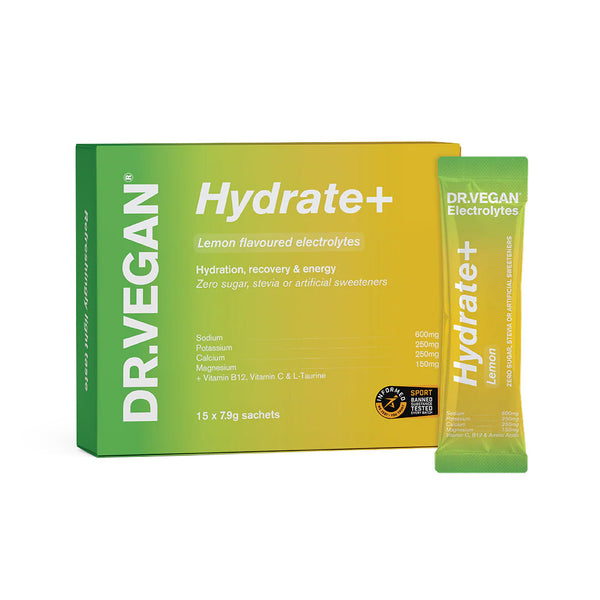

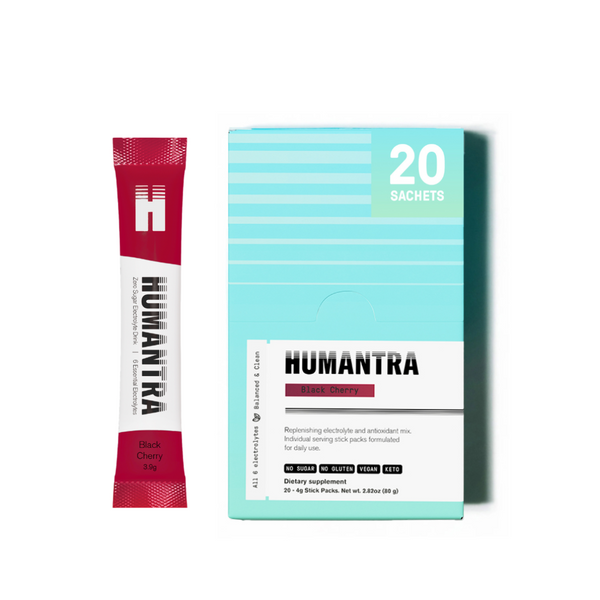
Shop electrolytes at Face the Future. Or, if you’d like to understand more about what your individual body needs, book with NOA for personalised guidance.