Bath Oils

Bath Oils and Aromatherapy Soaks for Softer Skin

If your skin feels a little tight after a bath, a bath oil is an easy thing to try. You pour a small amount into the running water, and the oil leaves your skin feeling softer when you step out. Many are scented with essential oils too, so the same bath doubles as an aromatherapy soak.

Quick filters

Sort by

Filter 2 products

Verden Herbanum Bath OilVerden Herbanum Bath Oil
Verden Herbanum Bath Oil

£85.00
Verden Arborealist Bath OilVerden Arborealist Bath Oil
Verden Arborealist Bath Oil

£85.00

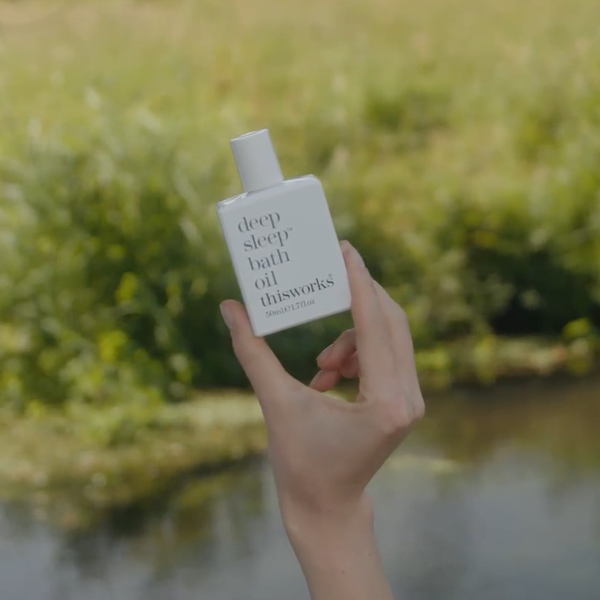
A hand holds a white rectangular bottle of thisworks Deep Sleep Bath Oil against a soft, blurred outdoor background of green grass and water.

About Bath Oils

How to Choose a Bath Oil

The base oil matters as much as the scent. Look for plant oils such as almond or avocado near the top of the ingredients list, as these are the oils that sit on your skin while you soak. Essential oils supply the scent, so pick one you'll enjoy for the length of a bath. Most bottles are 100ml, and a small amount goes in each bath, so one lasts longer than you might expect.

Making a Bath Oil Part of Your Routine

A bath oil is one part of how you look after dry skin. Your body cream and moisturiser still do the daily work, and the bath oil adds comfort on evenings when you have time to soak. If you'd like bubbles or salts in the water instead, our bath and self-care products cover both.

Not Sure Which Bath Oil Is Right for You?

Want advice tailored to your skin? Start with our free online skin test. You can also contact our expert team for one-to-one advice, and read our blog for expert tips on building a routine that supports your skin goals.
Aromatherapy Bath Oils for a Slower Evening

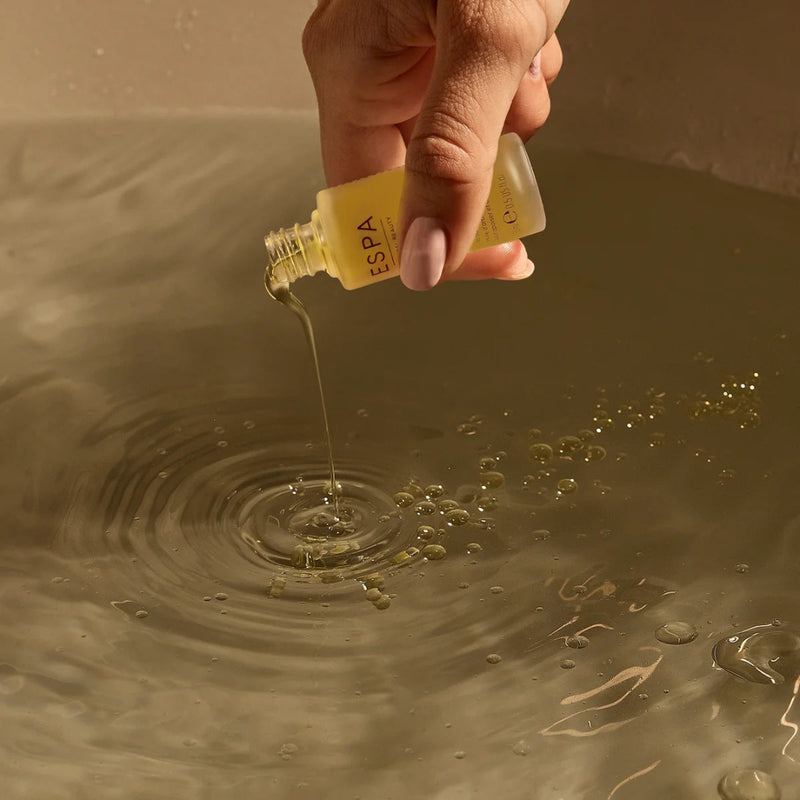
Scent is what sets these apart. ESPA's bath and body oils each have their own blend. Restful pairs lavender with clary sage for bedtime, while Positivity brings bergamot and sweet orange when you'd like something brighter. They share a base of plant oils such as avocado and sweet almond, and you can swirl any of them into the bath or use them as a massage oil.

shop espa

Multi-Vitamin Bath Oil for Softer Skin

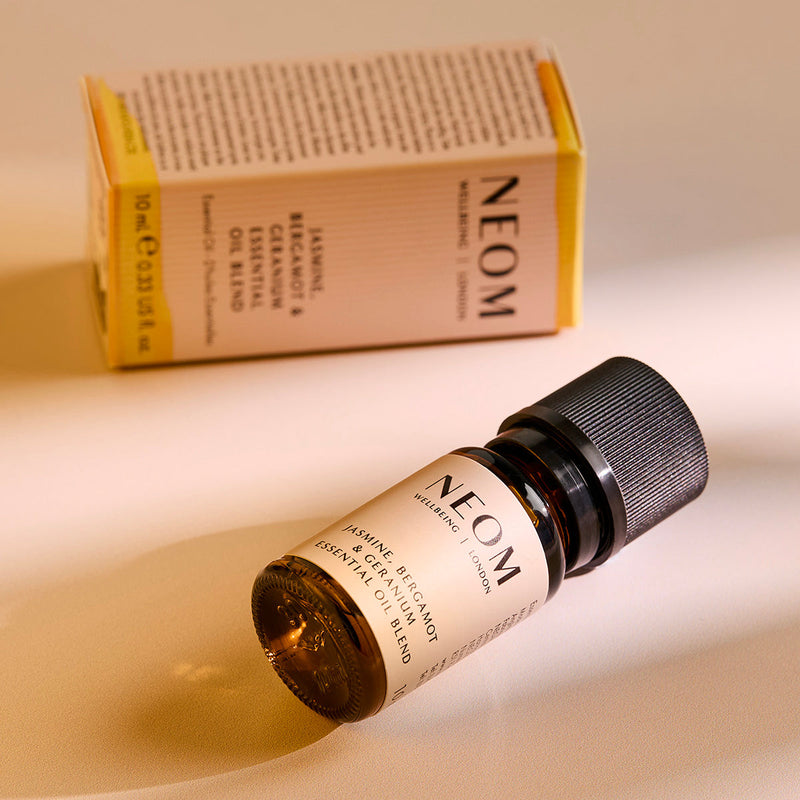
Want a bit more than scent from your bath oil? NEOM's Real Luxury Wellbeing Soak has five vitamins added, along with eight plant oils that include rosehip and jojoba. It's scented with natural oils such as lavender and jasmine, and NEOM says it leaves a thin veil across your skin that smooths and softens. Pour it under the running tap and soak for at least ten minutes.

shop neom

Bath Oils With a Natural Fragrance

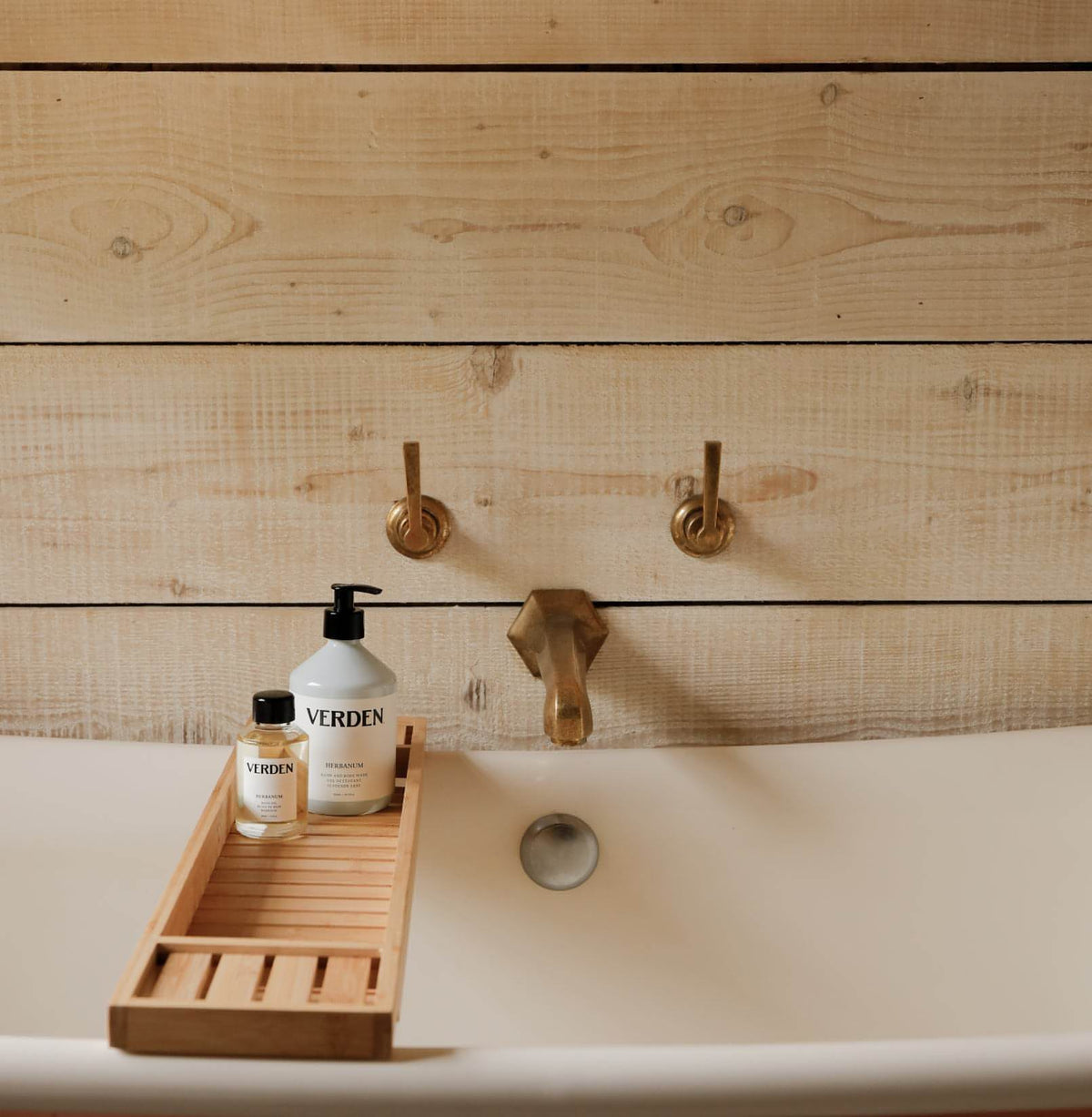
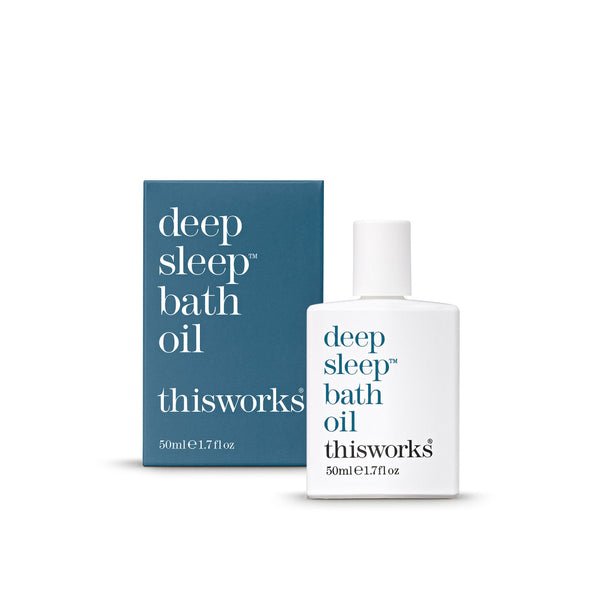
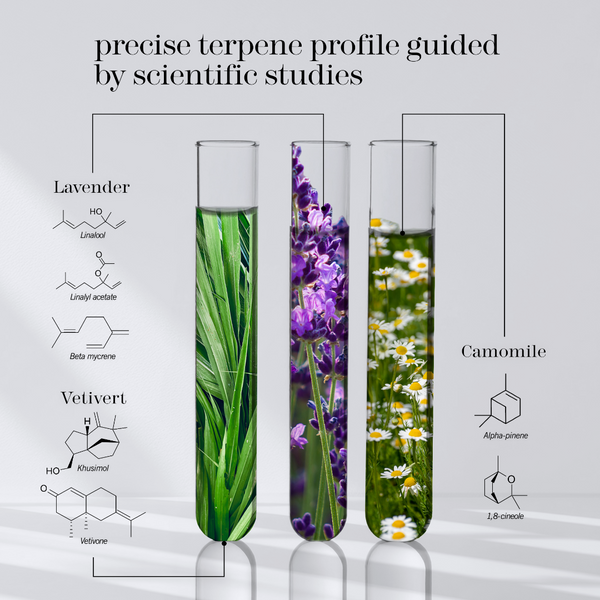
If you'd rather avoid a floral scent, Verden's two bath oils are worth a look. Herbanum is fresh and herbal, while Arborealist is woody with smoky greens. Both are 100% natural and enriched with passion fruit seed oil and grape seed oil. This Works Deep Sleep Bath Oil is the more traditional bedtime choice, a lavender and camomile blend where half a cap is enough for a full bath.

shop verden

Expert Tip for Bath Oils

"Use less than you think you need. Check the amount on the pack and start at the lower end. You can always add a little more next time if you want a stronger scent. If it's a new scent for you, dab a drop on the inside of your wrist first, as fragrance can irritate sensitive skin."

- Kimberley, Clinic and Customer Experience Manager.

take the free skin test

Frequently Asked Questions

Are bath oils good for dry skin?

They can be. A bath oil leaves a thin layer on your skin as you soak, so it feels softer and less tight when you get out. How much you notice depends on your skin and the oil you choose.

How much bath oil should I use?

It depends on the oil, so check the pack. For a full bath it ranges from half a cap to two or three capfuls. Pour it in under the running water so it spreads through the bath.

Can I use a bath oil as a body oil?

Some of them, yes. Oils sold as bath and body oils can be swirled into the bath or smoothed onto damp skin, and some people use them as a massage oil. A plain bath oil is made for the water, so check the pack before you put it straight on your skin.

Will bath oil make my bath slippery?

It can. The oil leaves a thin film on the water and on the tub, so take your time getting out and use a non-slip mat if you have one. A quick rinse of the tub afterwards helps too.

Can I put essential oils straight into the bath?

It's best to check first. Essential oils don't mix with water, so undiluted drops can sit on the surface and irritate skin. Some blends are made for diffusers or pulse points rather than the bath. A bath oil already has essential oils blended into a base oil, which makes it the easier choice.

Is bath oil OK for eczema or sensitive skin?

Ask your GP or pharmacist before you try one if you have eczema, as scented products can irritate skin that's already inflamed. Do a patch test on a small area first, and rinse off if your skin stings. If dryness is the main worry, you'll find more in our products for dry skin.

What's the difference between a bath oil and bath salts?

A bath oil is mostly about how your skin feels afterwards, as the oil leaves a soft layer behind. Bath salts dissolve in the water instead, and are more often chosen for tired muscles. You can browse our bath salts if that sounds closer to what you're after.

Which bath oil is best for a relaxing bath?

Look for an aromatherapy bath oil with lavender or camomile, which are popular for evening baths. Citrus and floral blends feel brighter. There isn't one best bath oil, so go by the scent you'll enjoy and how your skin feels afterwards.