AU
 AT
 BE
 BG
 CA
 HR
 CY
 CZ
 DK
 EE
 FI
 FR
 DE
 GR
 GG
 HU
 IE
 IM
 IT
 JE
 LV
 LT
 LU
 MT
 NL
 NZ
 PL
 PT
 RO
 SK
 SI
 ES
 SE
 US
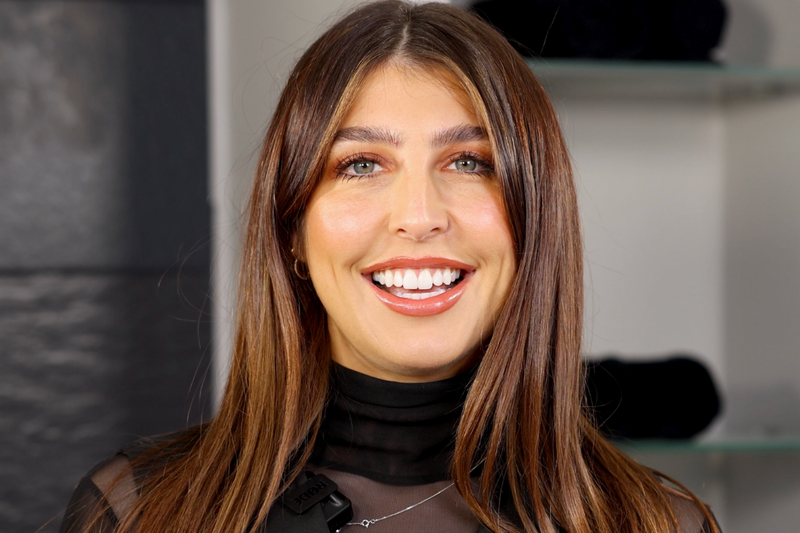
Dr Alexandra Kemp is an experienced Consultant Dermatologist working across both the NHS and private sector. With over 25 years of experience in dermatology, she has extensive expertise in the diagnosis and treatment of a wide range of skin conditions. Her specialist interests include skin cancer, skin lesion removal, and skin-ageing treatments. Dr Kemp is committed to delivering high-quality, patient-centred care and understands the significant impact that skin conditions can have on an individual's wellbeing and confidence. She regularly speaks at national meetings and conferences and is highly regarded by both her peers and patients for her clinical expertise, professionalism, and compassionate approach.
Dr Alex Kemp


Why you wanted to be a part of Face the Future's Dermatology panel?
"As a consultant Dermatologist, wife, mother of three and woman in my 50s, I understand how confusing it can be to navigate the often conflicting skincare advice we see online and on social media. I'm delighted to collaborate with Face the Future to share honest, straightforward and effective skincare advice, grounded in clinical evidence where available, to help people make informed choices about their skin at every age"
No results found
Why can mature and menopausal skin feel particularly uncomfortable during winter compared with younger skin?
As we age and hormonal levels decline, the skin naturally produces less oil and loses some of its ability to hold onto moisture. The skin also becomes thinner due to a reduction in collagen. During winter, cold air, wind and indoor heating can further dry out the skin, leaving it feeling tighter, itchier and more sensitive than younger skin. It's also worth remembering that the festive period can bring additional triggers for the skin. Changes to routine, increased stress, poor sleep, richer foods and higher alcohol intake can all influence the skin, potentially contributing to breakouts, flare-ups of conditions such as eczema or rosacea, and a dull or tired-looking complexion.
What impact can constantly moving between cold outdoor temperatures and heated indoor environments have on ageing or hormonally changing skin?
The skin's ability to adapt to environmental changes tends to decline with age. Moving repeatedly between cold outdoor air and warm, heated indoor environments can place additional stress on ageing and menopausal skin. These rapid changes in temperature and humidity can increase moisture loss, weaken the skin barrier and leave skin feeling drier, tighter and more sensitive. Some people may also experience increased redness, irritation or flare-ups of underlying skin conditions. Supporting the skin barrier with regular use of emollient-rich moisturisers and barrier-supporting ingredients can help lock in moisture and reduce discomfort during the colder months.The skin's ability to adapt to environmental changes tends to decline with age. Moving repeatedly between cold outdoor air and warm, heated indoor environments can place additional stress on ageing and menopausal skin. These rapid changes in temperature and humidity can increase moisture loss, weaken the skin barrier and leave skin feeling drier, tighter and more sensitive. Some people may also experience increased redness, irritation or flare-ups of underlying skin conditions. Supporting the skin barrier with regular use of emollient-rich moisturisers and barrier-supporting ingredients can help lock in moisture and reduce discomfort during the colder months.
During winter, are there any changes in the skin that people sometimes dismiss as ‘just seasonal’ but that you would advise getting checked?
While many people experience drier skin in winter, some changes shouldn't be dismissed as simply seasonal. A new rash, persistent itching, skin that becomes very red or inflamed, sores that don't heal, or a patch of skin that is changing in appearance or changing moles should be checked by a healthcare professional. If a skin problem isn't improving with regular moisturising or is affecting your quality of life, it's worth seeking advice rather than assuming it's just the colder weather.
About the Skin Health Alliance
We're the Skin Health Alliance: the world's leading independent skin health accreditation body. You may have seen our logo on some of your favourite skin and personal care products, which means they have been dermatologically approved by us for meeting our high standards of skin safety and efficacy.
Alongside our product accreditation, we also work with dermatologists, scientists and industry leaders to advance skin health education, support skin disease research, and build everyone's skin confidence.