Worth £405. Your For £79.99!
Glow On The Go Edit Is Here!
Your basket is currently empty.
At Face the Future, we are here to give you advice for life, supporting your skin and self-care journey at every stage. Acne is often thought of as something that only happens during the teenage years, but breakouts can affect your skin well into your 20s, 30s, 40s and beyond.
What changes with age is usually not the fact that acne appears, but why it appears, where it shows up, and how your skin responds to treatment. Teenage acne may be linked to puberty, excess oil and congestion, while adult acne can be influenced by hormonal changes, stress, lifestyle, skincare choices, perimenopause or a weakened skin barrier.
This guide explains the difference between teenage acne and adult acne, how to recognise common triggers, and how to build a balanced skincare routine that helps support clearer, calmer and more confident-looking skin.

Acne develops when pores become blocked with excess oil, dead skin cells and other impurities. This can lead to blackheads, whiteheads, inflamed blemishes, under-the-skin spots and post-acne marks.
While acne is common in teenagers, it is not always something you simply “grow out of”. Many adults continue to experience breakouts after their teenage years, and some people develop adult acne for the first time later in life.
The reasons can vary from person to person, but common acne triggers at different ages include:
The most important thing to remember is that acne is not a personal failing. It is a common skin concern, and the right routine should support your skin rather than overwhelm it.
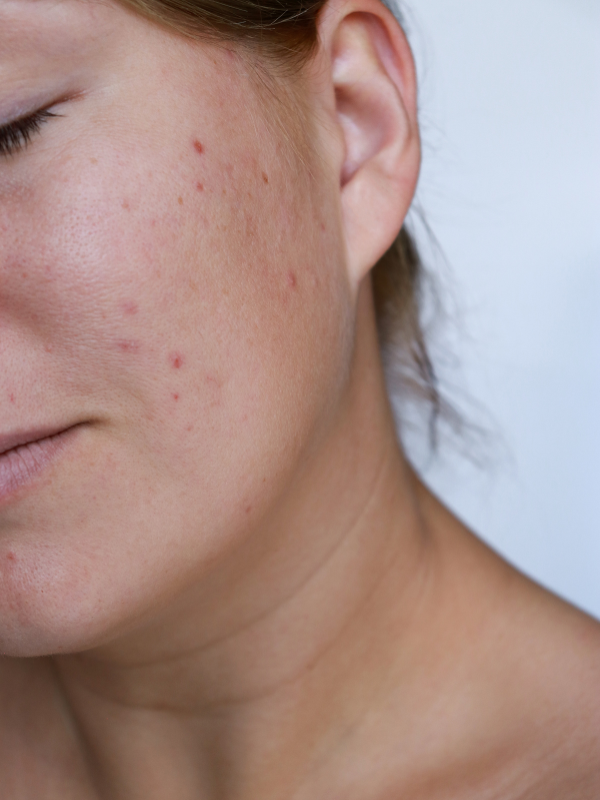
Teenage acne and adult acne can look similar, but they often behave differently.
Teenage acne is commonly linked to puberty, when hormonal changes can increase oil production. Breakouts may appear across the forehead, nose, cheeks, chin, chest or back, and the skin may feel oilier overall.
Adult acne is often more persistent and can be linked to hormonal fluctuations, stress, lifestyle changes, unsuitable skincare or changes in the skin barrier. It may appear around the chin, jawline and lower cheeks, although adult acne can still affect other areas of the face and body.
Teenage acne often involves:
Adult acne often involves:
Both teenage and adult acne benefit from consistency, patience and products chosen for your skin type, not just your age.

Teenage acne is often driven by hormonal changes during puberty. These changes can encourage the skin to produce more sebum, which is the natural oil that helps keep your skin comfortable. When excess oil mixes with dead skin cells, pores can become blocked and blemishes may appear.
Teen skin can also be easily thrown off balance by harsh or complicated routines. It can be tempting to use every acne product at once, but too many exfoliating acids, drying spot treatments or strong cleansers can leave the skin barrier feeling tight, sore or reactive.
If you are looking for teenage acne treatment, the best starting point is usually a simple routine that focuses on cleansing, treating, hydrating and protecting.
For teenage acne, look for:
Try to avoid:
A good teenage acne routine should help manage oil and breakouts while still keeping the skin comfortable.

Adult acne can feel especially frustrating, particularly if you expected breakouts to stop after your teens. It can continue from adolescence or appear later as late-onset adult acne.
In your 20s and 30s, breakouts may be influenced by stress, sleep, menstrual cycles, pregnancy, contraception, lifestyle changes and skincare products that no longer suit your skin. Adult skin can also be more prone to dehydration, sensitivity and post-acne marks, which means strong acne products may feel harder to tolerate.
In your 40s, 50s and beyond, acne can be linked to perimenopause and menopause. During this time, hormonal changes can affect oil production, skin comfort and resilience. Skin may feel drier or more sensitive while still experiencing breakouts, which means your routine may need to balance blemish control with hydration and barrier support.
Adult acne often needs a routine that supports:

Acne in your 30s is often linked to hormonal fluctuations, stress, lack of sleep and busy routines. Breakouts may appear around the chin, jawline and lower cheeks, and skin may feel dehydrated or more sensitive than it did in your teens.
At this stage, many people are also introducing more active skincare, such as exfoliating acids, vitamin C or retinoids. These can be helpful, but using too many actives together can leave the skin barrier compromised and make breakouts harder to manage.
In your 40s and 50s, acne may be linked to perimenopause or menopause. Breakouts can appear alongside dryness, sensitivity, redness, uneven tone and changes in skin texture.
This is where balance becomes especially important. Skin may benefit from ingredients that target blemishes, such as salicylic acid, azelaic acid or retinoids, but it may also need more hydration, ceramides, calming ingredients and daily SPF.

There is no single ingredient that works for every type of acne, but there are several well-loved options that can support blemish-prone skin when used correctly.
Salicylic Acid: Salicylic acid is a beta hydroxy acid, also known as a BHA. It is often used in skincare for oily, congested and acne-prone skin because it can help exfoliate inside the pore and support a clearer-looking complexion.
Niacinamide: Niacinamide is a supportive ingredient for many acne-prone routines. It can help skin look calmer and more balanced, while supporting the skin barrier. It is often a good option for oily, blemish-prone or uneven-looking skin.
Azelaic Acid: Azelaic acid can be a helpful option for blemish-prone skin, post-acne marks and visible redness. It is often chosen when skin needs a gentler-feeling approach to breakouts and uneven tone.
Retinoids and Retinol: Retinoids and retinol can support clearer-looking skin by encouraging skin cell turnover. They are often used in adult acne routines, especially where breakouts, texture and signs of ageing are all concerns.
Ceramides, Glycerin and Hyaluronic Acid: Hydrating and barrier-supportive ingredients matter more than many people realise. Acne-prone skin still needs moisture, especially if you are using active treatments. A comfortable, hydrated skin barrier can make your routine easier to stick to.

For teenage acne, keep the routine clear, consistent and easy to repeat.
Morning Routine
Evening Routine
If your skin feels tight, stings when you apply products, or looks more inflamed after starting a new routine, it may be a sign that you are doing too much. Take things back to basics and reintroduce active ingredients slowly.

Adult acne routines need to be targeted but kind to the skin. This is especially true if your skin is also dry, sensitive, stressed or showing early signs of ageing.
Morning Routine
Evening Routine
Adult acne is often where less really can be more. A focused routine used consistently will usually support your skin better than a shelf full of products that all promise quick results.

If your breakouts are painful, widespread, leaving marks, affecting your confidence or not improving with over-the-counter skincare, it may be time to seek personalised advice.
Our Skin Experts can help you understand which products may suit your skin type, age, routine and acne concerns, whether you are dealing with teenage acne, adult acne, hormonal-looking breakouts, post-acne marks, oily skin or sensitivity.
For tailored support, contact our expert team, explore more advice in our Skin & Self-Care Journal, or take our free online skin test to discover skincare that helps support clearer, calmer and more confident-looking skin at every age.
No results found
No. Acne is common in teenagers, but it can continue into adulthood or appear for the first time later in life. Hormones, stress, lifestyle, skincare choices, skin barrier damage, perimenopause and menopause can all play a role.
Teenage acne is often linked to puberty and excess oil production, while adult acne is more commonly influenced by hormonal fluctuations, stress, lifestyle changes and changes in the skin barrier.
Common ingredients for acne-prone skin include salicylic acid, niacinamide, azelaic acid and retinoids. Hydrating and barrier-supportive ingredients such as glycerin, hyaluronic acid and ceramides can also help keep the skin comfortable.
Yes, using too many strong active ingredients can leave the skin barrier feeling dry, irritated or reactive. This can make the skin feel more uncomfortable and may make breakouts harder to manage.
Yes. Oily skin can still become dehydrated. A lightweight, non-comedogenic moisturiser can help keep your skin barrier supported without feeling heavy or greasy.
Yes. Hormonal-looking acne can affect adults and may be linked to menstrual cycles, pregnancy, contraception, stress, perimenopause or menopause. It often appears around the chin, jawline and lower cheeks.
The best routine is one that suits your skin, but a good starting point is gentle cleansing, one targeted treatment, lightweight hydration and daily SPF. If your acne is persistent, painful or affecting your confidence, personalised advice can help.
Your Exclusive Deals & Offers
Free Obagi Gift!
shop now
Free Gifts With Purchase
Shop Now
Up To 35% Off Acne & Blemish Sale
save now
Glow On The Go Edit
SAVE NOW
Up To 20% Off Bioderma
save now
VAT Burn
Save Now
Save 15% On Your First Order
Download Here
Subscribe & Save For Up To 20% Off
save now