Worth £405. Your For £79.99!
Glow On The Go Edit Is Here!
Your basket is currently empty.
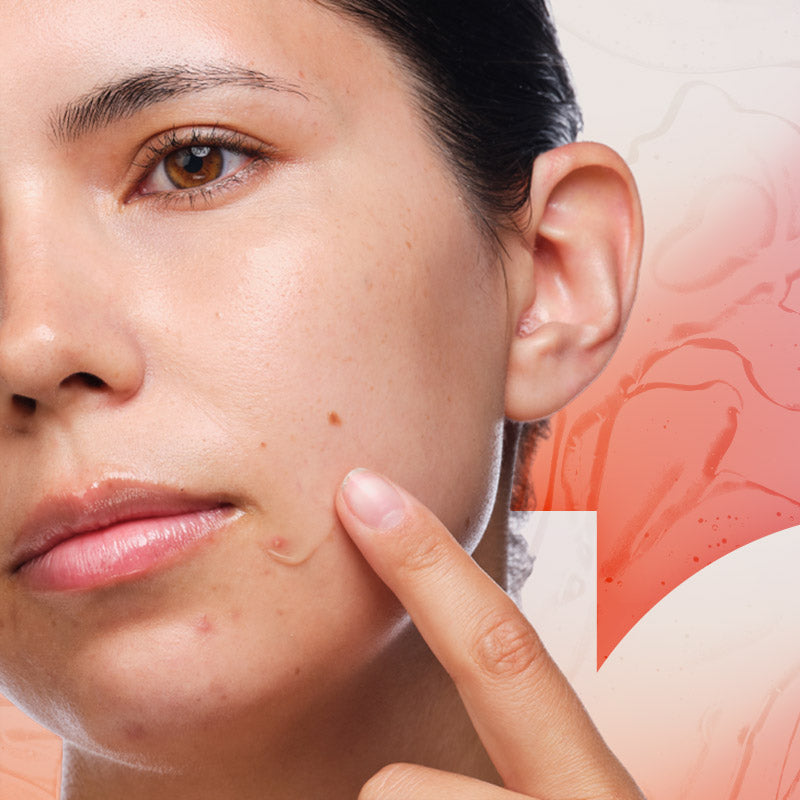
At Face the Future, we are here to give you advice for life, supporting your skin and self-care journey every step of the way. If you have acne-prone skin, sunscreen can feel like one of the trickiest steps to get right. Too rich, and it can feel heavy. Too matte, and it may feel drying. Skip it altogether, and your skin is left more vulnerable to UV damage, post-acne marks and sensitivity.
However, this guide handily explains why SPF matters for your blemish-prone skin, how to choose the right sunscreen texture, and crucially, how to layer it with moisturisers and acne treatments in a way that feels simple, comfortable and consistent.

Acne-prone skin often needs support in two directions: treating active breakouts and protecting the skin as it heals. And what’s important to note is that sunscreen plays a key role in that second part.
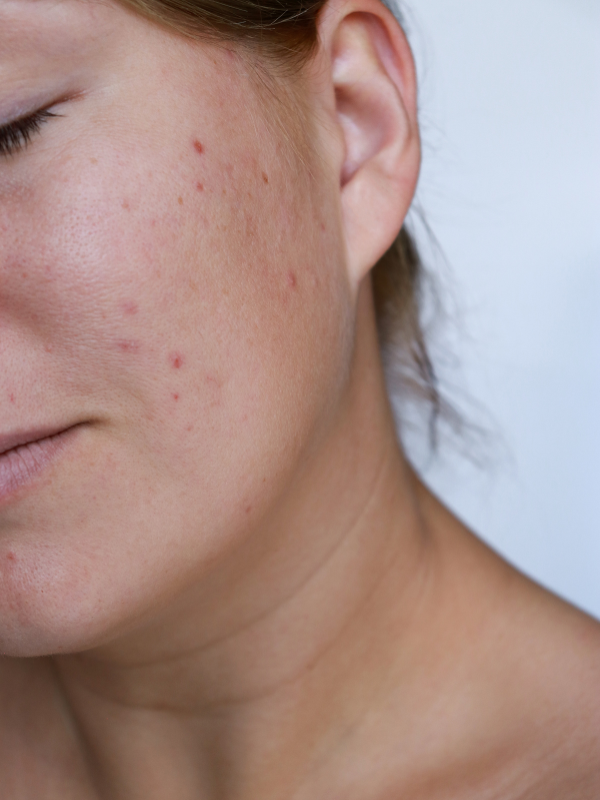
When blemishes clear, they can leave behind red, brown or purple-looking marks. These marks are not always acne scars; often, they are post-inflammatory pigmentation or post-inflammatory redness. On top of this, UV exposure can make uneven tone look more pronounced, which is why SPF is so important if you are trying to improve the appearance of post-acne marks.
SPF also matters because many acne routines include active ingredients. Retinoids, exfoliating acids and benzoyl peroxide can be very useful for managing breakouts, but they can also leave the skin feeling dry, delicate or more reactive. Daily sunscreen helps protect your skin while your treatments still do their work.
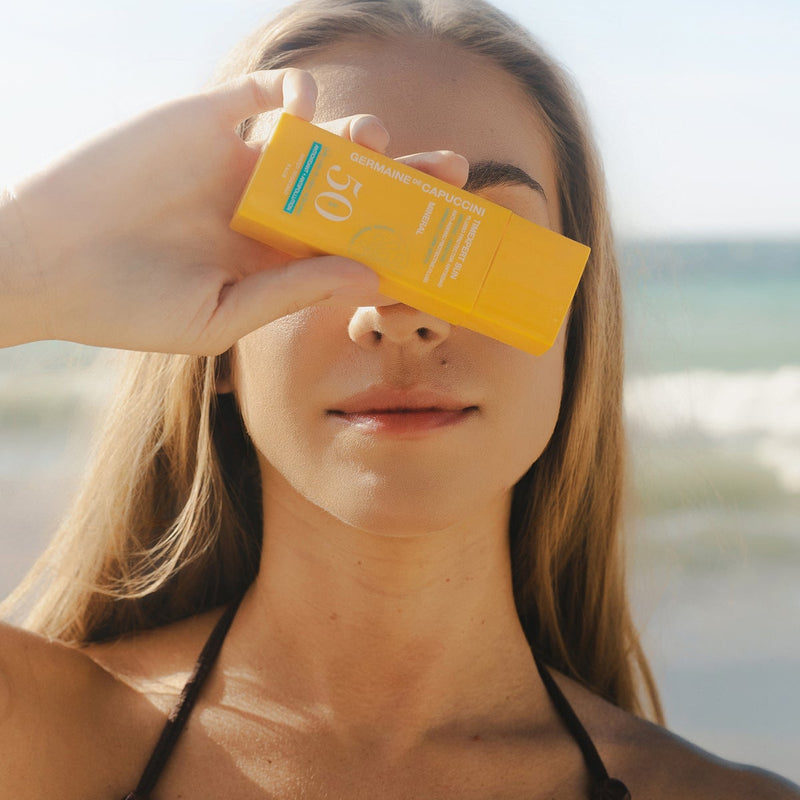
When choosing sunscreen for acne-prone skin, start with how your skin feels day to day.
If your skin is oily, look for:
If your skin is sensitive as well as acne-prone, look for:
If your skin is dehydrated from acne treatments, look for:
The right formula should feel like part of your routine, not something you have to force yourself to wear.

Acne-prone skin can be very individual, so what causes congestion for one person may be tolerated well by another. As a general rule, avoid sunscreens that feel too heavy, greasy or difficult to cleanse away if you know your skin is easily congested.
You may also want to be cautious with strongly fragranced formulas if your skin is sensitive or inflamed. For oily or breakout-prone skin, rich balm-like textures may feel too occlusive for daily facial use, although they can still work well on the body or drier areas.
Rather than focusing only on what to avoid, pay attention to how your skin behaves. If a sunscreen consistently leaves your skin feeling congested, shiny, uncomfortable or irritated, switch to a lighter non-comedogenic option designed specifically for oily or blemish-prone skin.
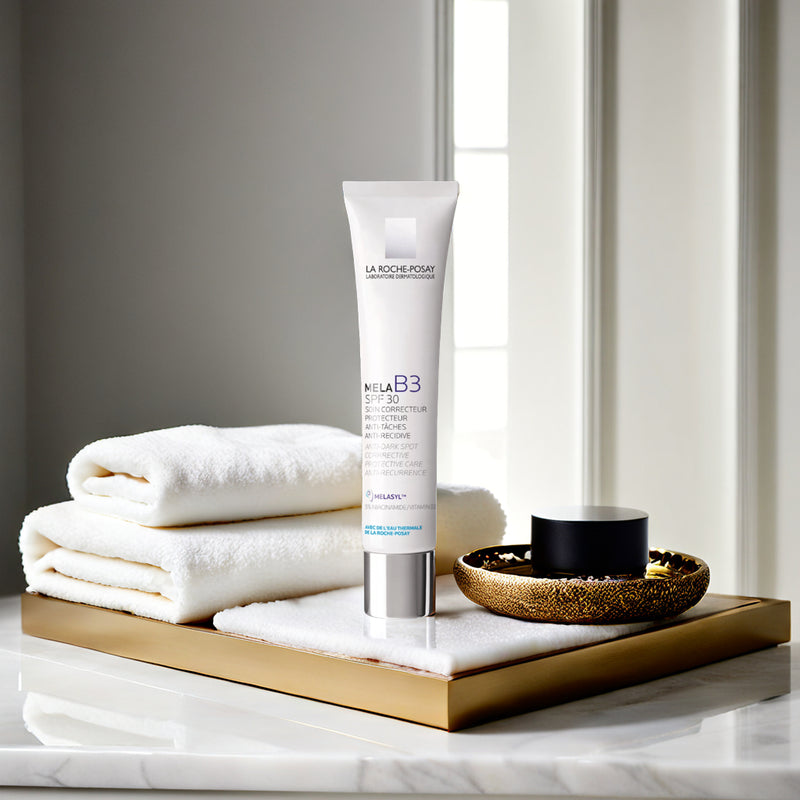
Our collection of SPF products for acne-prone skin includes a range of expert-approved sunscreens suited to oily, combination, blemish-prone and acne-prone skin.

There is no single correct answer here when choosing between sunscreen, moisturiser or an SPF moisturiser, because it depends on your skin.
For example, if you have oily skin, you may find that a hydrating SPF gives you enough moisture in the morning without needing a separate moisturiser. If your skin feels tight, flaky or sensitised, you may prefer to apply a lightweight non-comedogenic moisturiser first, then SPF on top.
SPF moisturisers can be helpful for daily routines, but they still need to be applied generously enough to offer proper protection. If you tend to use only a small amount of moisturiser, a dedicated sunscreen may be a better option.

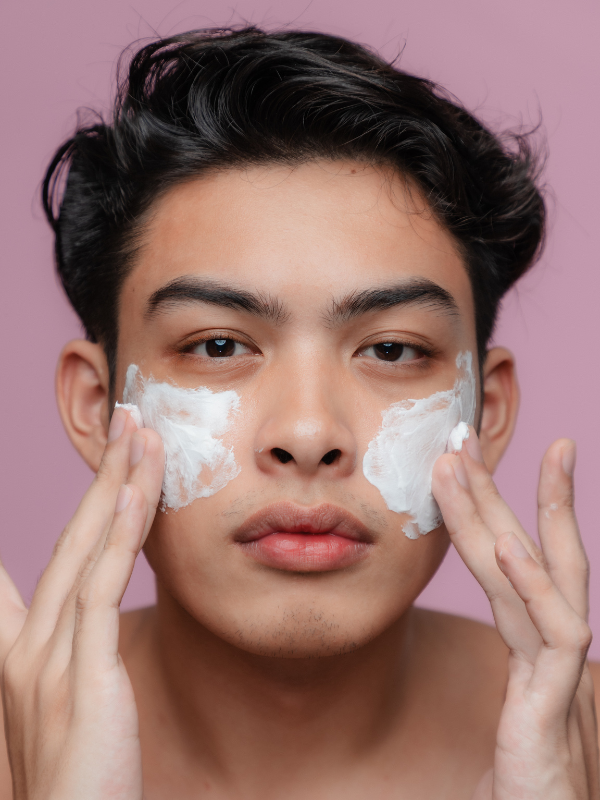
A simple morning routine is usually best when layering your SPF. Some helpful tips on how to layer SPF with acne treatments include:
Some acne treatments are better suited to night-time use, especially retinoids. If you use prescription or clinic-recommended treatments, follow the advice you have been given. The main rule is to avoid overcomplicating your morning routine, because SPF should be the protective final step for your skin.

There are also some common mistakes that can be made when using SPF as part of your daily routine. Things to avoid include:
Consistency is what makes SPF effective. A formula that feels comfortable every day will usually serve your skin better than a product you only use occasionally.

Still unsure which sunscreen is right for your blemish-prone skin? Our Skin Experts are here to help you find an SPF that fits comfortably into your routine, whether you are dealing with excess oil, sensitivity, post-acne marks, dehydration from treatments or active breakouts.
For tailored support, contact our expert team, explore more advice in our Skin & Self-Care Journal, or take our free online skin test to discover skincare that helps keep your complexion protected, balanced and confident every day.
Your Exclusive Deals & Offers
Free Obagi Gift!
shop now
Free Gifts With Purchase
Shop Now
Glow On The Go Edit
SAVE NOW
Up To 35% Off Summer Prep Sale
save now
20% Off iS Clinical
save now
33% Off Eucerin
shop sale
Up To 35% Off FOREO FAQ
Shop Now
Up To 35% Off Gatineau
save now
VAT Burn
Save Now
Save 15% On Your First Order
Download Here