PCOS | What is PCOS?

Enhance Everyday Wellbeing with PCOS Supplements

Curated by our wellness experts, our PCOS or PMOS supplements are designed to support you and your cycle. While supplements are not intended as a cure or to replace any medical care, they can become a supportive part of an overall hormonal wellbeing routine.

PCOS, now known as PMOS, can affect much more than your cycle. Whether you're looking to support your cycle, skin, fertility, energy, or long-term wellbeing, our curated PCOS supplement collection has been designed to help you feel supported and confident in your routine.

Sort by

Filter 4 products

Brand
Product Type
Suitable For
Key Ingredient
Price
£
£
Availability
Coming Soon
Metagenics Berberine 250 120 CapsulesMetagenics Berberine 250 120 Capsules
Metagenics Berberine 250 120 Capsules

From £37.79
£41.99
Coming Soon
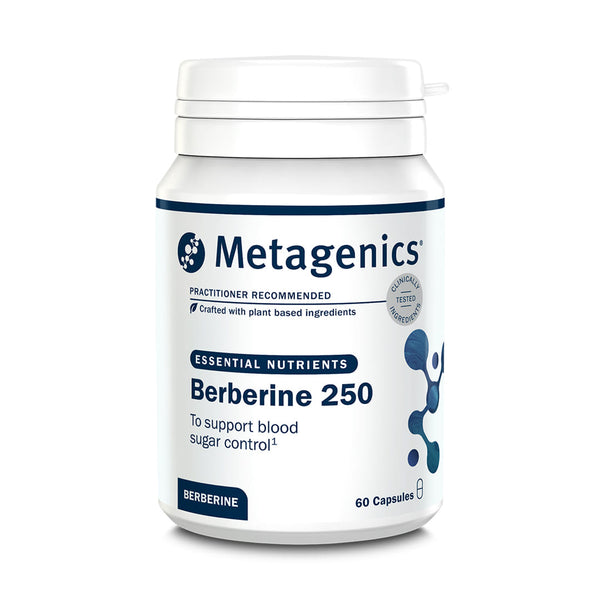
Metagenics Berberine 250 60 CapsulesMetagenics Berberine 250 60 Capsules
Metagenics Berberine 250 60 Capsules

From £22.50
£25.00

Finally Understand Your Body, So You Can Support It Better​

With expert led, personalised plans, discover what your body actually needs. Because your body deserves more than generic advice​

Start your journey
Coming Soon
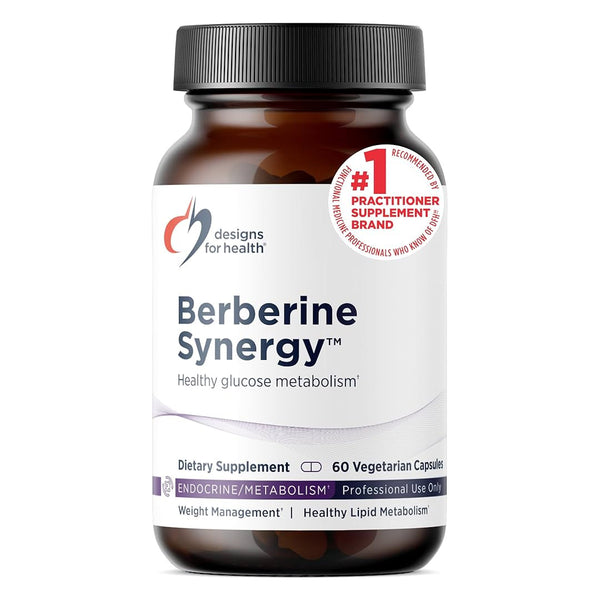
Designs for Health Berberine Synergy 120 Capsules

From £38.60
£48.25
Coming Soon
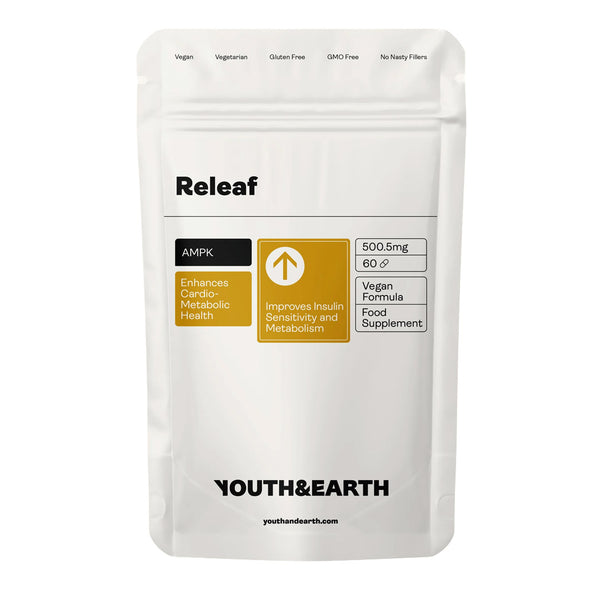
Youth & Earth Releaf Berberine+ 500.5mg 60 Capsules

From £28.79
£35.99

PCOS | What is PCOS?

About PCOS | What is PCOS?

PCOS stands for polycystic ovary syndrome. This is a common condition affecting so many women in the UK alone. PCOS can affect how the ovaries work, with the three main features being:

  • irregular periods
  • higher levels of androgen hormones
  • polycystic ovaries

If you have two of these symptoms, you may be diagnosed with PCOS. It is a hormonal and metabolic condition that affects everyone differently, so you can have PCOS without having polysystic ovaries. 

Symptoms of PCOS may include:

  • irregular or absent periods
  • difficulty getting pregnant
  • excess facial or body hair
  • weight gain
  • thinning hair
  • oily skin or acne-prone skin

What Are The Benefits of PCOS Supplements?

Support your hormonal wellbeing: PCOS is closely connected with hormonal changes, which can include higher androgen levels for some people. Higher androgen levels refer to an excess of sex hormones such as testosterone, which can cause unwanted symptoms. Hormonal balance formulas are designed to help you feel supported and like yourself - all month.

Supports cycle-focused routines: Many women within our community who have PCOS or PMOS experience irregular or absent periods. Ingredients such as myo-inositol, folate or folic acid, vitamin D and magnesium can be helpful additions to hormone-focused routines.

Supports your skin confidence: Oily skin, acne-prone skin, and skin that feels congested are common concerns for many people with PCOS, so a skincare supplement-focused routine can help alongside a routine for hormonal acne.

Supporting fertility and preconception wellbeing: As PCOS can affect ovulation, which may make it more challenging to conceive, we'd recommend taking supplements such as myo-inositol, folic acid, CoQ10, and omega-3 as part of a supportive prenatal routine.

Key Ingredients for PCOS Routines: What Supplements Do I Need?
Myo-Inositol: This is one of the most popular ingredients in PCOS supplements, it helps to support cycle regularity, hormone-focused wellbeing and metabolic balance.

D-Chiro Inositol: Another form of inositol, this pairs well with myo-inositol in some PCOS-focused formulas.

NAC: NAC, or N-acetyl cysteine, is a powerful antioxidant-supporting ingredient that is suggested for those with PCOS. NAC for PCOS is a popular option as it's shown to significantly improve ovulation and pregnancy rates in women with PCOS.

Folic Acid or Folate: If you are trying to conceive, folic acid or folate is an important part of fertility, preconception, and PCOS supplement routines.

The Science Behind Supplements

PCOS supplements work because they help to support the nutritional foundations that your body relies on for hormone cycle, skin and metabolic wellbeing. As with all supplements, they should be part of a supportive routine that includes a healthy diet, exercise, and a form of stress management that works for you.

As PCOS is connected with insulin resistance, hormone fluctuations and higher androgen levels, many PCOS supplement formulas focus on key nutrients that support your metabolism, antioxidant protection, fertility and overall hormonal wellbeing.

While PCOS supplements can certainly be beneficial and supportive for many women, they're not a replacement for medical guidance, so if you're ever unsure, it's important to seek guidance from your GP.

PCOS and Skin Health

At Face the Future, we understand how much skin changes can affect your confidence and make you feel out of control.

If you have PCOS or PMOS, and you're dealing with skin care issues as a result, there are a number of hydrating and balancing skincare products that could help. It's important to stick to light, moisturising formulas that won't strip your skin of essential oils that it needs to stay healthy, as this could aggravate your skin.

Look for products that contain salicylic acid and vitamin A to help gently resurface and exfoliate the skin. Treatments such as Hydrafacial may also help to unblock your pores and minimise breakouts. As well as topical skincare, supplements for PCOS and skincare supplements can help you to feel more in control.

Understanding the Name Change: From PCOS to PMOS

You may start to notice PCOS being referred to as PMOS. The name is being updated to better reflect the condition as a whole-body hormonal and metabolic condition, rather than something that affects the ovaries specifically.

PCOS = Polycystic Ovary Syndrome
PMOS = Polyendocrine Metabolic Ovarian Syndrome

The new name helps better represent everyone, as not everyone with PCOS suffers from ovarian cysts. At Face the Future, we'll continue to use PCOS where helpful, as it's still used by many of our community, while also recognising the move towards PMOS.
Whatever name you choose to use, PCOS or PMOS, we can help you build a wellness routine that helps you to feel supported and seen.

If you're ever unsure, don't hesitate to reach out to our wellness or skincare experts for guidance.

Frequently Asked Questions

WHAT DOES PMOS MEAN?

PMOS stands for Polyendocrine Metabolic Ovarian Syndrome, which is the updated name for PCOS. It is a complex, hormonal disorder, often characterised by hormone issues, insulin resistance and issues with ovulation.

WHAT ARE PCOS SUPPLEMENTS?

PCOS supplements are formulas designed to support hormone, cycle, skin, fertility and metabolic wellbeing, specifically curated by our wellness experts to support those with PCOS or PMOS.

WHAT CAUSES PCOS?

The exact cause of PCOS is unknown; some medical experts agree that the condition stems from a combination of factors, including genetics, environmental factors, and hormonal imbalances.

DO PCOS SUPPLEMENTS WORK?

PCOS supplements can support your nutritional foundations, but they cannot cure PCOS or replace medical care; however, they can be a supportive addition to your wellness routine.

HOW TO MANAGE PCOS?

While there is no cure for PCOS, it can be managed through personalised lifestyle changes, targeted medications, supplements, and a routine of monitoring your metabolic health.


The best place to start when learning how to manage PCOS is with guidance from your healthcare provider.

WHAT IS THE BEST SUPPLEMENT FOR PCOS?

There is no single best supplement for everyone with PCOS, as everyone has different needs and symptoms. Many people look for myo-inositol, D-chiro inositol, vitamin D, magnesium, zinc, omega-3 and NAC.

IS MYO-INOSITOL GOOD FOR PCOS?

Myo-inositol is one of the most popular ingredients used in PCOS supplements. It's a science-backed supplement that can help to improve insulin sensitivity, regulate your menstrual cycle, and lower testosterone levels.

CAN PCOS SUPPLEMENTS HELP WITH ACNE?

PCOS supplements may support skin-focused wellbeing from within, particularly when they include nutrients such as zinc, omega-3, vitamin D or antioxidants. However, they should not replace targeted skincare.

CAN YOU GET PREGNANT WITH PCOS?

Yes, you can get pregnant with PCOS or PMOS. While for some women it can cause infertility, it is highly treatable, and no two PCOS journeys are the same. Many people with PCOS or PMOS go on to have healthy pregnancies.

CAN PCOS SUPPLEMENTS HELP WITH FERTILITY?

Some PCOS supplements are designed to support preconception and fertility-focused routines with ingredients such as folic acid, myo-inositol, CoQ10, omega-3 and vitamin D. PCOS can affect ovulation, so it is best to speak to your GP or fertility specialist if you are trying to conceive.

CAN I TAKE PCOS SUPPLEMENTS WITH METFORMIN?

If you take metformin or any medication for blood sugar, speak to your GP or pharmacist before adding PCOS supplements, especially formulas containing myo-inositol, NAC or other metabolic-support ingredients.

CAN I TAKE PCOS SUPPLEMENTS EVERY DAY?

Many PCOS supplements are designed for daily use. Always follow the recommended serving guidance on your chosen product and avoid taking multiple overlapping formulas unless advised by a healthcare professional.

WHAT IS THE DIFFERENCE BETWEEN PCOS AND PMOS?

PCOS is now also known as PMOS, or polyendocrine metabolic ovarian syndrome. The name change is intended to better reflect that the condition affects hormonal and metabolic systems, not just the ovaries.