Menopause & Skin: Why Your Skin Gets Itchy, Dry or Irritated
Find out how you can identify menopausal symptoms and discover ways to manage them so that you can work with your skin instead of battling it. You are not alone when it comes to this transitional journey; our skin experts are here to help. Read more.

Menopause is a milestone within life that affects everyone differently.
This can have you questioning everything, feeling alone through a new and difficult time in your life. Currently, you might be feeling like a different person, having to fight against the challenges of night sweats, dry skin, hair loss and joint pain.
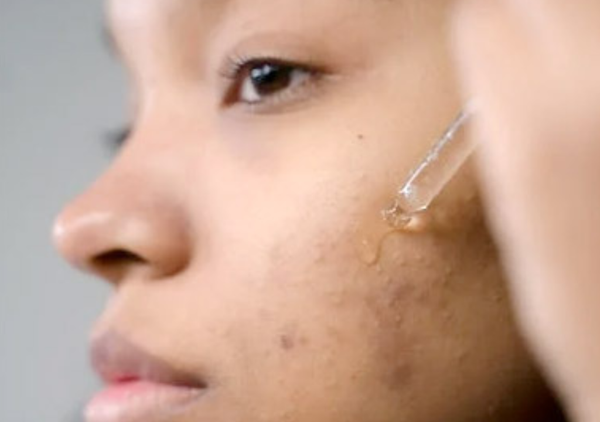
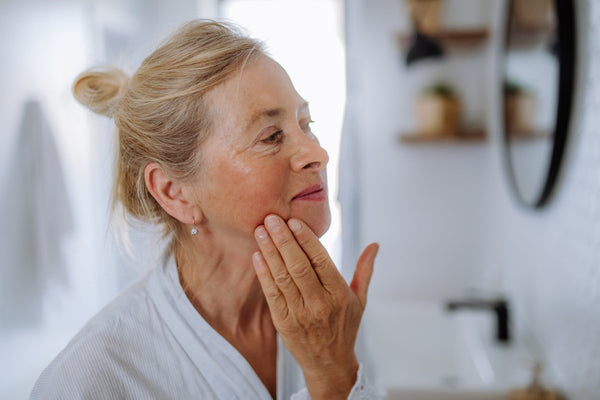
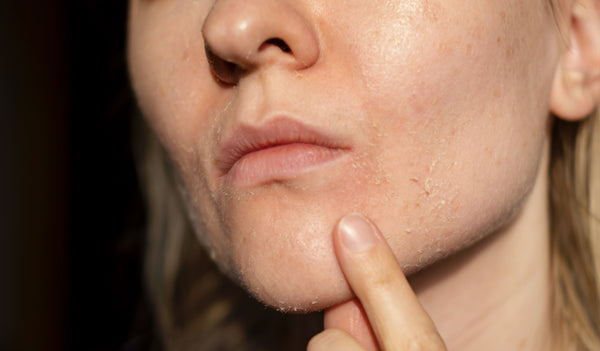
Skin becomes our enemy; turning dry, itchy and sensitive, flooding our thoughts to the point where you can think of nothing else.
But have no fear. Our community is full of women facing the same issues and searching for ways to face them as they adjust to these new changes.
Find out how you can identify menopausal symptoms and discover ways to manage them so that you can work with your skin instead of battling it. You are not alone when it comes to this transitional journey; our skin experts are here to help.
How Do Menopause Symptoms Differ from Perimenopause?
You’ve already experienced the decline in your hormones from perimenopause and had your periods come to a stop, transitioning you fully into menopause. But what are the symptoms and how do you know it’s menopause?
Many symptoms, such as brain fog, sleep disruption, migraines and itchy skin, overlap. It’s about tracking the timings and patterns of these; identifying what is normal for you and seeing this change.
Perimenopause brings fluctuating hormone levels, with oestrogen being high one month and low the next. This can lead to your symptoms feeling more erratic and unpredictable. Whereas, in menopause, your oestrogen levels are consistently low, causing the patterns of your symptoms to be more stable. However, this doesn’t mean they are any easier to manage.
When you have had no periods for 12 consecutive months, you know you are now in menopause. During perimenopause, you may still experience changes to your periods, such as irregular bleeding and variations in cycle length or flow.
Now that you know what you are experiencing is menopause, let’s see why it affects your skin. If you are still in perimenopause instead, our helpful guide on Perimenopause Symptoms can help you support your skin and body on this new journey.
Why Does Menopause Cause Itchy Skin?
Menopause has a big effect on your skin, causing it to become itchy and irritable. Being in the midst of menopause may have you sat questioning why it is you feel like this. Here’s why:
- Low Oestrogen: Oestrogen helps your skin maintain certain factors such as moisture and elasticity. Low levels of oestrogen during menopause causes your skin to become drier and more fragile. This dry skin then feels itchy or sensitive.
- Less Collagen and Elastin: Collagen and elastin are essential to your skin’s structure. Menopause and general ageing, cause these to decline, making your skin more fragile and therefore itchy.
- pH Changes: Due to hormone changes, your skin’s pH tends to increase, making it more alkaline. This change can disrupt the function of enzymes that help maintain your skin barrier, weakening it. This makes the skin more susceptible to pathogens and irritants, leading to sensitive and irritable skin.

Common Triggers That Make Dry Skin Worse
Although the factors that cause dry skin may be out of your control, there are certain lifestyle factors to avoid so your symptoms don't get any worse.
Lifestyle factors, such as dehydration, lack of sleep and a poor diet can make your skin drier. Although your sleep may be impacted by other menopausal symptoms, such as night sweats, it’s important to consider what you are using to fuel your body so that your skin has every opportunity to thrive.
Environmental factors, such as heat exposure, humidity and applying harsh chemicals, can exacerbate dry skin, increasing the need to itch. This means it’s important to carefully consider what products you put on your skin during this sensitive time.
Looking at the skincare market, it can be difficult to know where to start. Which ingredients will be kind to your skin instead of causing further harm? We have the answers.
Ingredients Your Skin Needs More of During Menopause
Reading product labels and their ingredients list can sometimes leave you feeling more confused than you were before. Products can contain ingredients and chemicals you’ve never heard of, let alone know what they’ll do to your skin. So, what ingredients should you look for and what can they help with?
- Hydration: It goes without saying that dry skin needs hydrating. Therefore, focusing on products that contain hyaluronic acid, glycerin, collagen and shea butter will give your skin the hydrating boost it needs to get up and running again.
- Barrier Repair: Due to changes in hormones, your skin’s barrier can become damaged or weakened. Ingredients such as ceramides can help to repair your skin, protecting you from harmful pathogens.
- Soothing Your Skin: Reduce inflammation and the need to itch with ingredients such as panthenol, allantoin and low-strength niacinamide.
Which Products Help to Support Dry Skin During Menopause?
Now we’ve seen which ingredients will help rejuvenate and revive your skin during menopause, which products contain these ingredients and will help combat your dry skin?
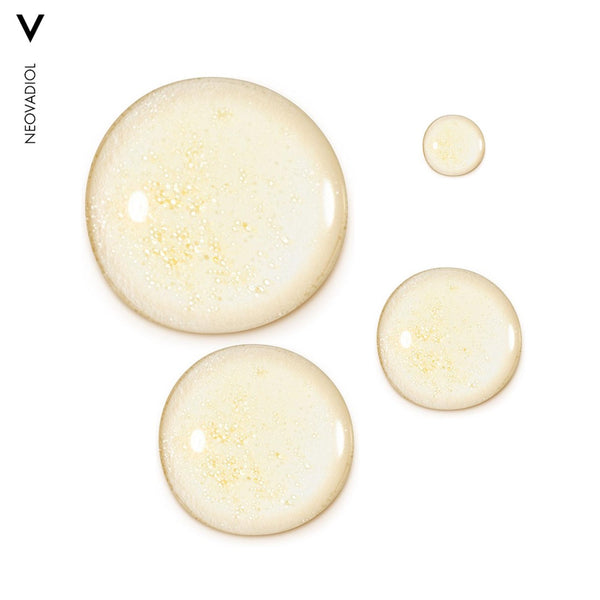
- Vichy Neovadiol Meno 5 Serum For Perimenopausal & Menopausal Skin 30ml: A dermatologist recommended product specifically formulated for perimenopausal and menopausal skin, this serum contains niacinamide, glycerin and glycolic acid to nourish and hydrate dry skin, whilst reducing signs of ageing.
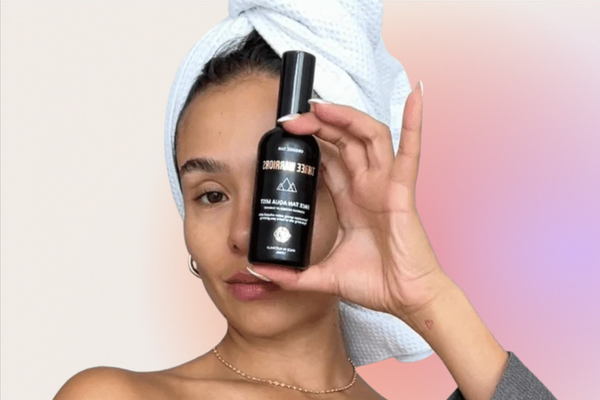
- DMK Wetter Than Water Instant Hydration Mist: Give your skin a quick burst of hydration with this moisturising mist, which is particularly beneficial for ageing skin, fine lines and dehydration. This mist helps to strengthen your skin’s barrier, protecting it from environmental irritants.
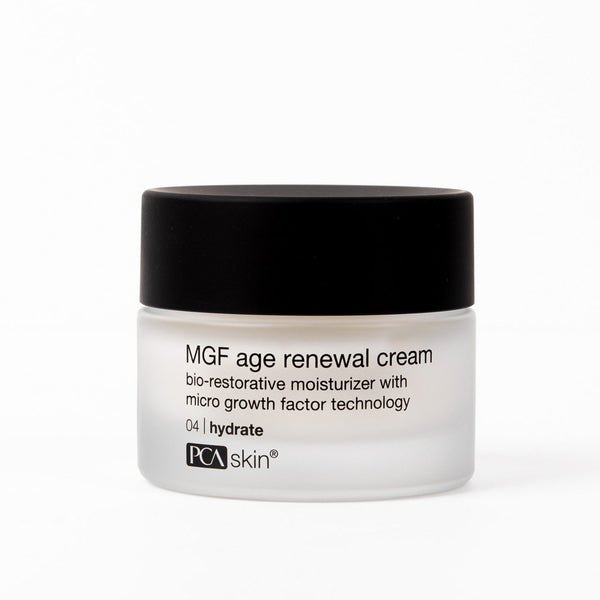
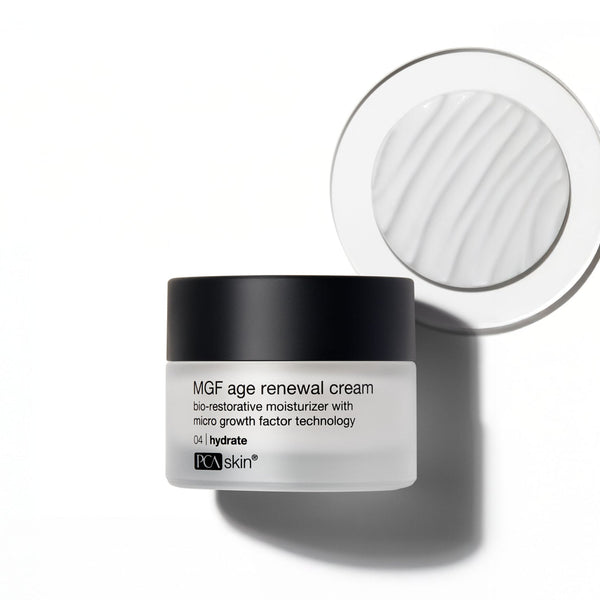
- PCA MGF Age Renewal Cream: A nourishing cream that helps support collagen and elastin for firmer-looking skin as you age. Our customers find this product particularly beneficial for menopausal and postmenopausal skin, with the addition of squalene to help mimic natural skin oils that are lost during menopause.
- Murad Heartleaf Calming Cream: Specifically formulated to be kind to sensitive and irritable skin, this cream will help soothe and reduce signs of inflammation. Gentle enough to use every day, let this calming cream become your new daily moisturiser, reducing signs of sensitivity by 94% in just one week.
- Menopause Hydration & Barrier Support Regime: Looking for a whole new skincare routine? Look no further. Our team of experts at FTF have put together a hydrating skin bundle, that helps restore your skin’s barrier to relieve menopausal dryness. Containing a product for a variety of situations, this bundle includes a cleanser, morning serum, day cream, SPF and a night serum, designed specifically to combat dry and itchy skin during menopause.
Which Supplements Support Your Skin During Menopause?
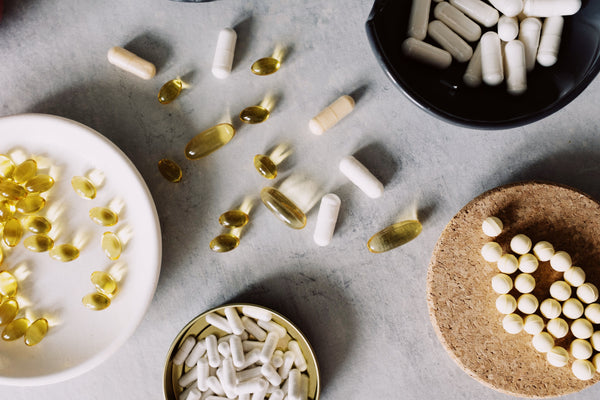
Reducing the irritability of skin doesn’t just stop at skincare. There are a range of menopause supplements that have been carefully curated to give your dry skin a helping hand throughout this difficult period.
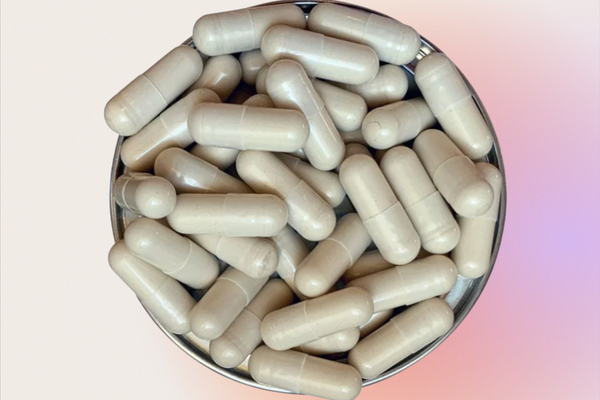
Daily supplements that support your overall health as you age can be beneficial for menopause. Some are specifically designed to ease menopausal symptoms, such as the Naydaya Menopause Capsule. These supplements not only promote healthy skin and hair but also play a part in your long-term health.
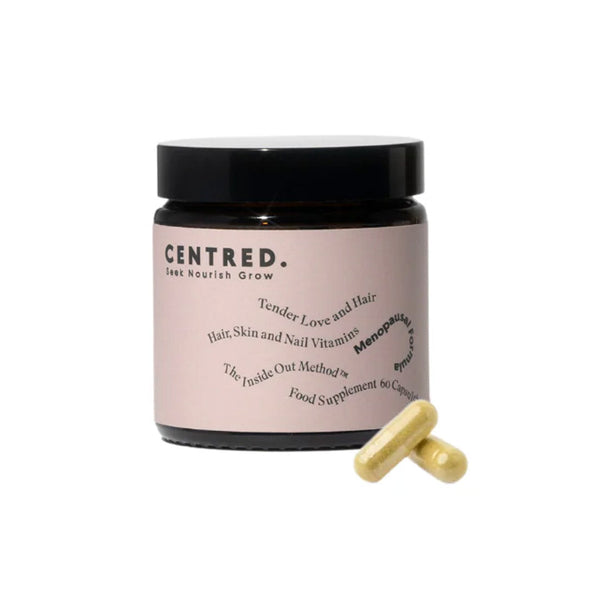
We’ve seen that collagen has an important role when it comes to keeping your skin happy and healthy. Supplements containing collagen, such as the CENTRED Tender Love and Hair Menopause Hair Vitamins help to support your skin’s structure, allowing it to remain firm and strong.
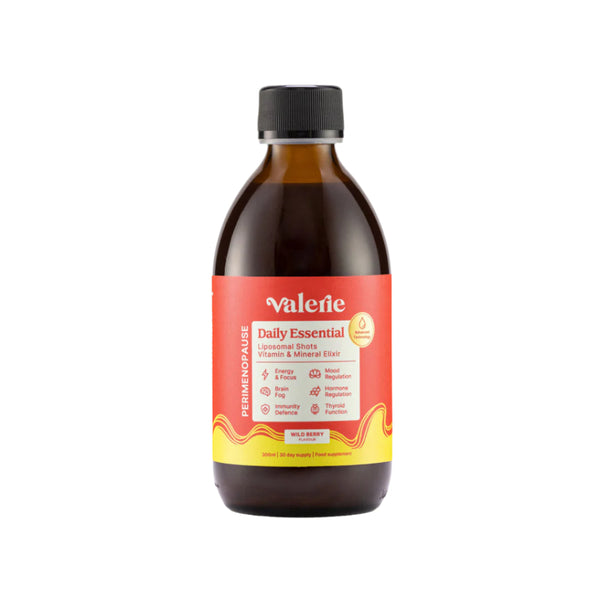
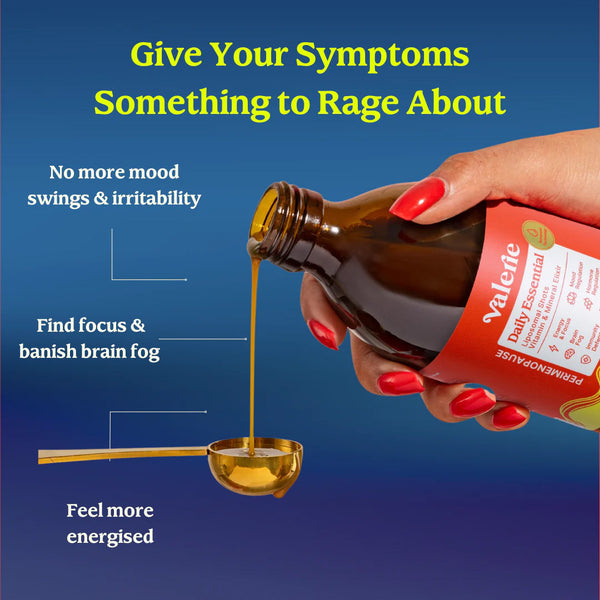
Multivitamin supplements, such as the Valerie Daily Essential Supplement Drink can also help to provide you with the essentials. It’s important to fuel your body during menopause, as maintaining a healthy diet that covers all your important vitamins and minerals can aid in combatting dry skin.

Menopausal Skin Can Still Be Healthy
With all these changes and symptoms, you may feel confused or overwhelmed on how to manage them. Just know, that with the right care and attention, your skin can regain its radiant glow, remaining smooth and healthy as you go through this transition.
Menopausal skin doesn’t necessarily mean unhealthy skin. There are a variety of ways to keep your skin firm and hydrated despite menopause telling you otherwise.
Remember, you are not alone. Every woman goes through this change at some point. They probably felt isolated and confused, unsure of how to manage these new symptoms their body was developing. They may have felt like a different person.
We’re here to help. Check out our Skin & Self-Care Journal with guides for issues that anyone can encounter. Let our expert team support you.
Final Thoughts
Although you may wish menopause to be over, take a moment to slow down and observe the process your body is going through. This transition is an opportunity for reflection and recalibration, where you might not otherwise be able to.
You don’t have to view menopause as a constant battle. You can find your balance and work in harmony to not only survive but thrive. This is the new you, and we love it.
Our skin experts are always here to help. Contact us to learn more about our treatments, or book a virtual consultation for personalised advice tailored to you.
For bespoke guidance on the most suitable products for your needs, speak to our expert team on 0113 282 7744 or email shop@facethefuture.co.uk.
Products for Menopause
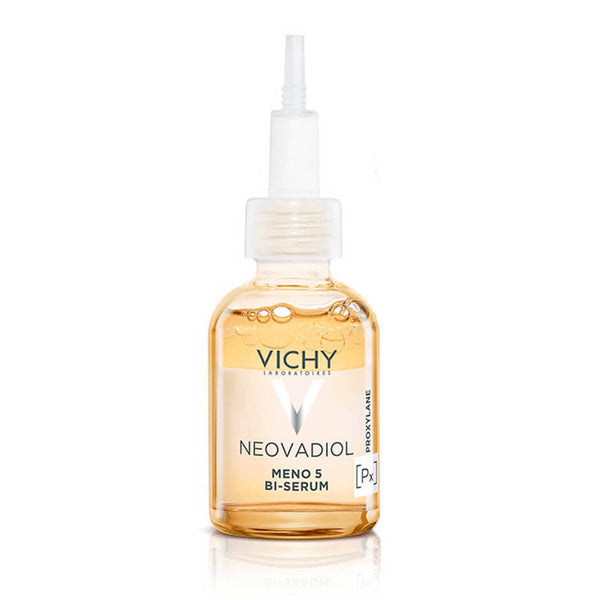
Found this blog useful? Read our recommendations of the top 5 products to use during menopause.