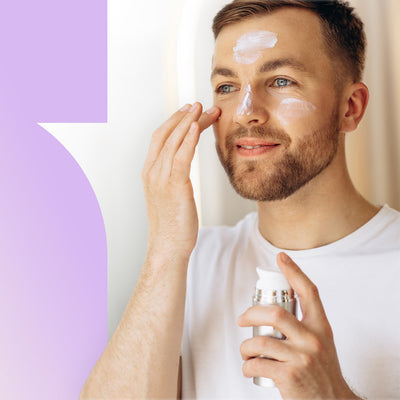
Products for Acne Scarring

Acne Scarring: Products to Smooth, Refine and Restore Skin Confidence

Acne scarring can feel like a frustrating reminder of breakouts long after they’ve healed, but with the right skincare approach, visible improvement can be possible. At Face the Future, we believe in supporting skin at every stage of its journey, combining expert knowledge, proven ingredients and clinically backed products to help restore smoother, more even-looking skin.

This collection has been carefully curated to target the appearance of acne scarring, post-inflammatory hyperpigmentation and uneven texture, whilst supporting your skin barrier and promoting long-term skin health.

Sort by

Filter 247 products

Brand
Product Type
SPF Content
Skin Type / Area
Suitable For
Make Up Type
Key Ingredient
Price
£
£
Availability
Sold out
DCL Clear Skin Anti-Blemish HydratorDCL Detoxifying Clay Mask
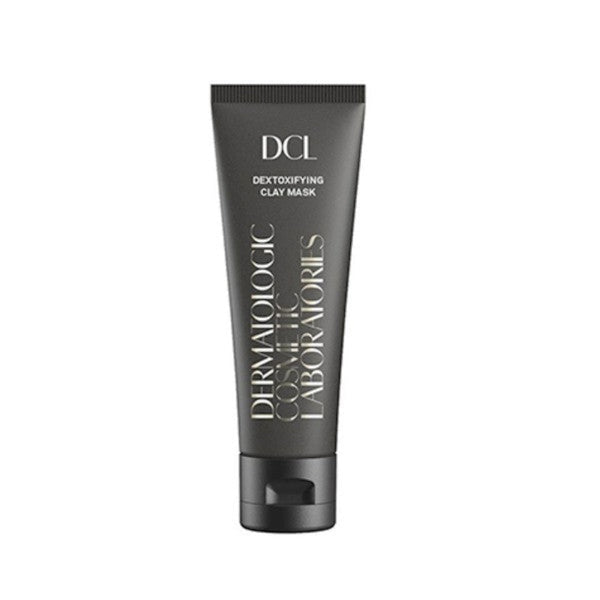
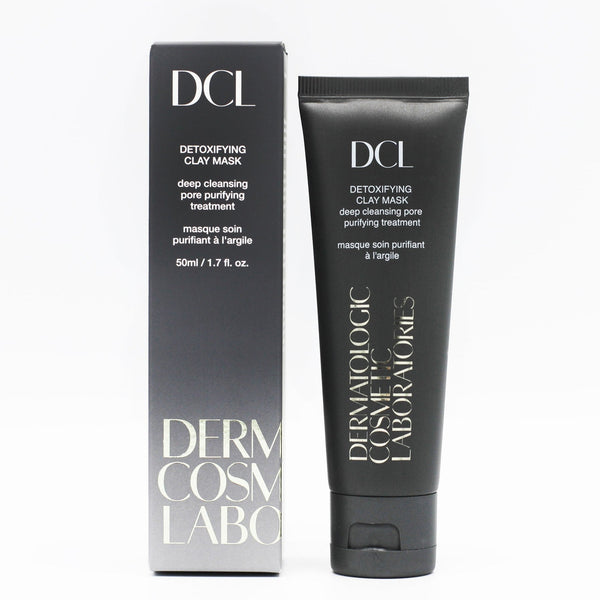
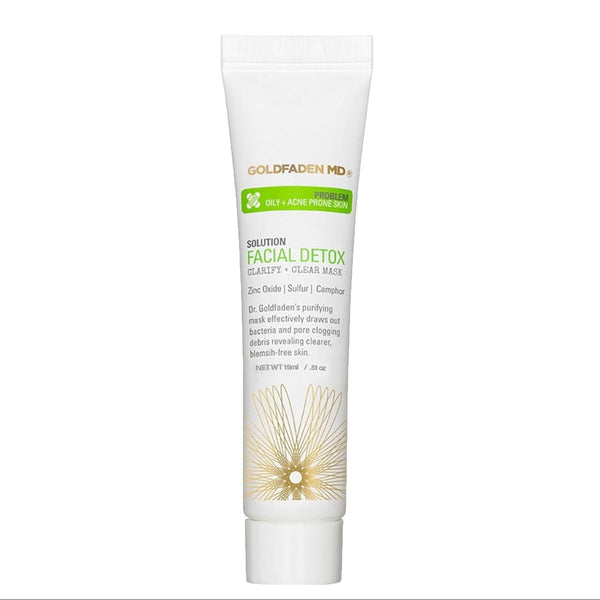
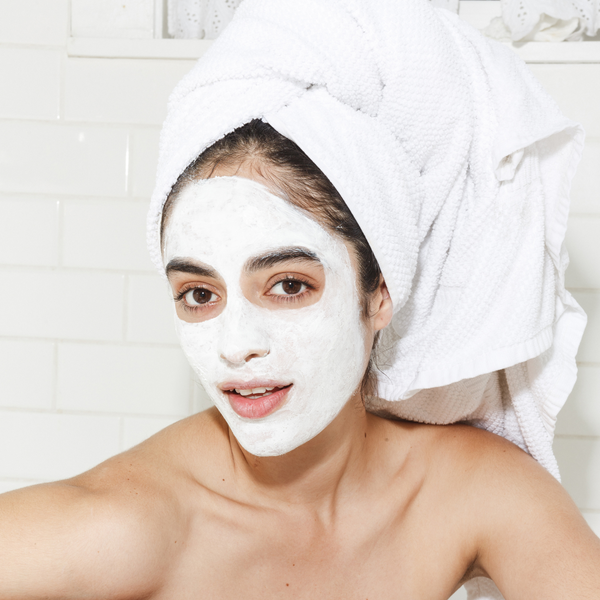
DCL Detoxifying Clay Mask

Using a blend of mineral clays, this mask draws out spot-causing impurities for a smoother, clearer complexion.
£47.00 £50.00 6% offsaving
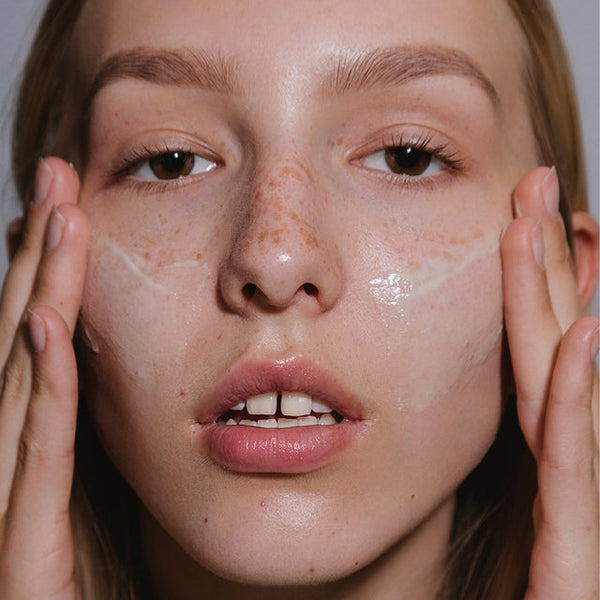
Freebie: Goldfaden MD Facial Detox 15mlFreebie: Goldfaden MD Facial Detox 15ml
FREE Facial Detox 15ml

Facial Detox 15ml, worth £22, when you spend £60 on Goldfaden MD!
shop the offer

Products for Acne Scarring

About Products for Acne Scarring

Discover Smoother-Looking Skin

Acne scarring can affect both skin texture and tone, leaving behind visible marks long after breakouts have cleared. With the right approach, it’s possible to support skin renewal and improve overall clarity. Targeted skincare helps refine uneven areas, reduce the appearance of pigmentation and promote a more balanced complexion.

Find Your Perfect Acne Scarring Solution

From resurfacing acids to collagen-supporting retinoids, effective formulas work to gradually smooth and brighten the skin. Whether you’re focusing on post-acne marks or deeper textural scarring, choosing products suited to your skin type ensures optimal results while maintaining skin health and comfort.

Personalised Advice on Treating Acne Scarring

Building a routine tailored to your skin’s needs can make a visible difference over time. For expert guidance, you can contact us via our contact page, read our latest advice on the blog, or take our online skin test for personalised recommendations.
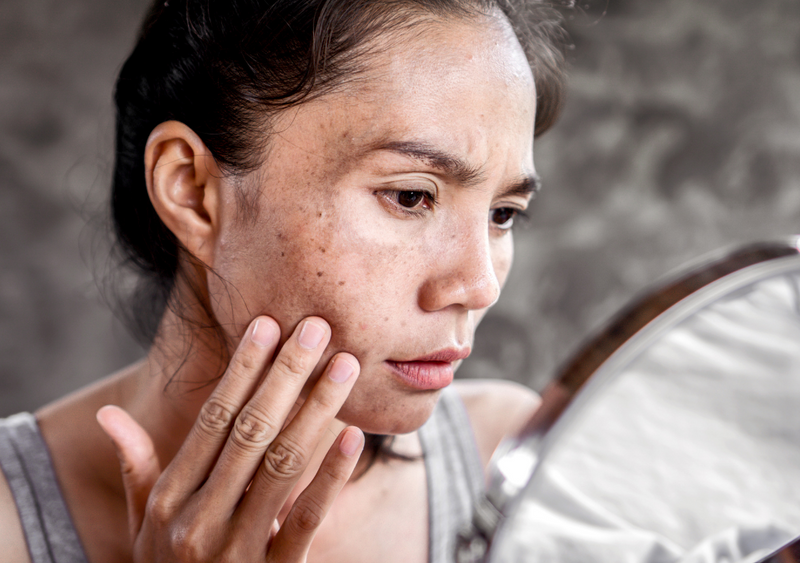
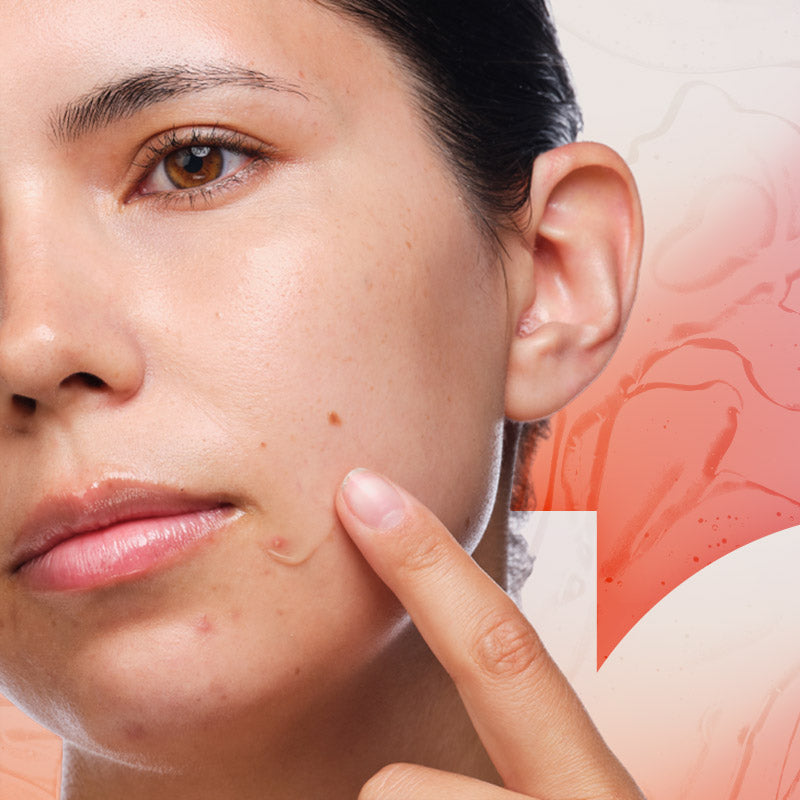
What Causes Acne Scarring?

Acne scars develop when inflammation damages the deeper layers of the skin during a breakout. The body attempts to repair this damage by producing collagen, but if too much or too little collagen is produced, scarring can occur.

Common contributing factors include:

  • Deep or cystic acne
  • Prolonged inflammation
  • Picking or squeezing spots
  • Delayed or ineffective acne treatment
  • Genetics and skin type

Understanding the type of scarring you’re dealing with is key to choosing the right treatments and products for acne.

Types of Acne Scars

Not all acne scars are the same, and different types respond best to different ingredients and approaches.

Atrophic (Indented) Scars

These include ice pick, boxcar and rolling scars. They occur when there is a loss of collagen during healing, leaving deep marks in the skin.

Hypertrophic and Keloid Scars

Raised scars caused by excess collagen production. These most commonly present themselves after chest, back and jawline acne.

Post-Inflammatory Hyperpigmentation (PIH)

Not a true scar, but flat dark marks left behind after acne heals. These are especially common in deeper skin tones.

How to Treat Acne Scarring

Improving the appearance of acne scars takes consistency, patience and the right combination of ingredients. While deeper scars may benefit from in-clinic treatments, we believe targeted skincare can significantly refine texture, fade discolouration and support skin regeneration.

Key Skincare Ingredients for treating Acne Scarring:

  • Retinoids – Encourages cell turnover and collagen production.
  • Vitamin C – The use of vitamin C brightens PIH and supports collagen synthesis.
  • Salicylic Acid – Often used in acne skincare products, salicylic acid is helpful in clearing dirt and debris, and for resurfacing skin cells to help prevent acne developing.
  • Alpha Hydroxy Acids (AHAs) – Smooths uneven texture and improves skin clarity.
  • Niacinamide – Serums with niacinamide strengthen the skin barrier and reduce redness.
  • Growth Factors & Peptides – If you’re looking to support skin repair, boost collagen and reduce fine lines, peptides are a helpful treatment choice.
  • Broad-Spectrum SPF – Essential to prevent scars from darkening and to protect healing skin.

Supporting Acne-Prone Skin Long Term

Acne scarring often goes hand in hand with ongoing breakouts. That’s why many of the products in this collection also help:

  • Prevent future acne
  • Calm inflammation
  • Balance oil production
  • Strengthen the skin barrier

A gentle, consistent routine is key. Over-exfoliating or using harsh products can worsen inflammation and slow the healing process.

If acne scarring is persistent or affecting your confidence, professional guidance can make a real difference. Our team of skin experts can help you build a routine tailored to your skin type, scarring concerns and lifestyle, and advise when in-clinic treatments may be beneficial alongside skincare.

If you’re unsure where to start, our skincare experts are always here to help.

Frequently Asked Questions

CAN ACNE SCARS BE TREATED WITH EFFECTIVE SKINCARE?

Skincare can visibly improve the appearance of acne scars, particularly dark marks, uneven texture and early indented scars. Ingredients such as retinoids, vitamin C and exfoliating acids help support cell turnover and collagen production. Deeper scars may benefit from professional treatments, but consistent skincare can significantly treat and smooth the skin.

HOW LONG DOES IT TAKE TO SEE RESULTS FROM ACNE SCAR TREATMENTS?

Most people begin to see improvements in skin tone and texture within 8-12 weeks of consistent use of products. Results depend on the type of scarring, ingredients used and daily sun protection. Indented scars take longer to improve as collagen renewal is gradual.

WHAT’S THE DIFFERENCE BETWEEN ACNE SCARS AND ACNE MARKS

Acne scars cause changes in skin texture due to collagen damage, such as indented or raised scars.

Acne marks, also known as post-inflammatory hyperpigmentation (PIH), are flat dark or red marks left after a breakout heals and usually fade more easily with targeted skincare and SPF.

IS RETINOL SUITABLE FOR ACNE-PRONE SKIN?

Yes. Retinoids are one of the most effective ingredients for acne scarring and acne-prone skin. When introduced gradually and paired with barrier-supporting products, they can help improve texture, fade marks and prevent future breakouts with minimal irritation.

CAN ACNE SCARS GET DARKER OVER TIME?

Yes, without daily SPF use, acne scars and marks can darken and become more noticeable, particularly PIH. Sun protection is essential when treating acne scarring to protect healing skin and maintain results.

WHEN SHOULD I CONSIDER PROFESSIONAL ACNE SCAR TREATMENTS?

If acne scarring is deep, long-standing or affecting your confidence, in-clinic treatments such as microneedling may be beneficial. Skincare remains essential both before and after professional treatments to support skin repair and enhance results.